
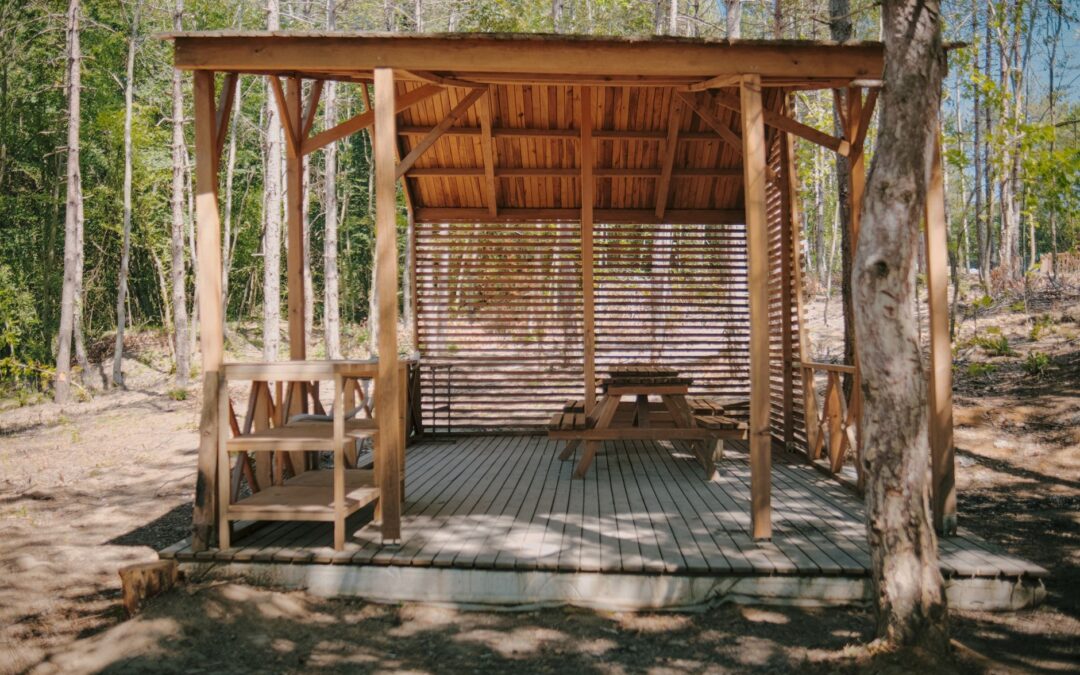
Choosing the right wood deck options for your Greenville, MI home involves understanding how different materials stand up to Michigan's distinct climate, from humid summers to harsh winters. Selecting wisely ensures both beauty and longevity for your outdoor living space.
Quick answer: For homeowners in Greenville, MI, popular wood deck options include pressure-treated lumber for its affordability and rot resistance, Western Red Cedar for natural beauty and insect deterrence, and durable tropical hardwoods like Ipe for exceptional longevity. Each type offers distinct benefits and maintenance needs, performing uniquely against Michigan's freeze-thaw cycles and seasonal weather.
Key Takeaways
- Michigan Climate is Key: Freeze-thaw cycles, heavy snow, and humidity significantly impact wood deck material performance and lifespan.
- Pressure-Treated Wood: Offers the most affordable initial cost and good rot/insect resistance, but requires consistent sealing to prevent warping and cracking.
- Cedar Decking: Provides natural beauty and insect resistance, and performs well in Michigan, but comes at a higher initial cost than pressure-treated lumber.
- Tropical Hardwoods: Ipe, Teak, and Mahogany offer superior durability and luxurious aesthetics, making them the most premium, long-lasting wood option.
- Maintenance is Crucial: All wood decks in Greenville, MI, require regular cleaning, sealing, or staining to protect against weather and maintain appearance.
What Are the Best Wood Options for a Deck in Greenville, MI?
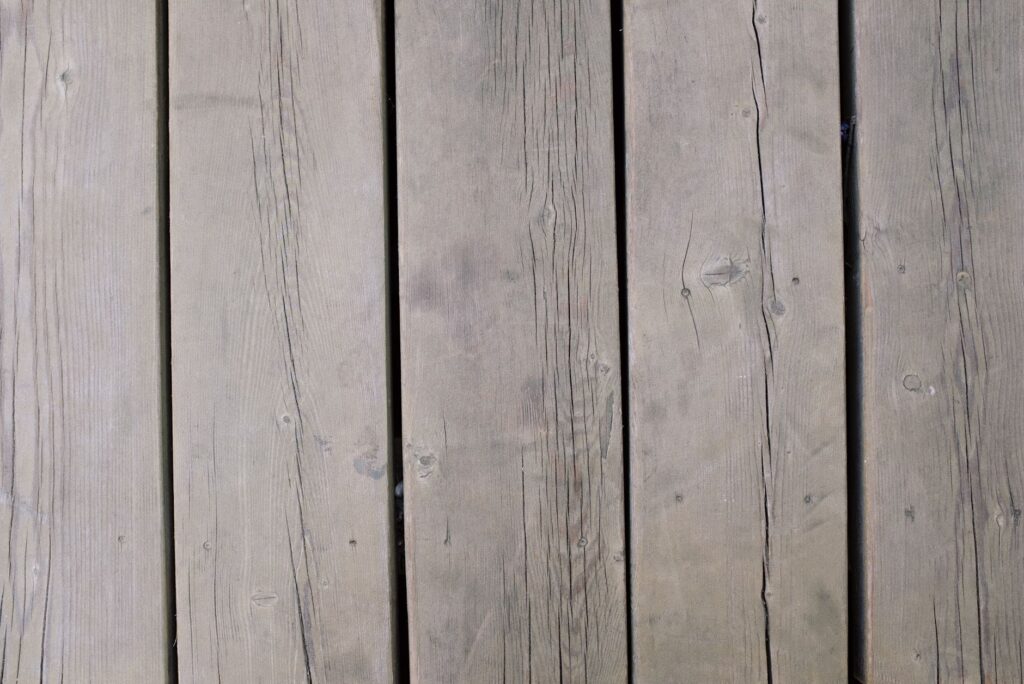
The best wood options for a deck in Greenville, MI, typically balance durability, aesthetics, and cost, considering the local climate's demands. Homeowners commonly choose between pressure-treated lumber, natural cedar, and various tropical hardwoods. Each material offers a unique set of advantages suitable for different preferences and budgets.
Michigan's climate, characterized by significant temperature fluctuations, high humidity, heavy snowfall, and intense sun exposure, requires decking materials that can withstand these stressors. Materials with good natural resistance to moisture, rot, and insects tend to perform best here.
How Do Different Wood Decking Materials Perform in Michigan's Climate?
Michigan's climate, with its pronounced freeze-thaw cycles, humid summers, and heavy winter snows, presents a challenging environment for any outdoor structure. Wood decking materials react differently to these conditions, impacting their lifespan and maintenance requirements.
- Freeze-Thaw Cycles: Repeated freezing and thawing can cause wood to expand and contract, leading to cracking, splitting, and fastener loosening. Denser woods and those properly sealed are more resilient.
- Heavy Snow and Moisture: Prolonged exposure to snow and standing water can accelerate rot and mildew growth, especially if the deck isn't properly drained or maintained.
- Humid Summers: High humidity contributes to moisture absorption, which can lead to warping and fungal growth if not managed with proper ventilation and sealants.
- Intense Sun: UV radiation can cause wood to fade, gray, and dry out, increasing the risk of splintering.
Pressure-Treated Wood Decks: Pros, Cons, and Lifespan in Greenville, MI
Pressure-treated lumber is the most common and often the most affordable choice for decks in Greenville, MI, primarily due to its widespread availability and initial cost-effectiveness. This wood, typically pine, is infused with chemical preservatives to resist rot, fungal decay, and insect infestation.
- Pros:
- Affordability: Generally the lowest initial cost among wood decking options.
- Availability: Widely stocked at local lumberyards like Big L Lumber in Greenville.
- Durability: Chemical treatment makes it highly resistant to rot, fungi, and wood-boring insects.
- Structural Strength: Provides a strong, stable base for deck construction.
- Cons:
- Maintenance: Requires consistent sealing or staining, often annually or biennially, to prevent moisture absorption, warping, cracking, and splintering.
- Appearance: Can have a less refined appearance than natural woods, and its greenish tint may fade or yellow over time.
- Chemicals: Some homeowners have concerns about the chemicals used in the treatment process, though modern treatments are generally considered safe for outdoor use.
- Movement: Prone to warping, twisting, and checking (small cracks) if not properly dried and maintained, especially in Michigan's variable climate.
With proper installation and diligent maintenance, a pressure-treated wood deck in Greenville, MI, can last 15-20 years. Homeowners should consider Kiln Dried After Treatment (KDAT) lumber, which is pre-shrunk and offers enhanced stability, reducing the likelihood of warping and cracking. Green Shield Decking Products, serving Michigan, offers KDAT lumber as a more sustainable and dimensionally stable option.
Cedar and Redwood Decks: Natural Beauty and Performance in West Michigan
For homeowners seeking natural beauty and inherent resistance, cedar and redwood are excellent wood deck options. While redwood is less common in Michigan due to sourcing, Western Red Cedar is a popular choice for decks in Greenville, MI, prized for its distinctive color and aromatic qualities.
- Pros (Cedar/Redwood):
- Natural Beauty: Offers rich, appealing colors and attractive grain patterns that enhance outdoor aesthetics.
- Natural Resistance: Contains natural oils and tannins that provide inherent resistance to decay, rot, and insects, without chemical treatments.
- Comfort: Stays cooler underfoot compared to many other decking materials, making it pleasant during warm Michigan summers.
- Stability: Generally less prone to warping and twisting than untreated pine, offering better dimensional stability.
- Aroma: Cedar emits a pleasant, natural fragrance.
- Cons (Cedar/Redwood):
- Initial Cost: Higher upfront cost than pressure-treated lumber.
- Maintenance: Requires consistent sealing or staining to protect against UV damage, maintain color, and prevent surface weathering. Without maintenance, it will naturally gray.
- Softness: Softer than hardwoods, making it more susceptible to dents and scratches.
- Weathering: Can still warp, crack, or split if not properly maintained and protected from Michigan's harsh elements.
A well-maintained cedar deck in Michigan can last 15-25 years, offering a beautiful and naturally resistant decking solution.
Exotic Hardwood Decking Options for Michigan Homes
Tropical hardwoods like Ipe, Teak, and Mahogany represent the premium tier of wood deck options for Greenville, MI homeowners. These dense, naturally resilient woods offer unparalleled durability and a luxurious aesthetic, making them a significant investment.
- Pros (Tropical Hardwoods):
- Superior Durability: Extremely dense and hard, providing exceptional resistance to rot, insects, scratches, and decay.
- Longevity: With minimal maintenance, tropical hardwoods can last 25-50 years or even longer in Michigan's climate.
- Luxurious Appearance: Features rich, exotic colors and fine grain patterns that create a high-end, sophisticated look.
- Natural Resistance: Naturally resistant to fire, mold, and mildew.
- Low Maintenance (Color Retention): Can be left untreated to weather to a silvery-gray patina without compromising structural integrity. To retain original color, regular oiling is required.
- Cons (Tropical Hardwoods):
- Highest Cost: Significantly more expensive than pressure-treated or cedar lumber.
- Availability: Less commonly stocked in local Michigan lumberyards and may require special ordering.
- Installation: Extremely dense nature can make them difficult to cut and drill, often requiring specialized tools and experienced installers.
- Weight: Very heavy, which can impact structural considerations for the deck frame.
Wood Deck Maintenance in Michigan's Four Seasons
Regardless of the wood type, consistent maintenance is paramount for any deck in Greenville, MI, to withstand the seasonal changes and prolong its life. Michigan's four distinct seasons—from snowy winters to humid summers—demand a proactive approach to deck care.
- Annual Cleaning: In spring, after the snow melts, clean your deck thoroughly. Use a deck cleaner designed for your wood type and a stiff brush or a pressure washer on a low setting to remove dirt, mildew, and grime.
- Sealing/Staining: For pressure-treated and cedar decks, apply a high-quality sealant or stain every 1-2 years. This protects against UV damage, moisture absorption, and helps maintain the wood's color. Choose products specifically formulated for exterior wood and suitable for Michigan's climate. Tropical hardwoods require less frequent oiling if you wish to retain their original color; otherwise, they can be left to naturally gray.
- Inspections: Regularly inspect your deck for loose fasteners, splintering, or signs of rot, especially after harsh weather. Address any issues promptly.
- Snow Removal: While not always necessary, gently clearing heavy snow loads can reduce stress on the deck structure and prevent prolonged moisture contact. Avoid using metal shovels that can scratch the deck surface.
- Ventilation: Ensure good airflow around and under your deck to prevent moisture buildup, which can lead to rot and mildew.
Cost Comparison: Wood vs. Other Decking Materials in Greenville, MI
When considering wood deck options in Greenville, MI, it's helpful to understand their cost in relation to other popular decking materials like composite or PVC. While wood generally offers a lower initial investment, especially pressure-treated lumber, long-term costs can vary due to maintenance.
Here's a general cost comparison:
| Decking Material | Initial Cost (Relative) | Maintenance Needs | Estimated Lifespan |
|---|---|---|---|
| Pressure-Treated Wood | Most Affordable | High (annual/biennial sealing/staining) | 15-20 years |
| Cedar/Redwood | Mid-Range | Moderate (regular sealing/staining) | 15-25 years |
| Tropical Hardwoods (Ipe, Teak) | Highest (Premium) | Low (oiling for color, or none for graying) | 25-50+ years |
| Composite Decking | Higher than PT, comparable to or higher than cedar | Low (occasional cleaning) | 25-30+ years |
| PVC Decking | Highest (Premium) | Very Low (occasional cleaning) | 30-50+ years |
While composite deck materials in Greenville Michigan and PVC offer lower maintenance and potentially longer lifespans, their upfront cost is typically higher than most wood options. For instance, Trex decking Greenville Michigan installers will quote based on the specific composite line, which can often exceed natural wood costs.
Choosing the Right Wood for Your Greenville, MI Deck Project
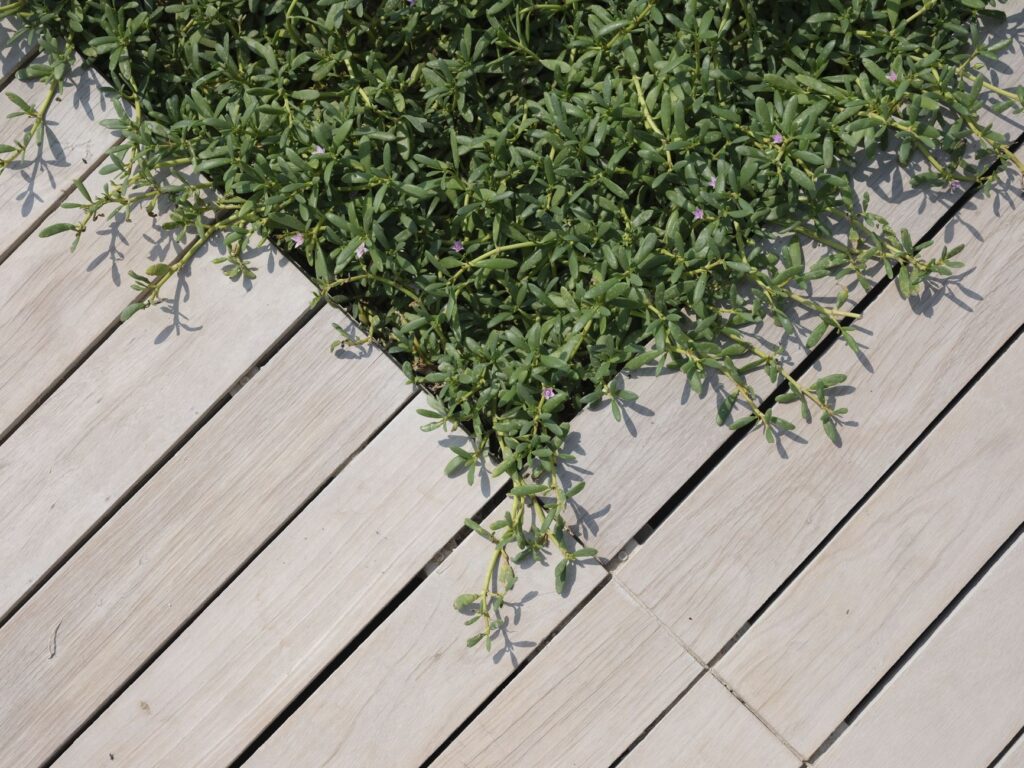
Selecting the ideal wood for your deck in Greenville, MI, involves weighing your budget, aesthetic preferences, desired lifespan, and willingness to commit to maintenance. Consider these factors:
- Budget: If cost is the primary driver, pressure-treated lumber offers the best value upfront. For a moderate budget with natural appeal, cedar is a strong contender. For a premium, long-lasting investment, tropical hardwoods are unmatched.
- Aesthetics: Do you prefer the rustic charm of pressure-treated wood, the rich, warm tones of cedar, or the exotic elegance of Ipe? Consider how the wood will complement your home's exterior.
- Maintenance Commitment: Are you prepared for annual or biennial cleaning and sealing, or do you prefer a material that requires less hands-on care?
- Lifespan: How long do you expect your deck to last? While all decks eventually need replacement, wood types vary significantly in their potential longevity.
- Environmental Impact: Consider sustainably sourced options, such as locally available cedar or KDAT pressure-treated lumber.
For personalized advice, consult with local experts who understand the nuances of deck building in West Michigan, including specific considerations for Fiberon vs Trex decking if you are also considering composite options.
Local Wood Decking Suppliers and Builders in Greenville, MI
When planning your wood deck project in Greenville, MI, connecting with local suppliers and experienced builders is essential. These local businesses can provide material, expertise, and ensure your project adheres to local building codes and permits.
- Material Suppliers: Local lumberyards such as Big L Lumber (with locations in Greenville, Clarksville, Sheridan, and Stanwood) are excellent resources for purchasing various wood decking materials, including pressure-treated lumber and cedar.
- Deck Builders: Companies like J and M Construction Group, Avio Deck Builders, and Mann Construction, all serving the Greenville area, specialize in deck construction. They can guide you through material selection, design, and installation. Green Shield Deck Builders also serves Michigan homeowners, offering expertise in various decking materials, including KDAT lumber.
As a local business operating since 2023, J and M Construction Group specializes in home remodeling and residential building, with Micah bringing 10 years of remodeling and construction experience to every project. We are well-versed in navigating local permits and ensuring your deck is built to last in Michigan's climate.
Frequently Asked Questions
What is the most affordable wood for a deck in Michigan?
The most affordable wood for a deck in Michigan is typically pressure-treated lumber, often pine, due to its widespread availability and lower initial material cost compared to cedar or tropical hardwoods.
Do wood decks last in Michigan's climate?
Yes, wood decks can last very well in Michigan's climate, provided they are constructed with appropriate materials for the region and receive consistent maintenance, including regular cleaning, sealing, or staining to protect against moisture and UV damage.
Is pressure-treated wood safe for decks?
Modern pressure-treated wood is generally considered safe for outdoor residential decks. The chemicals used are designed to resist rot and insects, and are approved for applications where human contact is expected. Always follow manufacturer guidelines for handling and installation.
How often should I seal my wood deck in Greenville, MI?
For most wood decks in Greenville, MI, particularly those made of pressure-treated lumber or cedar, it is recommended to clean and reseal or stain them every 1 to 2 years to protect against Michigan's harsh weather and maintain their appearance.
What are the natural alternatives to pressure-treated lumber for decks?
Natural alternatives to pressure-treated lumber for decks include Western Red Cedar, Redwood (less common in Michigan), and various tropical hardwoods like Ipe, Teak, and Mahogany, all of which offer inherent resistance to rot and insects without chemical treatment.