

Embarking on a kitchen renovation in Greenville, MI, is a significant investment that can enhance your home's functionality and aesthetic appeal. This guide provides essential information to help local homeowners navigate the process, from understanding cost factors and exploring financing options to working effectively with professional remodelers.
Top Tips for a Successful Kitchen Renovation in Greenville, Michigan
- Kitchen renovation costs vary widely based on the project's scope, layout changes, and material choices.
- Budgeting should include a dedicated contingency fund to cover unforeseen structural or mechanical repairs.
- Major structural, plumbing, or electrical changes typically require building permits in Greenville.
- Working with an experienced, licensed contractor is essential for quality and code compliance.
- Careful planning around layout and durable finishes helps maximize long-term value.
Understanding Kitchen Remodel Costs
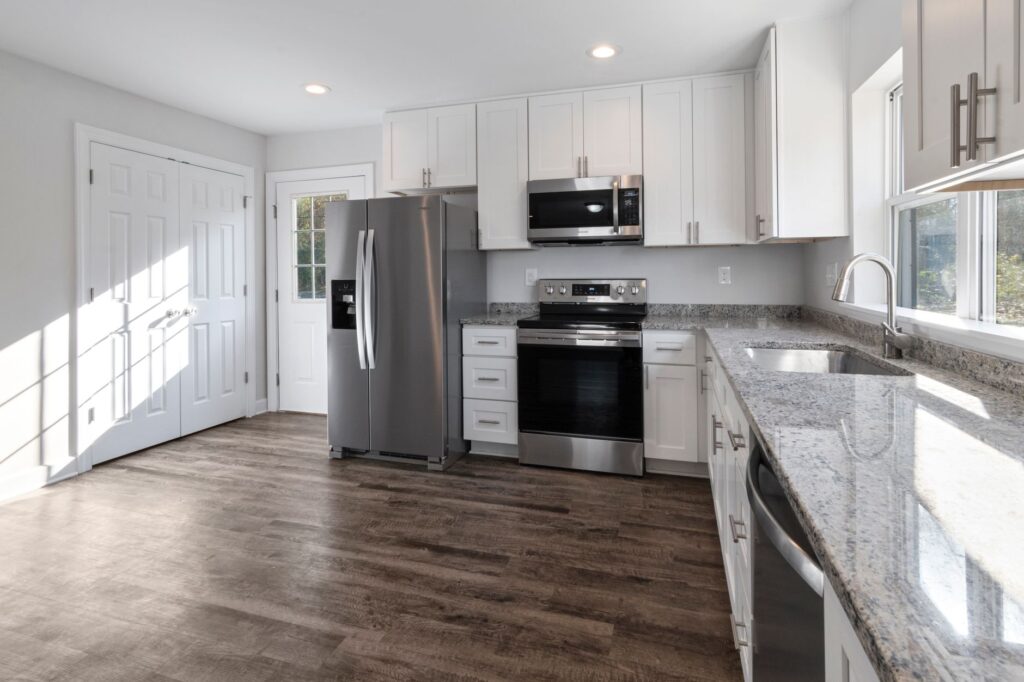
Understanding potential costs is often the first step for homeowners considering a remodel. Overall expenses vary substantially depending on whether the project involves a minor cosmetic refresh, a mid-range overhaul, or an extensive high-end redesign.
The actual investment required for your kitchen remodel will depend on factors such as the room's square footage, the extent of structural modifications, selected material grades, and local trade labor. For accurate pricing tailored to your home, obtaining itemized quotes from local professionals such as J and M Construction Group is recommended.
What Factors Influence Renovation Costs?
Several key elements directly impact the total investment needed for a kitchen renovation project:
- Size and Scope: A larger kitchen or an extensive remodel involving wall removal, layout reconfiguration, or additions requires more materials and labor than surface-level updates.
- Materials Selection: Cabinetry, countertop surfaces, flooring, and fixture choices drive a substantial portion of the budget. Custom cabinetry and natural stone surfaces naturally carry higher costs than stock cabinetry and laminate surfaces.
- Labor Costs: Experienced trade professionals—including carpenters, licensed plumbers, and certified electricians—ensure safe, high-quality work according to local codes.
- Appliances: High-efficiency, commercial-grade, or smart appliances represent a larger investment than basic standard units.
- Permits and Inspections: Projects modifying structural elements, mechanical lines, or electrical circuits require permits and inspections through local building authorities.
- Demolition and Disposal: Removing existing fixtures, flooring, and cabinetry incurs labor and waste-hauling expenses.
How Can You Budget Effectively?
Structured budgeting helps manage expectations and maintain financial control throughout a renovation:
- Define Your Scope Clearly: Distinguish between functional requirements and optional aesthetic upgrades before requesting proposals.
- Obtain Multiple Detailed Quotes: Request itemized estimates from reputable local contractors to compare proposed scopes of work, materials, and labor details.
- Allocate a Contingency Fund: Set aside a dedicated portion of your overall budget to handle hidden issues that may emerge during demolition, such as subfloor damage, outdated wiring, or plumbing concerns.
- Prioritize High-Impact Investments: Focus resources on durable, frequently used elements such as sturdy cabinetry, reliable hardware, and long-lasting countertop materials.
- Consider Phased Renovations: If budget constraints exist, consider staging improvements in planned phases, focusing on critical layout and infrastructure updates first.
- Track Expenses: Maintain an organized log of all signed change orders, materials purchases, and contractor payments throughout the build.
What Are Common Elements of a Kitchen Remodel?
A comprehensive kitchen remodel balances visual design with daily utility by upgrading several primary features:
- Cabinetry: Options range from refacing existing boxes to installing semi-custom or custom cabinets tailored to specific storage needs.
- Countertops: Popular options include quartz, granite, solid surface, butcher block, and laminate, each offering distinct aesthetics and maintenance profiles.
- Flooring: Durable choices such as hardwood, porcelain tile, and luxury vinyl plank handle heavy foot traffic and moisture exposure.
- Appliances: Energy-efficient cooking, refrigeration, and cleaning appliances streamline kitchen workflow.
- Backsplash: Tile, stone, or glass backsplashes protect drywall from moisture while serving as a central visual accent.
- Lighting: A layered plan incorporating ambient ceiling fixtures, focused task lighting under cabinets, and decorative pendant lights improves safety and ambiance.
- Plumbing Fixtures: Upgraded sinks, high-arc faucets, and modern filtration systems enhance routine meal prep and cleaning.
Do You Need Permits for a Kitchen Renovation in Greenville, MI?
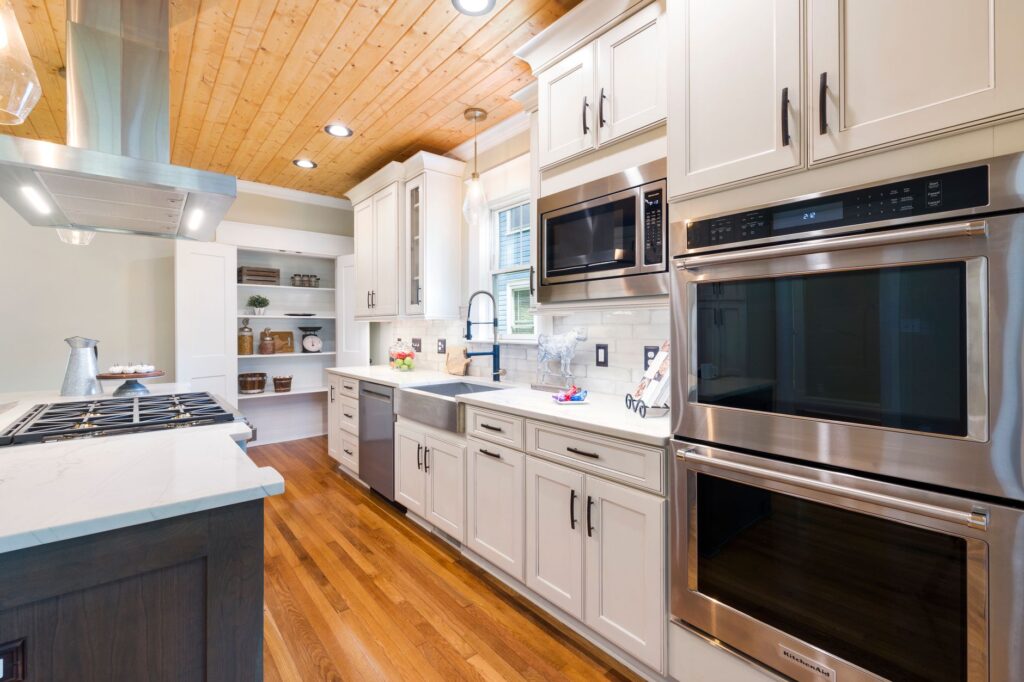
Permits are generally required for kitchen remodel projects that modify the underlying infrastructure of the home. The necessity of a permit depends on the specific scope of work.
Permits are typically necessary for:
- Structural Changes: Removing or altering load-bearing walls, adding exterior doors, or expanding window openings.
- Plumbing Modifications: Relocating supply lines, repositioning drains, or moving fixtures to new locations.
- Electrical Work: Running new circuits, adding dedicated appliance outlets, or updating subpanels.
- HVAC Changes: Rerouting supply vents or installing new exterior range hood exhaust ductwork.
Minor cosmetic updates, such as repainting walls or replacing standard light fixtures without altering wiring, generally do not require building permits. Consulting with the local building department or working with a licensed contractor ensures all work adheres to current building codes.
What is the Typical Timeline for a Kitchen Remodel?
Project schedules vary based on the scale of renovation, material lead times, and required structural alterations:
- Planning and Design: Initial consultations, space planning, material selections, and permit application preparation.
- Material Procurement: Ordering cabinetry, custom countertops, and specialty appliances.
- Demolition: Removing existing fixtures, flooring, and non-structural elements safely.
- Rough-in Work: Completing underlying plumbing, electrical, and mechanical adjustments inside open walls.
- Inspections: Required municipal inspections before insulation and wallboard are closed.
- Installation: Installing cabinetry, countertops, backsplashes, flooring, and primary appliances.
- Finishing Touches: Final trim installation, painting, fixture connections, and punch-list completion.
How to Choose the Right Kitchen Remodeling Contractor
Choosing an experienced remodeling contractor is essential for keeping your project organized and up to standard. Key criteria to evaluate include:
- Local Experience: Contractors familiar with local building codes, inspection workflows, and regional suppliers can navigate approvals efficiently.
- Licensing and Insurance: Confirm that your contractor carries active state licensing, general liability insurance, and workers' compensation coverage.
- Portfolio and References: Ask to review previous kitchen projects and speak with past clients regarding communication, quality, and punctuality.
- Clear Contracts: Ensure agreements include a defined scope of work, specified material allowances, estimated project schedules, and clear payment milestones.
- Comprehensive Capabilities: Working with a team capable of handling design, framing, finish carpentry, and trade coordination simplifies project oversight. J and M Construction Group provides comprehensive home remodeling services across interior and exterior projects.
Frequently Asked Questions
What is the typical return on investment for a kitchen remodel?
Kitchen renovations generally add substantial functional and aesthetic value to a home. Updating worn surfaces, improving the work triangle, and modernizing mechanical components can enhance overall market appeal and daily livability.
What should you expect regarding kitchen downtime during a remodel?
Downtime depends on whether the project is a cosmetic update or a full tear-out. For full remodels, the kitchen may be out of commission for several weeks. Setting up a temporary station with a microwave, compact refrigerator, and coffee maker in another room helps minimize routine disruption.
What are popular kitchen design trends?
Current design trends focus on open layouts, ample natural lighting, and low-maintenance surfaces. Popular features include multi-functional islands, durable quartz surfaces, layered lighting, clean-lined cabinetry, and warm neutral color palettes.
Can you live in the home during a kitchen renovation?
Many homeowners remain in their homes during a kitchen renovation, provided work areas are properly sealed with dust barriers. For projects involving major structural or utility overhauls, some homeowners choose alternative accommodations during the loudest and dustiest phases.
Should you choose cabinet refacing or full cabinet replacement?
Cabinet refacing involves keeping existing cabinet boxes while replacing doors, drawer fronts, and hardware, making it a faster and less intrusive option when the existing layout works well. Cabinet replacement involves removing all existing cabinetry, allowing for completely new layouts, improved ergonomics, and custom storage solutions.
Design Options to Enhance Your Space
Carefully selecting layout and aesthetic elements ensures your new kitchen meets your household's daily needs:
Common layout configurations include L-shaped layouts that leave room for dining tables, U-shaped kitchens that maximize continuous counter space, and open layouts centered around a spacious island for food prep and casual seating. Design styles range from classic traditional and warm transitional to sleek contemporary designs.
Incorporating durable materials—such as solid-core cabinetry, non-porous solid countertops, and water-resistant flooring—helps preserve your kitchen's beauty and utility for years to come.
Exploring Specific Brands, Technologies, and Local Programs for Your Greenville Kitchen
Beyond general categories, diving into specific brands and local resources can further refine your kitchen renovation in Greenville, Michigan. When selecting appliances, consider leading manufacturers like Bosch for sleek, efficient dishwashers, KitchenAid for robust cooking ranges, or GE Profile for integrated smart features. For countertops, explore premium quartz brands such as Silestone or Cambria, known for their durability and wide array of designs, or specific granite varieties available through local stone fabricators in the West Michigan area. Visiting local showrooms, such as those found in Grand Rapids or Lansing, can provide hands-on experience with these materials and finishes.
Integrating advanced smart kitchen technologies can elevate convenience and efficiency. Think about ecosystems like Google Assistant or Amazon Alexa for voice-controlled lighting and appliance management, or specific brand platforms such as Samsung SmartThings or LG ThinQ for seamless device integration. Furthermore, for those prioritizing sustainability, investigate Michigan-specific green building incentives. Programs from utility providers like DTE Energy or Consumers Energy often offer rebates for energy-efficient appliance upgrades or smart home installations, helping to offset costs and reduce your environmental footprint in your Greenville home.
This deeper dive into specific product lines and local support systems ensures your kitchen not only looks fantastic but also performs optimally, leveraging the best available options tailored to your needs and the unique character of your Greenville residence.