
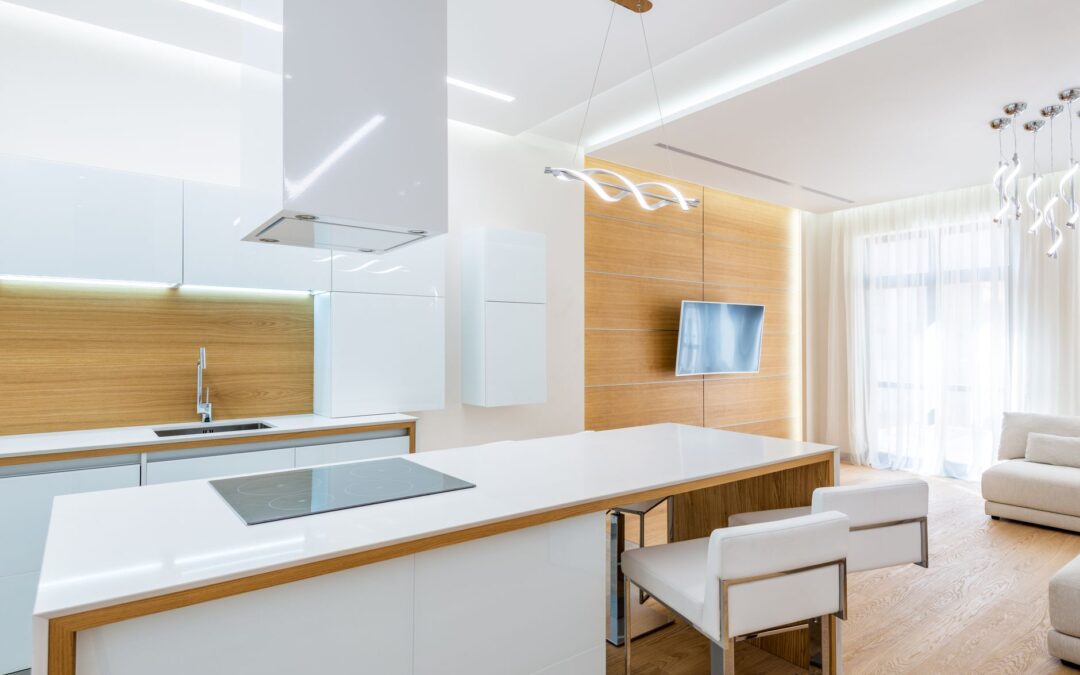
Modern kitchen design seamlessly blends aesthetics with functionality, reflecting both contemporary innovations and local preferences. Homeowners increasingly seek spaces that are efficient, sustainable, and technologically integrated, with a strong focus on ergonomics, custom storage solutions, and sleek flat-panel cabinetry.
Quick answer: Modern kitchen design trends emphasize sustainable materials, earthy color palettes, multi-functional open layouts, smart home technologies, and integrated lighting. Homeowners frequently incorporate hidden appliances, mix materials like timber and stone, and prioritize natural warmth suited to Michigan living.
Essential Modern Kitchen Design Insights for Greenville, Michigan
- Modern kitchen trends focus on sustainability, smart technology, and multi-functional spaces.
- Popular design elements include integrated appliances, mixed material textures, and warm, earthy color schemes.
- Regional climate and home architecture influence choices toward durable materials and layouts that maximize natural light.
- Working with an experienced local contractor helps ensure compliance with area building codes and architectural styles.
Popular Modern Kitchen Design Trends

Homeowners are looking beyond purely minimalist aesthetics, opting for modern kitchen designs that offer warmth, practicality, and personality. The focus has shifted toward creating inviting spaces that serve multiple purposes, from culinary prep to social hubs.
Embracing Bold and Earthy Color Palettes
While classic neutrals remain timeless, modern kitchens are seeing an influx of bolder, sophisticated color choices. This includes warm taupes, soft clays, and various shades of olive green that bring a sense of nature indoors. Dark monochrome features, such as deep charcoal cabinets or matte black hardware, create striking contrasts and contemporary elegance, moving away from stark white palettes to add character and depth.
Multi-Functional Spaces and Open-Concept Layouts
The kitchen's role extends beyond cooking; it is often the heart of the home for dining, working, and gathering. Modern designs prioritize open-concept layouts that improve sightlines and facilitate movement between the kitchen and adjacent living areas. Islands are frequently designed with seating and integrated storage, making them versatile workstations or casual dining spots.
Integrated Appliances and Seamless Design
A hallmark of modern kitchen design is a sleek, uncluttered aesthetic achieved through integrated appliances that blend into cabinetry, often concealed behind custom panels. Refrigerators, dishwashers, and microwaves can be integrated flush with millwork, creating a clean, streamlined look that enhances visual continuity and makes the room feel cohesive.
Mixed Materiality and Statement Pieces
Contemporary kitchens often showcase a rich interplay of textures and materials. Combining elements like timber with stone, concrete with ceramic, and metal accents with matte laminates adds visual depth. This approach allows statement pieces, such as artisanal range hoods or textured backsplashes, to become balanced focal points. Lighter stained woods, such as white oak, are especially favored for natural warmth.
Natural Warmth and Biophilic Design Elements
Connecting interior spaces to nature remains an enduring design focus. Incorporating natural elements like wood, stone, and abundant daylight creates a calm environment. Large windows and glass doors maximize natural light, while indoor plants and natural fiber accents further enhance the serene atmosphere.
Modern Kitchen Remodel Considerations and Cost Factors
The overall investment for a modern kitchen remodel varies significantly based on project scope, material selections, and layout changes. Minor cosmetic updates—such as repainting cabinetry, updating hardware, and replacing countertops—require a different budget level than extensive renovations involving structural changes, custom cabinetry, upgraded utility rough-ins, and high-end appliances.
Key factors that influence project costs include the overall square footage, choice of surface materials (such as engineered quartz versus laminate), semi-custom versus custom cabinetry, and the degree of plumbing and electrical reconfiguration. Consulting with qualified local remodeling professionals provides a realistic assessment tailored to specific architectural and material requirements.
Benefits of Modern Kitchen Upgrades
Incorporating modern design elements offers numerous advantages that extend beyond aesthetics:
- Enhanced Functionality: Modern designs prioritize efficiency. Optimized work zones, specialized storage solutions, and ergonomic layouts streamline everyday cooking and cleaning tasks.
- Improved Aesthetics and Comfort: Contemporary layouts reduce visual clutter. Thoughtful lighting plans and natural materials foster an inviting and comfortable living environment.
- Energy Efficiency: Remodeling presents an opportunity to incorporate energy-efficient appliances, water-saving fixtures, and LED illumination, reducing utility consumption.
- Durability and Longevity: Modern engineered surfaces and quality finishes are designed to withstand heavy daily use while remaining easy to maintain over time.
Sustainable Kitchen Design Options
Homeowners frequently prioritize sustainability in renovation projects, selecting options that balance environmental responsibility with durable design.
Eco-friendly selections include sustainable flooring, recycled surface materials, and sustainably harvested or reclaimed wood for millwork and accents. Low-VOC finishes and paints help support indoor air quality. Additionally, selecting certified energy-efficient appliances and low-flow plumbing fixtures reduces ongoing resource use.
Smart & Functional Kitchen Technology
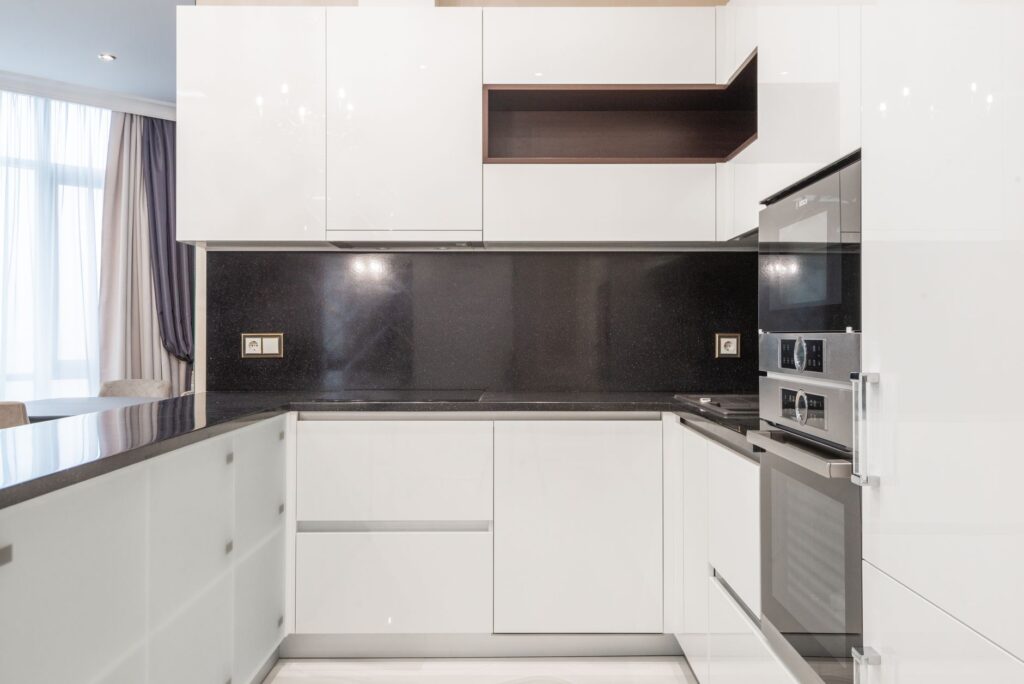
Modern kitchens are engineered for functionality, incorporating smart home technologies that simplify daily routines.
Beneficial additions include app-enabled appliances, hands-free faucets that improve sanitation, and induction cooktops offering precise heat control and rapid efficiency. Layered and automated sensor lighting adjusts brightness based on ambient light or movement. Dedicated charging drawers, discreet pop-up outlets, and integrated audio systems keep workspaces organized while accommodating modern electronic needs.
Local Design and Environmental Factors in Greenville, MI
When planning a kitchen remodel in Greenville, Michigan, local factors play an important role in shaping design choices and material selections:
- Architectural Harmony: Greenville features a mix of historic homes and contemporary builds. Successful modern remodels respect existing architectural proportions, creating cohesive transitions between the kitchen and adjacent living spaces.
- Regional Climate: Michigan's seasonal humidity and temperature shifts call for dimensionally stable, moisture-resistant flooring and countertop materials. Maximizing natural daylight through expansive windows and open sightlines is especially valuable during shorter winter days.
- Regional Aesthetics: Practical designs that celebrate natural wood finishes, earthy tones, and sturdy surfaces complement the local lifestyle and surrounding natural environment.
Choosing a Remodeling Contractor in Greenville
Selecting an experienced contractor is essential for a smooth renovation. When evaluating local professionals:
- Verify state licensing, active general liability insurance, and worker's compensation coverage.
- Review portfolios of completed modern kitchen remodels to evaluate craftsmanship and stylistic alignment.
- Check references and verified client feedback regarding project management, communication, and adherence to schedules.
- Ensure the contractor provides a clear, written agreement outlining project scope, material specifications, and warranty coverage.
Modern Kitchen Design: Principles, Brands & Standards
A successful modern kitchen relies on foundational design principles, dependable components, and established building standards.
Functional design often employs the traditional work triangle or modern zoned planning, which divides the kitchen into dedicated stations for food prep, cooking, storage, and cleanup. When selecting appliances, homeowners commonly choose recognized manufacturers known for performance and integration, such as Bosch, Sub-Zero, LG, or Samsung. Incorporating centralized smart control systems allows coordinated management of lighting and connected appliances, while following established kitchen design guidelines helps ensure safe clearances, proper ventilation, and ergonomic workflows.
Defining Style, Structure, and Lighting Details
Beyond broad trends, individual styling determines the overall feel of the space. Homeowners often draw inspiration from Scandinavian simplicity, industrial modern elements, or mid-century minimalism. Structural layout choices—whether an efficient L-shape, an expansive U-shape, or a streamlined galley configuration—serve as the foundation for daily usability.
Fixture selection and lighting design complete the remodel. Durable sinks and faucets from established manufacturers provide long-term reliability. A balanced lighting plan incorporates under-cabinet task lighting, recessed ambient fixtures, and decorative pendant lights over islands to deliver both practical visibility and inviting ambiance.
Frequently Asked Questions
What is the typical timeline for a modern kitchen remodel?
Kitchen remodel timelines generally range from several weeks to a few months depending on the scope of work, structural modifications, custom fabrication requirements, and material lead times. The process includes planning, demolition, mechanical rough-ins, cabinetry installation, countertop templating and fabrication, and finishing details.
Are smart appliances worth the investment?
Smart appliances provide added convenience, precise control, and energy monitoring. Features such as remote preheating, automated inventory tracking, and diagnostic alerts can be beneficial, though homeowners should evaluate which functions match their daily habits.
What are the most durable countertop materials for modern kitchens?
Engineered quartz, granite, and ultra-compact surfaces are among the most durable countertop options. Quartz offers high stain resistance without requiring routine sealing, while granite and ultra-compact materials provide excellent heat and scratch resistance.
Can modern design principles work in smaller kitchens?
Yes. Modern design principles such as clean lines, integrated appliances, streamlined flat-panel cabinetry, and efficient storage solutions are particularly effective in smaller footprints. Strategic lighting and light-reflective surfaces can also help compact spaces feel more open.
How should I begin planning a kitchen remodel?
Start by identifying your functional requirements, desired layout improvements, and overall aesthetic preferences. Establishing a realistic budget framework and consulting with licensed local remodeling specialists will help refine the design, evaluate structural feasibility, and develop an actionable project plan.
Elevating Modern Kitchens: Beyond Aesthetics to Advanced Functionality
For Greenville, Michigan homeowners, a truly modern kitchen extends beyond visual appeal to incorporate cutting-edge functionality. This includes specialized storage systems like full-extension pull-out pantries for easy access, custom drawer organizers for cutlery and spices, and innovative corner cabinets that maximize every inch of space, all crucial for maintaining a clean, uncluttered aesthetic. Advanced kitchen ventilation solutions are also key; beyond traditional range hoods, options like sleek downdraft systems or designer hoods become striking architectural focal points, ensuring optimal air quality without compromising style.
The selection of premium countertop materials and brands adds significant value. While quartz and granite are excellent, discerning homeowners might explore specific engineered quartz brands such as Caesarstone or Silestone, luxurious marble, durable concrete, or elegant stainless steel, each offering a distinct character. Smart kitchen lighting systems are transforming ambiance and utility; integrated LED systems with tunable white technology allow homeowners to adjust color temperature, while brands like Philips Hue offer seamless control and energy efficiency. Innovative kitchen island designs also push boundaries, featuring dramatic waterfall edges, integrated cooktops, or multi-level surfaces that enhance both utility and social interaction, making the island a true centerpiece in the modern Greenville home.