
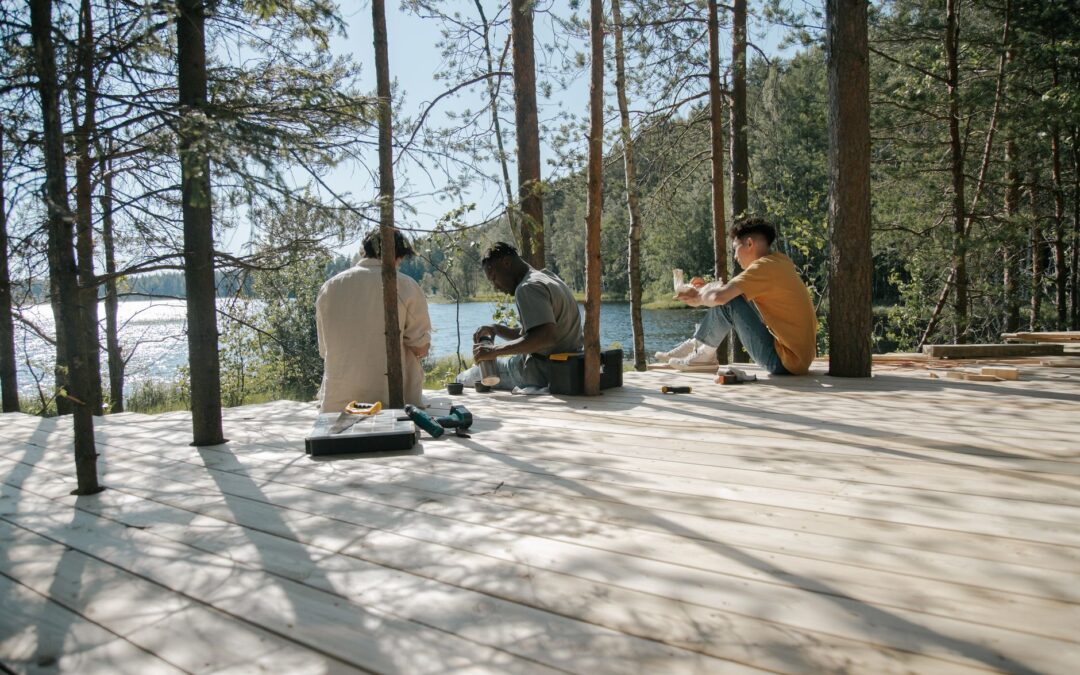
Planning a new deck for your home in Greenville, Michigan, involves many decisions, from design and materials to selecting the right contractor. A critical factor is timing, especially given Michigan's distinct climate. Understanding the best time to build a deck in Michigan can significantly impact the project's efficiency, cost, and overall success, particularly concerning how freeze-thaw cycles and frost line depth affect deck pier foundations and material acclimation. The optimal time to build a deck in Michigan generally spans from late spring through early fall. This period offers favorable weather conditions, balancing moderate temperatures for construction with sufficient daylight hours and reduced risk of precipitation extremes, allowing for efficient project completion and proper material setting.
Key Takeaways
- Late spring/early summer is often ideal due to mild weather, thawed ground, and potentially more flexible contractor schedules before peak demand.
- Summer offers warm, dry weather and long daylight but faces peak contractor demand, potentially higher costs, and extreme heat challenges.
- Early fall provides moderate temperatures and increased contractor availability, though with shorter daylight and a risk of early cold weather or snow.
- Winter construction is possible with experienced contractors, offering availability and potential cost savings, but faces harsh weather, concrete curing issues, and reduced daylight.
- Comprehensive planning several months in advance is crucial for a successful project, regardless of the chosen season, to secure design, permits, and contractors.
What is the Best Time of Year to Build a Deck in Michigan?
The best time of year to build a deck in Michigan is typically late spring, early summer, or early fall. These seasons provide a balance of favorable weather conditions, which are crucial for construction quality and crew efficiency. Mild temperatures, consistent with Michigan's seasonal patterns, contribute to optimal conditions for pouring concrete footings, framing, and finishing work. The reduced likelihood of extreme heat, heavy rain, or freezing temperatures during these periods minimizes potential delays and ensures materials set correctly.
While summer offers the longest daylight hours and generally dry conditions, it is also the peak season for construction, leading to higher demand for skilled deck builders in Greenville, MI, and potentially longer lead times. Planning ahead and securing a contractor early, regardless of the season, can help mitigate these challenges.
Building a Deck in Michigan: Seasonal Pros and Cons
Each season in Michigan presents unique opportunities and challenges for deck construction. Understanding these can help homeowners make an informed decision based on their priorities, budget, and desired timeline.
Building a Deck in Michigan During Spring
Spring, specifically late spring, is often considered an excellent time for deck construction in Michigan. The ground has typically thawed, making excavation for footings straightforward, and temperatures are generally mild, which is comfortable for construction crews. This timing allows for project completion before the peak summer heat and provides a new outdoor living space ready for enjoyment as soon as warm weather arrives.
- Advantages
- Mild Weather Temperatures are comfortable for outdoor work, reducing heat-related fatigue for crews.
- Thawed Ground Easier excavation for footings and posts, preventing delays from frozen soil.
- Earlier Enjoyment Your deck can be ready for use throughout the summer months.
- Pre-Peak Season If booked early, contractors may have more flexible schedules before summer demand peaks.
- Disadvantages
- Rainfall Spring in Michigan can be wet, with frequent rain showers potentially causing delays and muddy worksites.
- Ground Conditions While thawed, the ground can be soft and muddy, impacting site access and cleanliness.
- Scheduling As a popular time, contractors' schedules can fill up quickly, necessitating early booking.
Building a Deck in Michigan During Summer
Summer offers the most extended periods of warm, dry weather and abundant daylight, making it a popular choice for deck construction. These conditions are ideal for outdoor work, allowing for consistent progress and efficient project completion. However, the high demand for construction services during this season can lead to increased contractor lead times and potentially higher material costs.
- Advantages
- Warm, Dry Weather Consistent good weather minimizes rain delays and allows for optimal concrete curing and material setting.
- Long Daylight Hours Extended workdays can accelerate project timelines.
- Immediate Use A summer-built deck is immediately available for enjoyment, perfect for entertaining.
- Disadvantages
- Peak Contractor Demand Reputable deck builders in Greenville, MI, often have full schedules, requiring bookings months in advance.
- Higher Costs Increased demand can sometimes lead to higher labor and material costs.
- Heat Extreme summer heat can be challenging for crews and may require adjustments to work schedules.
Building a Deck in Michigan During Fall
Building a deck in early fall can be an excellent alternative to spring or summer. The temperatures are typically cooler and more comfortable than summer, with less humidity, making for pleasant working conditions. As the construction season winds down, contractors might have more flexible schedules and possibly offer more competitive rates. However, the shortening daylight hours and increasing risk of colder weather or early snow can introduce new challenges.
- Advantages
- Moderate Temperatures Comfortable working conditions with less humidity than summer.
- Contractor Availability As summer projects finish, some contractors may have more open slots.
- Less Landscape Disruption Cooler weather can be less stressful on existing landscaping.
- Material Benefits Certain wood treatments or stains may cure better in moderate, less humid conditions.
- Disadvantages
- Shorter Daylight Hours Can slow down progress compared to summer builds.
- Risk of Early Cold Freezing temperatures or early snowfall can halt concrete work and impact material setting.
- Leaf Drop Falling leaves can create extra cleanup for the construction site.
Building a Deck in Michigan During Winter
Winter is generally the least popular time for deck construction in Michigan due to the harsh weather conditions. However, it can present some unique benefits, particularly regarding contractor availability and potential cost savings. Projects undertaken in winter often require more careful planning and specialized techniques to manage the cold, snow, and ice, which can extend the construction timeline.
- Advantages
- Contractor Availability Off-season construction typically means more immediate availability from deck builders.
- Potential Cost Savings Some contractors may offer reduced rates to keep crews busy during slower months.
- Minimal Landscape Disruption If the ground is frozen, it can minimize damage to lawns and landscaping during material transport.
- Quicker Permitting Local permitting offices may have faster turnaround times during the off-season.
- Disadvantages
- Harsh Weather Snow, ice, and freezing temperatures significantly prolong construction, affecting crew comfort and safety.
- Material Handling Working with materials like wood in extreme cold can be challenging; composite decking installations may also carry manufacturer temperature guidelines.
- Concrete Curing Issues Footings and concrete work require special precautions, such as heating and insulation, to cure properly in cold weather.
- Reduced Daylight Very short days limit productive working hours.
- Access Challenges Snow accumulation can make site access difficult.
Planning Your Deck Project: Greenville, Michigan Timeline
Regardless of the season you choose, comprehensive planning is a critical factor in a successful deck building project in Greenville, MI. The optimal timeframe involves both preparation and seasonal timing. Beginning the planning process several months in advance allows time for design, permitting, material selection, and contractor scheduling.
For custom deck designs, the design phase itself can take several weeks. Permitting processes with local authorities also require time for submission and review. Contacting deck builders in Greenville, MI, early in your planning helps secure a contractor and allows materials to be ordered in advance to avoid potential supply delays.
Material Considerations for Michigan Deck Construction
The materials chosen for a deck can also influence the optimal building time. While natural wood decks remain popular, composite decking offers durability and low maintenance, making it a common choice for many homeowners. Composite materials are generally stable across temperature fluctuations, though extreme cold can still affect installation steps. Discussing material choices with a builder will help align the project schedule with the appropriate seasonal conditions.
Beyond New Builds: Deck Repair and Maintenance in Michigan
While new deck construction has distinct seasonal considerations, deck repair services can often be more flexible. Minor repairs, such as replacing damaged boards or railings, can typically be performed outside peak building months, provided weather conditions are manageable. However, significant structural repairs or complete resurfacing projects benefit from moderate weather windows to ensure proper material adhesion and curing.
Enhancing Your Outdoor Living Space: Screen Rooms and More
For outdoor additions beyond a traditional open deck, such as a screen room, projects involve similar seasonal planning. Enclosed structures benefit from stable, dry weather during framing and finishing stages. Coordinating these larger outdoor living projects with optimal building seasons helps ensure an efficient construction process.
Frequently Asked Questions
Do I need a permit to build a deck in Michigan?
In most municipalities across Michigan, including Greenville, a building permit is required for deck construction to ensure compliance with local building codes and safety regulations. A deck builder can help guide you through the local permitting process.
How long does it take to build a deck?
The duration of deck construction varies based on size, complexity, materials, and weather. A basic deck might take a few days, while larger multi-level custom decks can take several weeks, not including initial design and permitting phases.
What materials are best for a deck in Michigan?
Common decking materials include pressure-treated lumber, cedar, redwood, and composite decking. Pressure-treated wood is widely used and economical, while cedar and redwood offer natural aesthetics. Composite decking provides high durability and low maintenance throughout Michigan's seasonal changes.
Can I build a deck in cold weather?
Building a deck in cold weather is possible with experienced contractors, though special precautions are required for concrete footings and material handling. Projects often take longer due to weather conditions and shorter daylight hours.
When should I contact a deck builder in Greenville, MI?
It is generally best to reach out to deck builders several months before your target start date to accommodate design planning, estimates, permitting, and contractor scheduling.
What is the average lifespan of a deck in Michigan?
A deck's lifespan depends on materials, construction quality, and regular maintenance. Well-maintained pressure-treated wood decks generally last 15 to 20 years, cedar and redwood decks often last 20 to 25 years, and composite decking can last 25 to 30 years or more.
Michigan Deck Design Trends & Innovations
Deck design options extend beyond traditional wood platforms. Homeowners in Greenville, Michigan, frequently consider composite decking products that offer long-term durability and lower maintenance requirements against the state's climate without regular staining or sealing.
Modern deck layouts can incorporate multi-level designs for distinct outdoor zones, integrated lighting for nighttime visibility and safety, or dedicated outdoor cooking areas. Following applicable building codes and working with qualified construction professionals ensures structural safety and long-term durability.
Elevating Your Deck: Key Features and Code Compliance
Features such as pergolas, privacy screens, and built-in seating can enhance functionality and comfort. Lighting solutions—including post cap lights, stair riser lights, and accent fixtures—improve usability and safety after sunset.
Adhering to local building codes is essential for any deck project, including meeting required frost line depths for footings to prevent frost heave and utilizing proper ledger board attachment methods. Hidden fastener systems and routine seasonal maintenance also contribute to the long-term appearance and performance of the structure.