
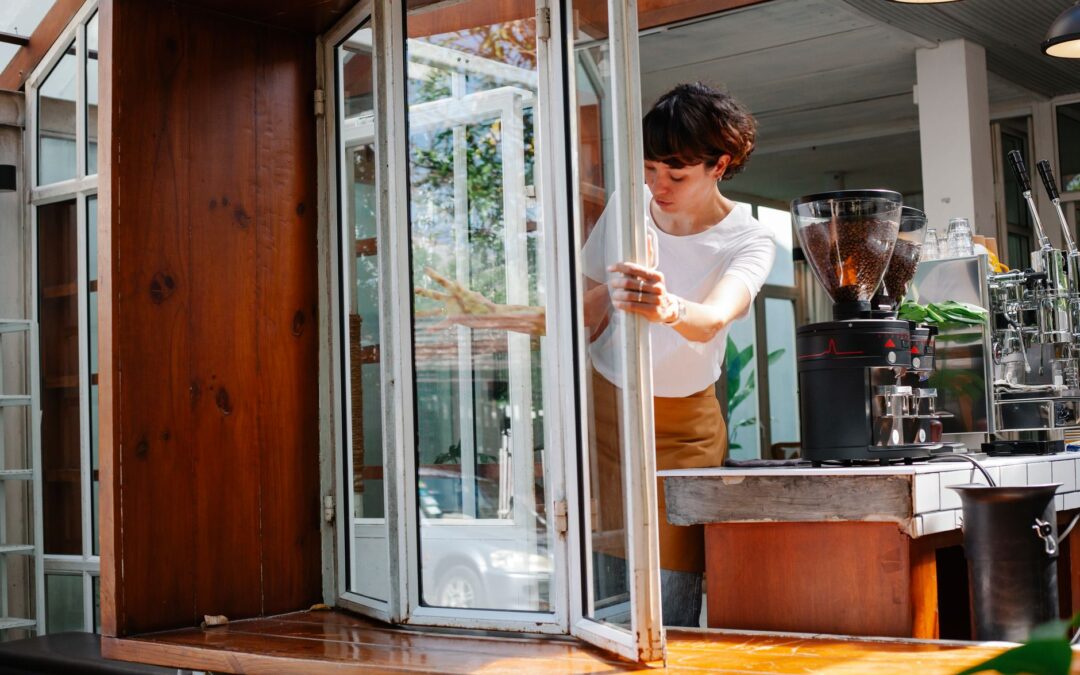
Upgrading to modern, high-performance windows offers significant improvements in energy efficiency, home comfort, and curb appeal. Quality replacements can reduce heating and cooling losses, eliminate drafts, and increase overall property value, making them a practical investment for Michigan's varied climate.
Key Benefits of Window Replacement
- Modern window replacement boosts energy efficiency, helping manage heating and cooling costs across changing seasons.
- Upgraded windows enhance curb appeal, increase property value, and improve indoor comfort by reducing drafts.
- Various window styles (such as double-hung or casement) and materials (such as vinyl or fiberglass) offer distinct advantages for aesthetics and performance.
- Working with an experienced local contractor helps ensure proper installation and adherence to regional building codes.
Benefits of Window Replacement for Local Homes
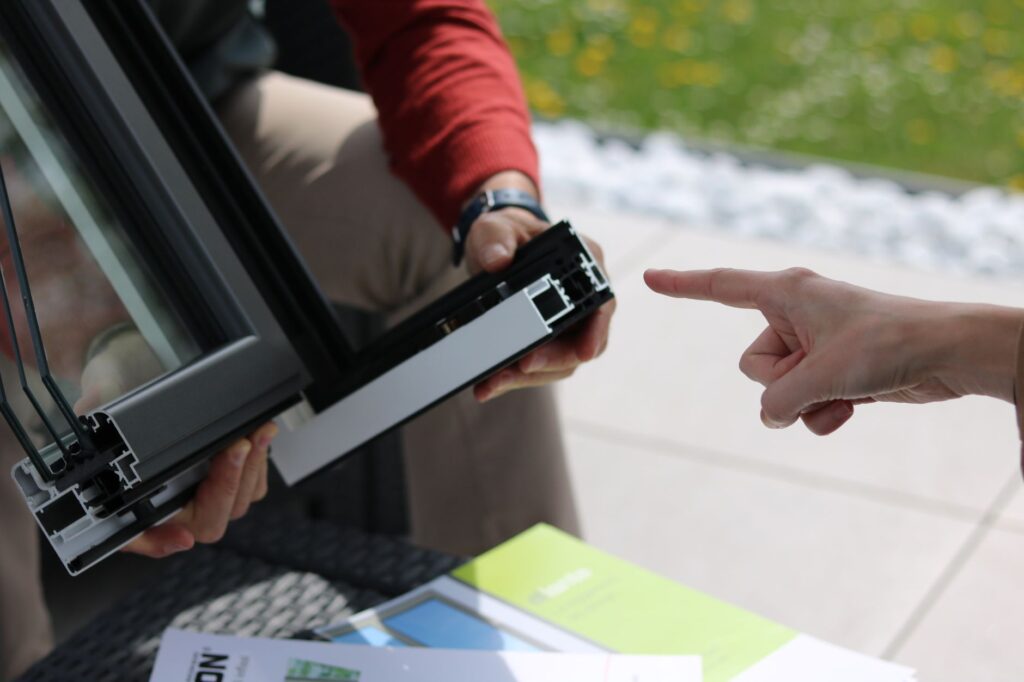
Replacing old or inefficient windows provides practical advantages ranging from lower utility costs to enhanced indoor comfort and increased property value. These benefits address common challenges faced by homeowners dealing with seasonal weather fluctuations.
Improved Energy Efficiency and Reduced Utility Costs
One of the most compelling reasons for window replacement is the improvement in thermal performance. Older windows, particularly single-pane units, often allow conditioned air to escape while letting outdoor temperatures penetrate the home. Modern windows featuring double or triple-pane glass, low-emissivity (Low-E) coatings, and insulating gas fills create an effective thermal barrier.
This enhanced insulation reduces the workload on heating and cooling systems, helping lower energy consumption throughout the year.
Enhanced Home Comfort and Indoor Environment
Drafts and inconsistent indoor temperatures are common issues with aging windows. New windows utilize advanced weatherstripping and tight seals to eliminate drafts, supporting a more stable and comfortable indoor environment during both hot summers and freezing winters.
Beyond temperature regulation, modern insulated glass units help dampen outdoor noise and filter out ultraviolet rays, protecting interior furnishings and flooring from sun damage.
Increased Curb Appeal and Property Value
Windows play a central role in a home's architectural appearance. Replacing worn, warped, or mismatched units with new styles refreshes the exterior aesthetic. Upgraded windows are widely recognized as a valuable improvement that enhances market appeal and adds long-term value to a residence.
Reduced Maintenance and Improved Functionality
Older wood frames often demand frequent scraping, painting, and caulking to prevent moisture damage and decay. Contemporary materials like vinyl and fiberglass provide high durability with minimal maintenance, requiring little more than routine cleaning.
Modern replacement units also feature smooth operating hardware and secure multi-point locking systems, ensuring ease of use and dependable security.
Choosing Window Styles & Materials
Selecting the right window style and frame material ensures the best balance of visual appeal, energy performance, and maintenance requirements.
Popular Window Styles
- Double-Hung Windows: A versatile and classic design where both top and bottom sashes open, providing effective ventilation and easy tilt-in cleaning.
- Casement Windows: Hinged at the side and operated by a crank, these units swing outward to catch breezes and create a tight seal when latched.
- Picture Windows: Stationary, non-opening units engineered to maximize natural light and outdoor views while delivering excellent thermal efficiency.
- Slider Windows: Operating along horizontal tracks, sliders are well-suited for wide openings and spaces where outward-opening sashes are impractical.
- Bay and Bow Windows: Extending outward from the exterior wall, these configurations add interior space, broaden sightlines, and create visual interest.
Common Window Materials
| Material Type | Key Characteristics | Pros for Michigan Homes | Cons |
|---|---|---|---|
| Vinyl | Durable, low maintenance, solid insulation | Cost-effective, resists rot and moisture, reliable thermal performance | Limited color selection, cannot be easily painted |
| Wood | Classic aesthetic, natural insulator | Timeless appearance, excellent insulating properties, ideal for historic architecture | Requires periodic maintenance (painting or sealing), susceptible to moisture damage if neglected |
| Fiberglass | High strength, dimensional stability, paintable | Exceptional durability, resists expanding and contracting during freeze-thaw cycles | Higher initial cost than vinyl |
| Aluminum | Strong, slim profile, modern appearance | Durable frame structure, accommodates large glass areas | High thermal conductivity; requires thermal breaks to prevent heat loss in cold climates |
Considering Climate and Project Logistics
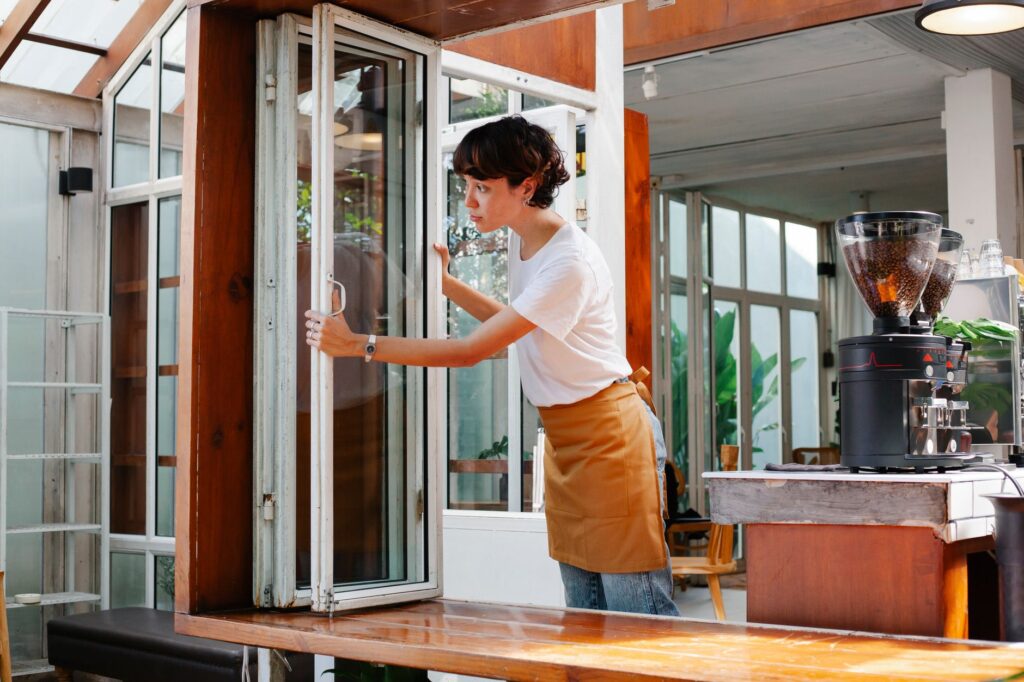
Regional weather patterns in Michigan demand careful attention to thermal performance ratings. Choosing glass packages with low U-factors and appropriate Solar Heat Gain Coefficients (SHGC) helps manage heat transfer during both humid summer months and sub-freezing winters.
Proper installation techniques—including thorough flashing, perimeter insulation, and precise leveling—are critical to ensure the window unit performs as intended. Many homeowners coordinate window upgrades alongside related exterior improvements, such as siding or entry door replacements, to ensure a fully sealed and weather-resistant building envelope.
Working with a Professional Contractor
Partnering with an experienced local contractor provides practical advantages throughout the replacement process. Qualified professionals understand regional building codes, proper structural framing requirements, and effective installation methods for the local climate.
A reputable installation team also assists with precise measurements, project permitting, and warranty coverage for both the products and labor.
Frequently Asked Questions
How long does window replacement take?
The timeline depends on the number of windows, frame styles, and the extent of any structural repairs needed around openings. Replacing a few standard units may take a single day, whereas full-home installations typically take several days. Contractors provide an estimated schedule following an on-site assessment.
What factors influence the cost of window replacement?
Project pricing depends on frame materials, window styles, dimensions, custom glass options, and labor requirements. Obtaining comprehensive estimates that outline material specifications and installation scope helps establish an accurate budget.
Will new windows reduce energy costs?
Yes. Modern multi-pane windows with low-emissivity coatings and airtight seals reduce thermal transfer, lowering the energy required to heat and cool the living space.
Which window features suit cold-weather climates best?
Double- or triple-pane glass units, Low-E glass coatings, insulated frame cavities, and inert gas fills (such as argon) deliver strong thermal resistance and help minimize condensation during colder months.
What are the signs that windows need replacement?
Common indicators include persistent drafts, moisture or fogging between glass panes, rotting frames, difficulty opening or locking sashes, and noticeable spikes in heating or cooling expenses.
Certifications, Efficiency Standards, and Warranties
When selecting replacement products, reviewing performance certifications helps ensure energy savings. Look for units certified by standard rating organizations such as the National Fenestration Rating Council (NFRC), which verifies thermal metrics including U-factor and air leakage rates.
Homeowners should also review manufacturer warranties for glass seal integrity and hardware durability, as well as contractor workmanship warranties covering installation quality.