
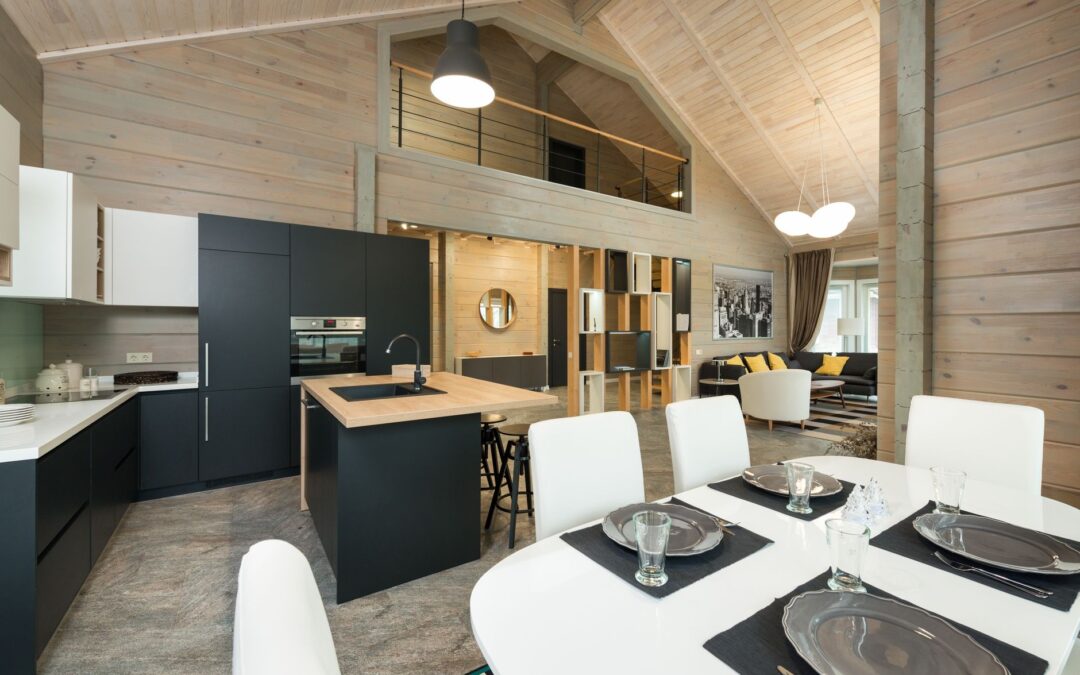
Understanding local design trends, including prevailing architectural styles, is helpful for homeowners considering a remodel or new construction. In Greenville, MI, home design trends emphasize comfort, functionality, and connection to nature, featuring natural materials, updated traditional styles, and functional outdoor living spaces. Homeowners are prioritizing durable, low-maintenance solutions that enhance both curb appeal and interior comfort, reflecting a blend of classic charm and modern efficiency.
Key Takeaways
- Greenville homes are embracing updated traditional and transitional interior styles, focusing on comfort and practicality.
- Natural materials like wood, stone, and woven textures are popular for creating warmth and connection to the Michigan landscape.
- Exterior trends prioritize durable, low-maintenance materials and expanded outdoor living areas, including decks and patios.
- Functionality and smart home integration are key, with dedicated flex spaces and energy-efficient solutions gaining traction.
- Checking local building codes and obtaining required building permits are essential steps for remodeling and addition projects.
What Are the Most Popular Home Design Trends in Greenville, MI?
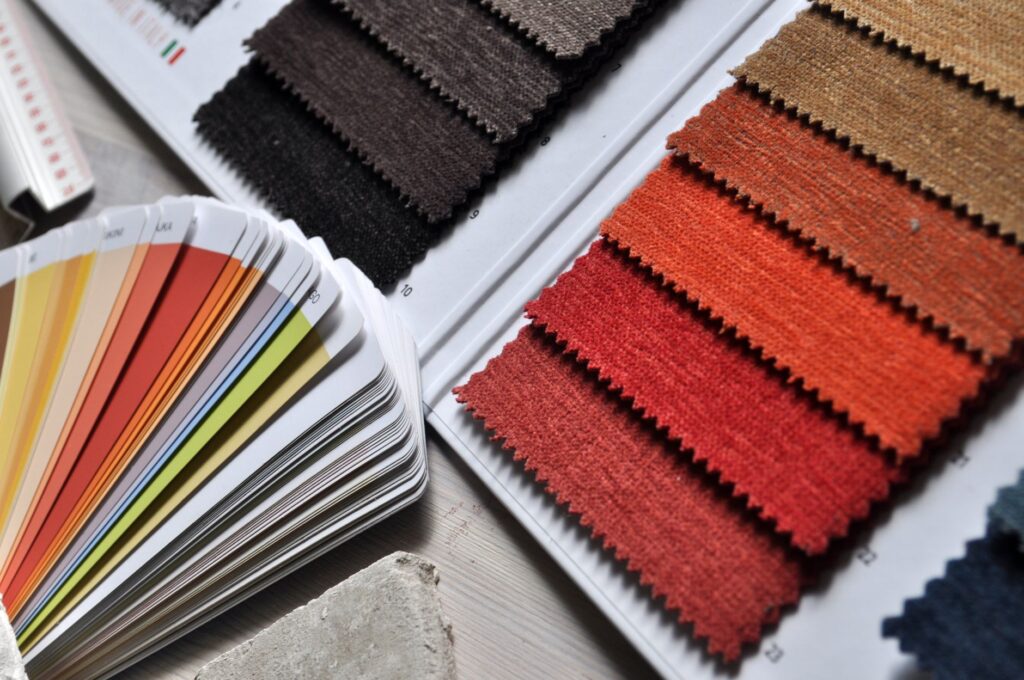
Home design trends in the area reflect a blend of enduring regional preferences and contemporary desires for comfort, efficiency, and connection to the natural environment. Homeowners are increasingly focused on creating spaces that are both appealing and highly functional, prioritizing longevity and ease of living. This includes choosing durable materials, thoughtful layouts, and designs that complement the changing seasons.
A significant trend is the integration of natural elements. Incorporating more wood, stone, and natural light into living spaces helps blur the lines between indoor and outdoor environments. Many renovating homeowners prioritize functional improvements and creating a personalized space that feels welcoming and closely tied to surrounding nature.
Furthermore, there is a steady emphasis on sustainability and energy efficiency. Homeowners frequently focus on long-term utility savings and environmental responsibility. This translates into choices for better insulation, energy-efficient windows, and durable building materials.
What Interior Design Styles Are Trending in Local Homes?
Interior design in the region leans toward styles that offer comfort, warmth, and timeless appeal, often with a modern twist. The most prominent styles merge traditional elements with contemporary simplicity.
Updated Traditional and Transitional Styles
Many homeowners opt for an updated traditional or transitional aesthetic. These styles bridge the gap between classic design and modern sensibilities, creating spaces that feel both familiar and fresh. Key characteristics include:
- Neutral Color Palettes: Soft grays, warm whites, and subtle earth tones form the base, allowing for flexibility with accent colors.
- Comfortable Furnishings: Plush seating and functional pieces prioritize comfort without sacrificing style.
- Natural Materials: Extensive use of wood, natural stone countertops, and woven textures in rugs and upholstery adds texture.
- Classic Silhouettes with Modern Finishes: Furniture often features clean lines paired with classic detailing or contemporary hardware.
These styles appeal to homeowners seeking an elegant yet livable environment that can evolve over time. For instance, a kitchen remodel often incorporates shaker-style cabinetry paired with contemporary hardware and lighting fixtures.
Biophilic Design Elements
Reflecting the desire for a connection to nature, biophilic design principles are frequently integrated into living spaces. Key elements include:
- Abundant Natural Light: Maximizing window placement and open layouts to let in sunlight.
- Indoor Plants: Incorporating greenery to enhance air quality and visual appeal.
- Natural Textures and Patterns: Using materials that reflect nature, such as distinct wood grain, stone, and organic fabric patterns.
These elements contribute to a calm, restful atmosphere within the home.
Functional and Flexible Spaces
The demand for versatile living areas continues to be strong. Homeowners look for spaces that can adapt to various needs, whether for a home office, hobby room, or guest area. Common approaches include:
- Open-Concept Living with Defined Zones: Open layouts often incorporate rugs, furniture placement, or half-walls to provide distinct functional zones while maintaining flow.
- Dedicated Flex Rooms: Basements are frequently reimagined as multi-functional areas, from workout spaces to entertainment and home office setups.
- Smart Storage Solutions: Built-in shelving, custom cabinetry, and intentional storage systems help maintain an organized, uncluttered home.
When planning functional upgrades, reviewing local building codes ensures smooth timelines and safe structural modifications.
What Exterior Design Trends Are Popular for Regional Homes?
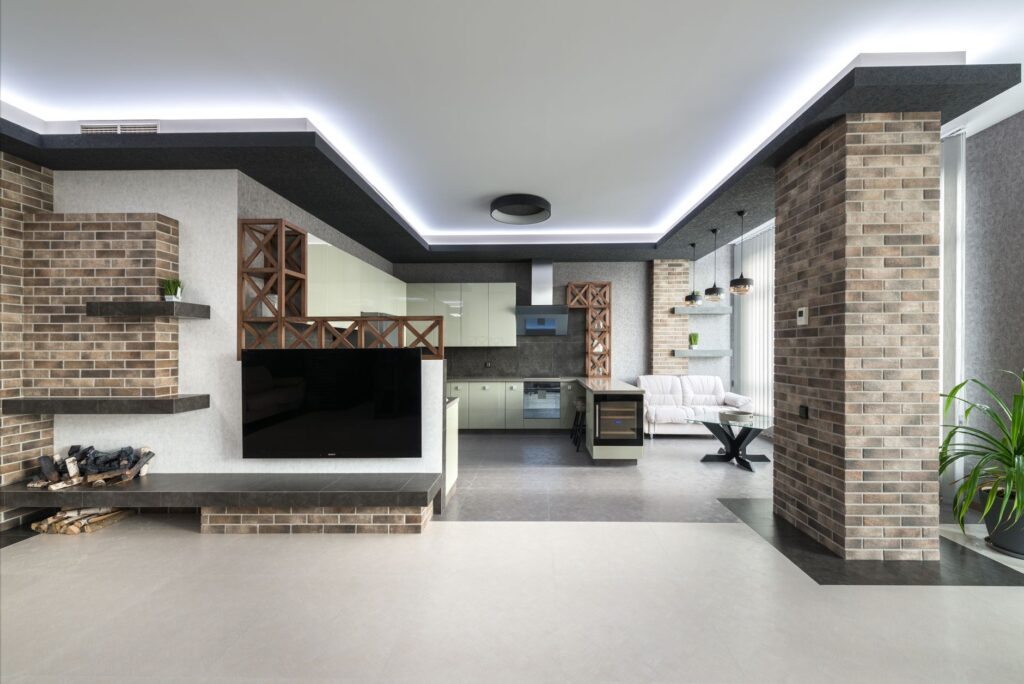
Exterior design trends are driven by a desire for enhanced curb appeal, expanded outdoor living spaces, and durable, low-maintenance materials capable of withstanding regional weather conditions.
Expanded Outdoor Living Areas
Outdoor living spaces continue to serve as extensions of the home. Common exterior additions include:
- Deck and Patio Construction: Spacious decks and well-designed patios provide dedicated spots for dining and relaxing. Composite decking offers long-term durability with minimal maintenance, while natural wood remains a classic option.
- Outdoor Kitchens and Fire Pits: Grilling stations and built-in fire features extend the usability of outdoor areas into cooler evenings.
- Covered Porches and Pergolas: Overhead structures provide shade and weather protection, making outdoor spaces usable throughout more of the year.
Durable and Low-Maintenance Materials
Given the local climate, selecting exterior materials that offer longevity and require minimal upkeep is essential. Popular selections include:
- Fiber Cement Siding: Known for its durability, pest resistance, and ability to mimic painted wood without intensive upkeep.
- Engineered Wood Siding: Delivers the look of natural wood alongside enhanced moisture resistance.
- Stone and Brick Accents: Adds texture, architectural interest, and durability to facades and entryways.
Enhanced Curb Appeal and Landscaping
Thoughtful exterior updates contribute significantly to neighborhood character and long-term value. Common enhancements include:
- Modernized Color Palettes: Rich tones such as deep grays, blues, or dark accents contrast effectively against classic neutral siding and trim.
- Thoughtful Landscaping: Incorporating native plantings, hardscape walkways, and functional drainage solutions keeps yards manageable and attractive.
- Exterior Lighting: Fixtures along pathways and architectural features improve nighttime visibility and safety.
Frequently Asked Questions
Do I need a permit for remodeling in Greenville, MI?
Yes, most significant home remodeling projects in Greenville, MI, including structural alterations, additions, and major plumbing, electrical, or mechanical work, require building permits. Homeowners should consult the local municipal building department before beginning construction.
How long does a typical kitchen remodel take?
The timeline for a kitchen remodel depends on the scope of work. Minor aesthetic updates may take several weeks, while comprehensive renovations involving layout reconfiguration, custom cabinetry, plumbing, and electrical updates often take a few months.
What factors influence the cost of a deck installation?
Deck installation costs depend primarily on overall dimensions, material selection (such as pressure-treated lumber versus composite boards), substructure requirements, railing styles, and site terrain.
What are common materials for exterior updates in Michigan?
Common exterior materials include fiber cement siding, engineered wood, vinyl, brick, stone veneer, and natural timber. Material choices typically balance aesthetic goals, weather resistance, and required maintenance.
Should I hire a professional for my home remodeling project?
Hiring a licensed and insured contractor is recommended for projects that involve structural adjustments, electrical or plumbing systems, or complex exterior additions. Professional contractors help ensure work meets local building codes and standards.
Integrating Broader Regional Influences and Smart Home Innovation
Looking at broader regional architecture can provide useful inspiration. Styles such as Craftsman or Prairie design emphasize natural materials, craftsmanship, and harmony with the surrounding landscape, fitting naturally alongside current home preferences.
Incorporating energy-efficient practices and smart home technologies offers practical day-to-day benefits. Smart controls for lighting, climate, and security systems help optimize energy use while making modern living more convenient.