
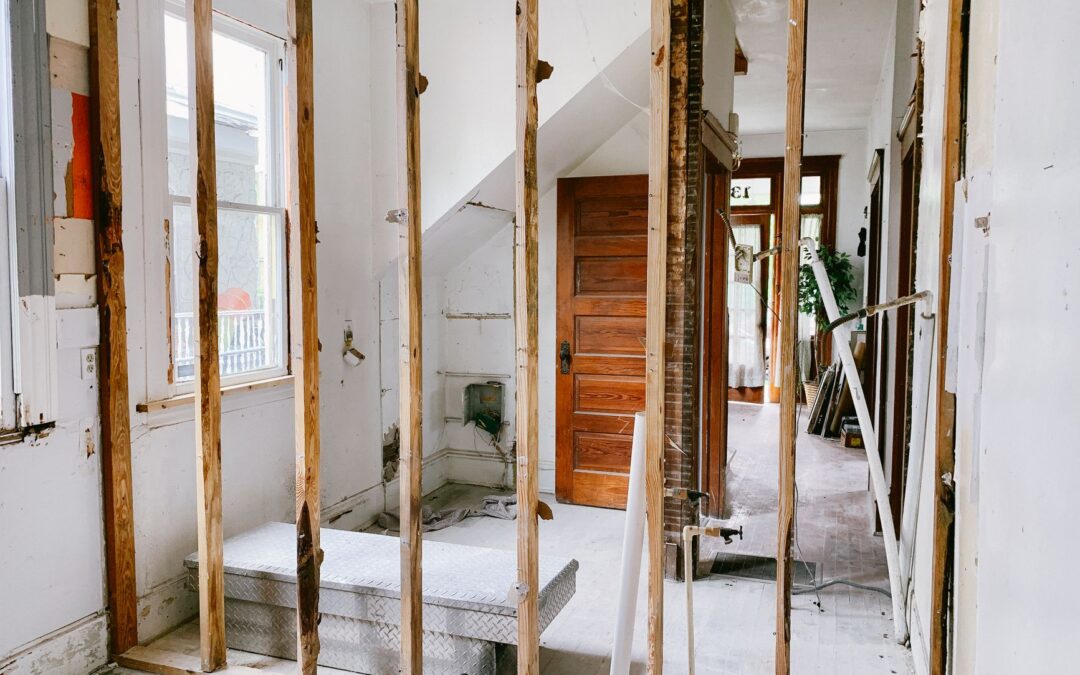
Embarking on a home renovation project in Greenville, MI, doesn't always require an extravagant budget. With smart planning, strategic choices, and an understanding of cost-effective materials, you can significantly update your home's aesthetic and functionality without breaking the bank. This guide provides affordable home renovation tips tailored for local homeowners, including insights into managing your budget and exploring renovation options.
Key Takeaways
- Prioritize renovations that offer high visual impact or address critical functional issues for strong return on investment.
- Focus on cosmetic upgrades like fresh paint, updated fixtures, and refinishing existing materials before undertaking major structural changes.
- Obtain multiple detailed quotes from licensed local contractors to get accurate cost estimates.
- Strategic material selection and knowing when to DIY versus hiring professionals are essential to staying on budget.
Best Affordable Renovation Ideas

Homeowners looking to refresh their living spaces without overspending have numerous options for affordable renovations. The key is to focus on projects that deliver significant visual impact or functional improvement for a modest investment.
- Fresh Paint: A new coat of paint is one of the most cost-effective ways to transform any room. Lighter, neutral colors can make spaces feel larger and more modern, appealing to contemporary tastes.
- Update Fixtures and Hardware: Swapping out old light fixtures, faucets, cabinet pulls, and door handles can dramatically modernize a kitchen or bathroom. These small details have a big impact on a room's overall feel.
- Strategic Landscaping: Enhancing curb appeal doesn't have to be expensive. Simple additions like mulching, planting native shrubs, and maintaining a tidy lawn can significantly boost your home's exterior appeal. Consider enhancing walkways with concrete elements, an area where local contractors like J and M Construction Group can assist.
- Refinish Cabinets, Don't Replace: Instead of the high cost of new kitchen or bathroom cabinets, consider refinishing or painting existing ones. This can give your space a completely new look at a fraction of the price of a full remodel.
- Energy-Efficient Upgrades: While not purely aesthetic, sealing drafts, adding weatherstripping, or upgrading to LED lighting can reduce utility bills, offering long-term savings that make the initial investment worthwhile.
- Enhance Outdoor Living Spaces: Simple deck repairs, power washing, or adding a new coat of stain can revitalize an existing structure. For new additions, consider a small, well-designed patio or a fire pit area to add enjoyment and value.
Focusing on these types of projects allows residents to achieve noticeable improvements without the financial strain of large-scale overhauls. Prioritizing projects that align with your home's existing structure and style can also prevent unexpected costs.
Estimating Your Renovation Budget
Accurately estimating your home renovation budget is crucial for a successful project. A realistic budget helps prevent financial stress and ensures you can complete your desired improvements. Consider the following steps during planning:
- Define Your Scope: Clearly outline every aspect of your project, from specific materials to desired finishes. Vague plans often lead to budget overruns.
- Obtain Multiple Quotes: Contact at least three local contractors, such as J and M Construction Group, for detailed, itemized bids. This provides a comparative understanding of costs for labor, materials, and any necessary permits.
- Research Material Costs: Independently research the cost of materials you intend to use through local area suppliers.
- Factor in Labor: Labor costs can vary significantly. Ensure your quotes clearly delineate labor expenses.
- Include a Contingency Buffer: Setting aside extra funds for unexpected issues helps absorb surprise repairs, especially when working on older homes.
- Consider Design Fees: If you plan to hire an architect or interior designer, include their fees in your budget.
- Account for Permits: Many home remodeling projects, particularly those involving structural changes or plumbing and electrical work, require permits from the local building department. Factor in these administrative costs.
By following these steps, you can create a comprehensive budget that reflects the true cost of your home renovation, helping you avoid surprises and manage financing effectively.
Remodeling Costs: Kitchens & Baths
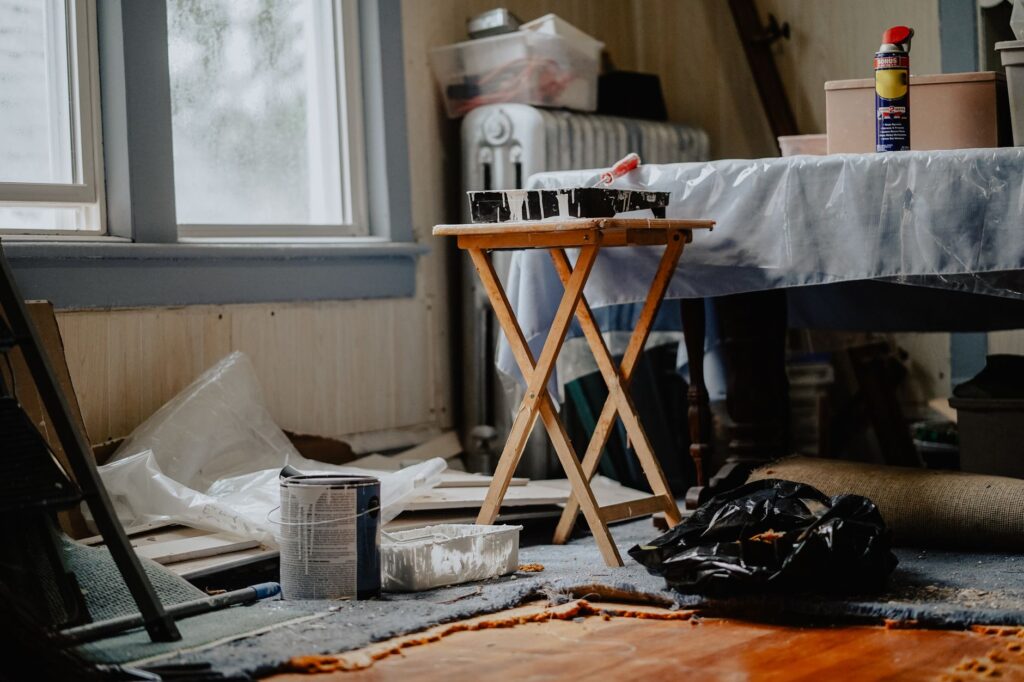
Understanding remodeling costs for common projects like kitchens and bathrooms is a critical step in planning your renovation. Costs vary widely based on the size of the space, the quality of materials selected, and the complexity of the design.
For instance, a minor kitchen refresh involving painting and new fixtures will be significantly less expensive than a full gut renovation with custom cabinetry and high-end appliances. Similarly, a bathroom remodel can range from a simple cosmetic update to a complete overhaul requiring revised plumbing and electrical work.
Due to fluctuations in material prices and labor rates, project-specific estimates from reputable local professionals, like J and M Construction Group, provide the clearest path to budgeting accurately.
Factors influencing costs include:
- Material Selection: High-end finishes (such as custom stone countertops or specialty tile) increase costs compared to standard, budget-friendly options.
- Labor Rates: The complexity of the work and specialized trades required will affect overall labor expenses.
- Scope of Work: Minor cosmetic updates are less costly than major structural reconfigurations that involve moving plumbing lines or electrical panels.
- Permits: Depending on the project, municipal permits may be required, adding administrative fees to the overall total.
Staying on Budget During Renovations
Keeping your renovation project on budget requires discipline, clear communication, and proactive management. Key practices include:
- Detailed Planning: Before any work begins, finalize your design, material selections, and scope of work to avoid costly mid-project changes.
- Clear Contractor Communication: Establish open communication with your chosen contractor. Ensure all expectations, timelines, and cost breakdowns are understood and documented in writing.
- Prioritize Needs Over Wants: Distinguish between essential upgrades and optional luxuries to easily scale back if finances tighten.
- Monitor Progress and Expenses: Regularly review invoices and project milestones against your budget.
- DIY Where Appropriate: For simple tasks like painting or minor prep work, doing it yourself can save on labor costs if you possess the necessary skills. However, for specialized tasks like structural work, concrete services, or major electrical changes, rely on licensed professionals.
- Source Materials Wisely: Look for sales, consider quality alternative materials, and purchase in bulk when feasible.
- Evaluate Financing Carefully: If using home equity loans or other financing options, review terms and interest rates thoroughly before committing.
Frequently Asked Questions
DIY vs. contractor for small renovations
For small renovations, whether to DIY or hire a contractor depends on your skill level, available time, and the complexity of the task. Simple cosmetic updates like painting or changing cabinet hardware can often be handled independently. However, for tasks involving plumbing, electrical, structural changes, or specialized concrete work, hiring a licensed contractor is recommended to ensure safety, quality, and compliance with local building codes.
What permits do I need for home renovations?
Permit requirements vary based on the scope of the project. Minor cosmetic changes typically don't require permits. However, projects involving structural alterations, additions, significant plumbing or electrical work, new decks, or changes to the footprint of your home generally do. Always check with the City of Greenville Building Department before starting work to ensure compliance.
How can I increase home value with affordable renovations?
Focus on projects that offer strong return on investment. These often include improving curb appeal (landscaping, exterior paint touch-ups), updating kitchens and bathrooms cosmetically (new fixtures, paint, cabinet refinishing), and enhancing energy efficiency. Projects that improve basic functionality and address deferred maintenance also contribute significantly to value.
What is the best way to find a reliable local contractor?
Finding a reliable contractor involves several steps: ask for recommendations from neighbors or family, check verified reviews, confirm active licensing and insurance, and request detailed quotes from multiple companies. Ensure they have experience with projects similar to yours and provide transparent project timelines and pricing.
Should I prioritize kitchen or bathroom renovations for ROI?
Both kitchen and bathroom renovations generally offer solid returns, but priority often depends on their current condition. Kitchens frequently serve as a central focal point for buyers and benefit greatly from moderate updates. Bathrooms also provide high value, especially when updating worn or outdated fixtures. Focusing on cosmetic improvements in both areas rather than full structural remodels helps maximize return on investment.
Local Context and Sustainable Strategies
Beyond fundamental tips, homeowners can benefit by considering local architectural styles—from historic Victorians to mid-century ranches—when planning updates. Renovations that respect a home's original character and surrounding neighborhood typically yield enduring appeal and avoid disjointed design choices.
Homeowners undertaking energy-efficient upgrades or preservation projects should also research state and local incentive programs, which may offer rebates or tax credits for qualifying improvements. Incorporating sustainable practices, such as choosing durable low-maintenance materials, low-VOC finishes, or water-saving fixtures, benefits indoor air quality while lowering utility costs over time.
Resources
For additional guidance on planning home improvements, the following resources provide helpful industry standards and local requirements:
- City of Greenville Building Department: For official local permit requirements, zoning regulations, and building code information.
- U.S. Department of Housing and Urban Development (HUD): General guidance on home improvement and maintenance resources (https://www.hud.gov/topics/home_improvement).