
Understanding the investment required for durable and functional surfaces is crucial for property owners. This guide provides an overview of asphalt paving costs, helping homeowners and property managers budget and plan effectively for their paving projects. We'll explore how factors like material selection, subgrade stabilization, and comprehensive site preparation influence the overall project cost.
Key Takeaways
- Total paving costs are driven by project size, site preparation (such as excavation and grading), asphalt thickness, base depth, and the project type (new installation, resurfacing, or repair).
- Michigan's freeze-thaw cycles significantly impact asphalt durability, making adequate aggregate base preparation critical.
- Paving contractors often have minimum project charges to cover equipment mobilization and crew staging.
- Regular maintenance, such as crack filling and sealcoating services in Greenville Michigan, helps extend asphalt lifespan and manage long-term expenses.
Understanding Asphalt Paving Costs in Greenville, MI
The total cost of an asphalt paving project varies depending on the specific scope of work, local site conditions, and required base work. While smaller resurfacing tasks require fewer materials and labor hours, full-depth installations demand extensive excavation, hauling, and aggregate placement, which increases overall project costs.
What Factors Influence the Total Cost of Asphalt Paving?
Several critical factors determine the final price of an asphalt paving project. Understanding these elements helps property owners anticipate expenses and evaluate contractor estimates.
Project Size and Layout
The total area is a primary cost factor, but the complexity of the layout also plays a significant role. Projects with curves, steep inclines, multiple access points, or irregular shapes require additional handwork and specialized equipment handling compared to open, rectangular spaces.
Site Preparation Requirements
Before asphalt is installed, the ground must be properly prepared. This can include grading, excavation to remove unsuitable soil, and soil stabilization if the subgrade is soft or poorly draining. The condition of the existing surface and the need for new drainage infrastructure will directly impact preparation expenses.
Type of Paving Project
The nature of the work directly shapes the overall budget:
- New Construction: Involves complete excavation, subgrade compaction, installing an aggregate base, and applying base and surface asphalt courses.
- Asphalt Overlay (Resurfacing): Applied directly over an existing asphalt surface that remains structurally sound, eliminating the need for major excavation.
- Full-Depth Reconstruction: Required when the pavement structure and subgrade have failed completely, involving total removal, regrading, base rebuilding, and new asphalt paving.
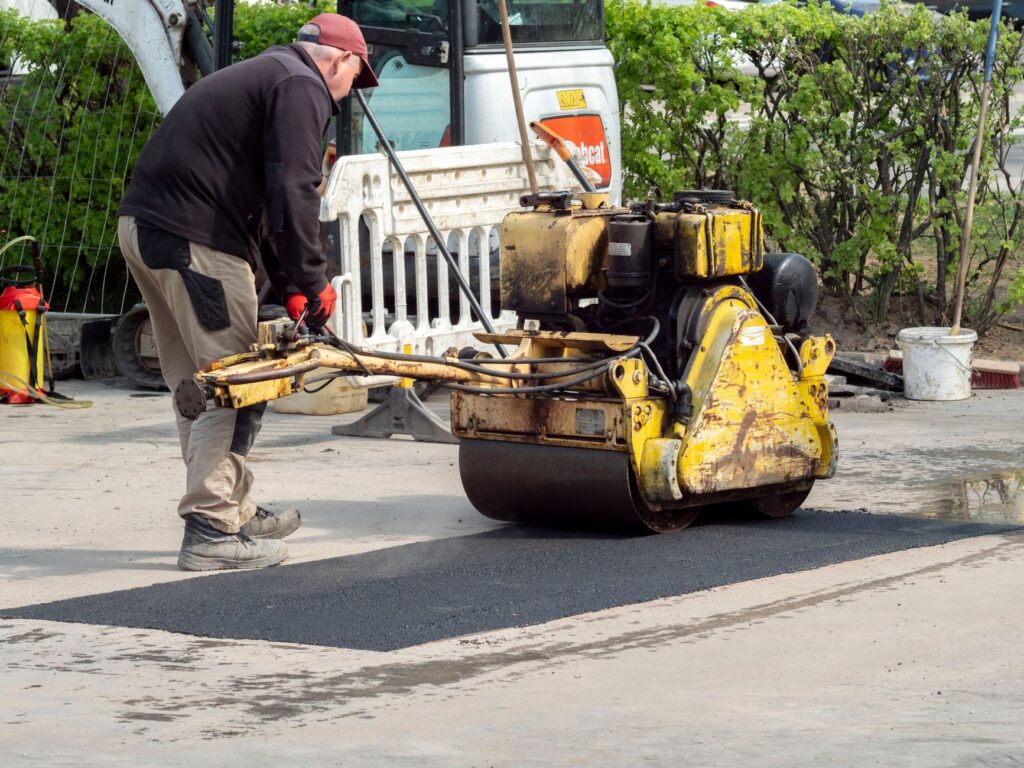
- Patching and Repair: Targeted fixes for localized issues such as potholes or isolated cracks, often completed as part of regular parking lot maintenance or driveway repair.
Material Specifications and Thickness
The specifications of the asphalt binder and aggregate mix, along with the depth of the aggregate base and pavement courses, influence both the initial investment and the surface's long-term performance. Heavy-traffic areas require thicker base layers and denser mix designs to prevent premature failure.
Labor and Mobilization
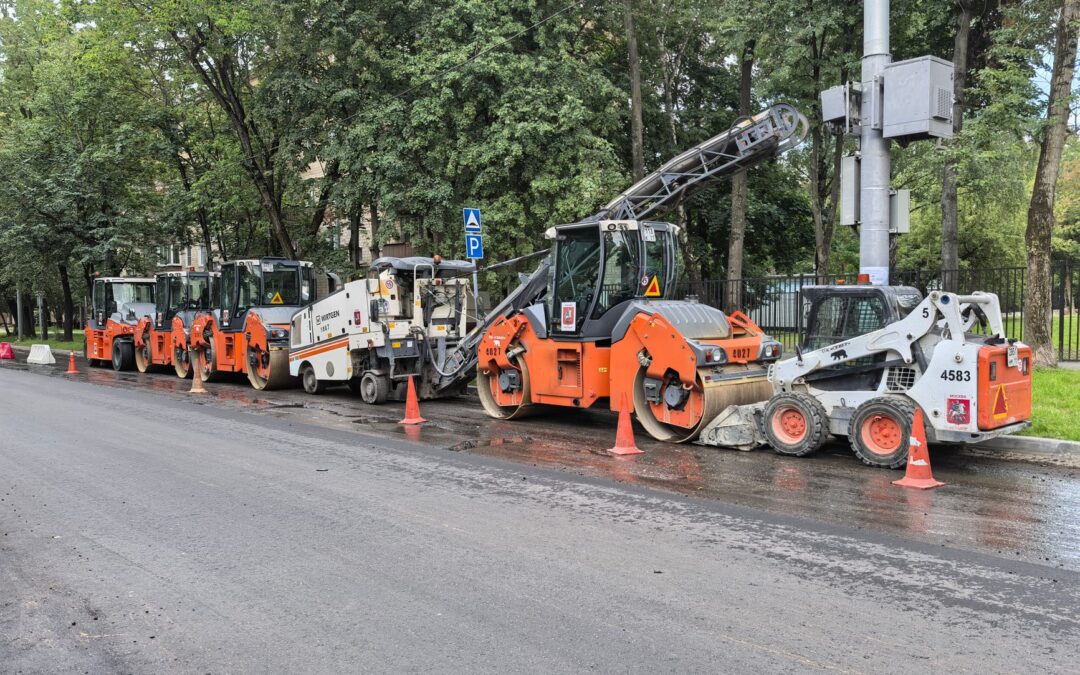
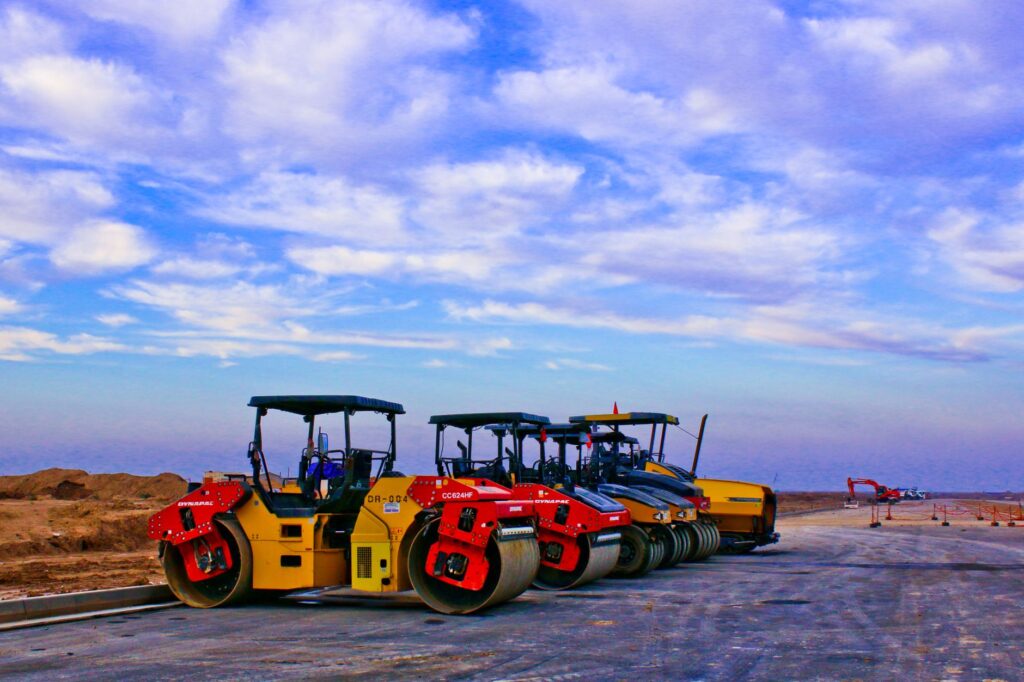
Paving requires skilled crews and heavy equipment, including rollers, pavers, and transport trucks. The crew size, transport distance, and equipment mobilization requirements all contribute to labor and operational expenses.
Michigan Climate's Impact on Asphalt Paving
Michigan's freeze-thaw cycles from late autumn through spring present specific challenges for paved surfaces. Water that penetrates cracks expands when frozen, causing pavement to heave and break apart. De-icing chemicals and winter road salt can also accelerate surface wear.
Asphalt's natural flexibility helps it absorb some ground movement compared to rigid materials. However, a properly compacted aggregate base is essential to provide adequate drainage and frost resistance. Ensuring appropriate base depth and slope prevents standing water and reduces long-term maintenance needs.
Minimum Project Costs
Most asphalt paving contractors maintain a minimum charge for services. This policy accounts for the fixed costs associated with mobilizing heavy machinery, transporting crews, and purchasing minimum batch quantities of hot-mix asphalt from local plants.
Asphalt vs. Concrete Paving: Cost & Durability Considerations
When selecting a paving material, property owners typically compare asphalt and concrete. Asphalt generally offers lower initial installation costs compared to concrete.
From a performance perspective, asphalt's flexibility allows it to handle freeze-thaw shifts with less structural cracking than rigid concrete surfaces. While concrete often provides a longer lifespan under ideal conditions, asphalt's lower initial cost and straightforward repair options make it a popular choice for many residential and commercial applications.
What to Look For in an Asphalt Paving Quote
When reviewing contractor estimates, look for a comprehensive scope of work to ensure accurate comparisons:
- Detailed Scope of Work: Clear descriptions of excavation, grading, base depth, and asphalt compaction layers.
- Material Specifications: Types of aggregate, mix design, and thickness of each layer after compaction.
- Drainage Solutions: Measures included to ensure proper water runoff away from structures and pavement edges.
- Total Project Pricing: Transparent project totals outlining all included labor, materials, and potential add-ons.
- Warranty and Workmanship: Terms outlining contractor guarantees on materials and installation quality.
- Insurance and Permits: Proof of liability insurance, worker's compensation, and clarification on permitting responsibilities.
Asphalt Longevity and Maintenance
With a stable base, proper compaction, and routine upkeep, asphalt pavement can provide decades of reliable service. Key maintenance practices include:
- Crack Sealing: Sealing surface fissures prevents water from entering the subbase and causing frost-heave damage.
- Pothole Patching: Repairing localized failures promptly prevents degradation of the surrounding pavement structure.
- Sealcoating: Applying a protective sealant shields the asphalt binder from oxidation, moisture, and automotive fluids.
- Routine Cleaning: Keeping surfaces clear of debris and chemical spills prevents surface staining and aggregate deterioration.
Frequently Asked Questions
How long should I wait before driving on new asphalt?
Vehicles should typically stay off newly paved asphalt for at least 2 to 3 days to allow the surface to cool and set. During hot weather or for heavy commercial traffic, waiting longer may be recommended to avoid surface scuffing.
Can asphalt be installed in cold weather?
Asphalt is ideally paved during warmer weather when ambient and ground temperatures allow sufficient time to compact the hot mix before it cools. The best time for asphalt paving is generally from late spring through early autumn.
Is it better to repair or replace an old asphalt driveway?
If pavement damage is localized to surface cracks or minor depressions and the aggregate base remains stable, targeted repairs and resurfacing are often sufficient. If the subgrade has shifted, extensive alligator cracking is present, or drainage has failed, full reconstruction is usually necessary.
Do I need a permit for asphalt paving in Greenville, MI?
Permit requirements depend on project scope and local municipal guidelines. Minor resurfacing or patching often does not require permits, but new construction, driveway expansions, or projects that alter stormwater drainage or right-of-way access may require municipal approval. Check with local building or zoning officials before beginning work.
Advanced Asphalt Solutions and Project Planning
Modern asphalt paving incorporates several technological advancements. Recycled Asphalt Pavement (RAP) integrates reclaimed materials into new mixes, conserving natural resources while maintaining pavement strength. Similarly, Warm-Mix Asphalt (WMA) technologies allow material production and placement at lower temperatures, reducing energy consumption and extending workable paving windows.
When planning a project, consulting with experienced contractors and checking local municipal zoning requirements ensures the finished surface meets all relevant building codes, drainage standards, and performance expectations.