
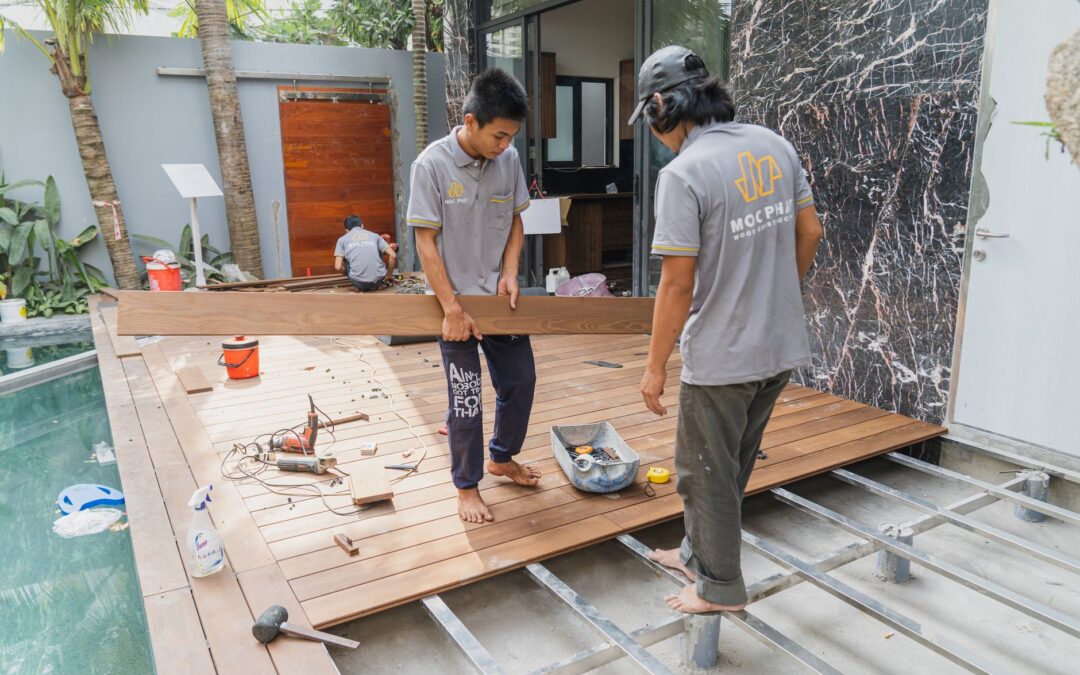
Transforming your outdoor living space with a new deck significantly enhances your home's curb appeal and functionality. For homeowners in Greenville, MI, considering options like capped composite decking and PVC decking offers a practical blend of durability, aesthetics, and minimal upkeep, providing an alternative to traditional wood.
Composite decking provides long-term value against Michigan's varied climate, resisting rot and fading. Professional installers offer comprehensive services from design to completion, ensuring quality deck substructure materials and adherence to local building codes for decks.
Essential Insights: Composite Decking Installation in Greenville, MI
- Composite decking offers significant benefits over wood, including superior durability, low maintenance, and resistance to Michigan's harsh weather.
- Reputable brands like Trex, Azek, TimberTech, and Fiberon are available, providing various styles and colors.
- Composite decks typically offer long lifespans, often supported by extensive manufacturer warranties.
- Choosing a licensed and insured local contractor ensures quality installation and peace of mind for your project.
Cost Considerations for Composite Decking Installation
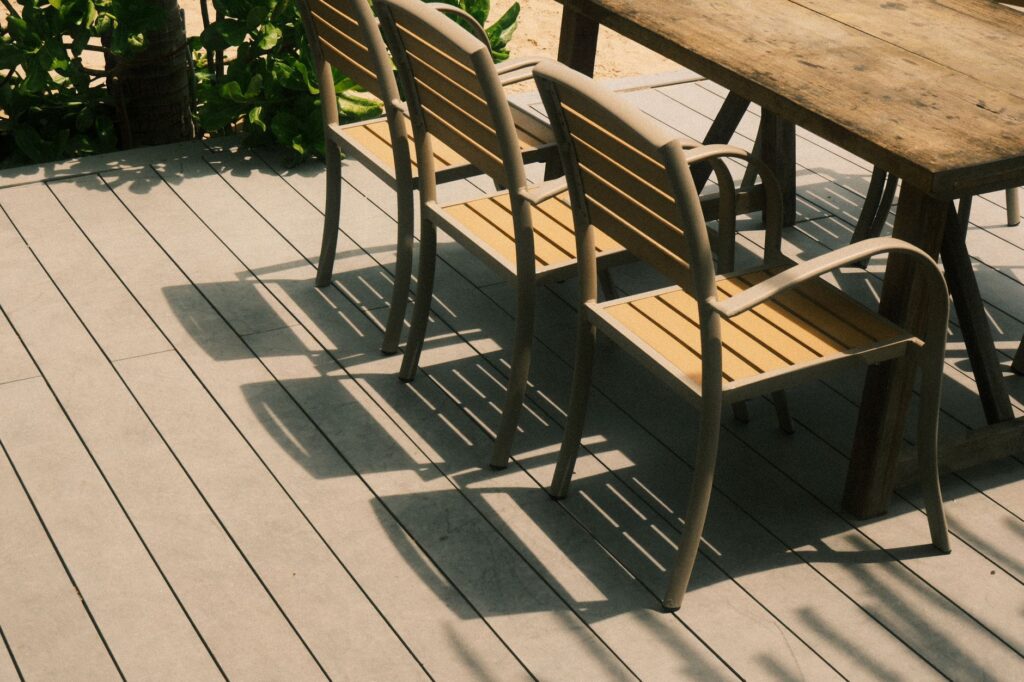
The total investment for composite decking installation depends on multiple project variables. Total costs generally cover both the composite decking materials and the professional labor required for construction. Factors such as the size and complexity of the deck design, the specific brand and series of composite material chosen, and site conditions all influence the final price.
Larger decks with intricate designs, multiple levels, or custom features like built-in seating or lighting naturally require a higher budget. Premium composite lines, while offering enhanced aesthetics and longer warranties, also contribute to higher material expenses. Investing in professional installation helps ensure structural longevity and adherence to safety standards.
Benefits of Composite Decking for Michigan Homes
For local homeowners, selecting composite decking presents numerous advantages given the regional climate. These benefits extend beyond aesthetics, offering practical long-term value.
- Low Maintenance: Unlike wood, composite decking does not require sanding, staining, or sealing. Routine cleaning with soap and water is typically sufficient to maintain its appearance.
- Exceptional Durability: Engineered from a blend of wood fibers and recycled plastics, composite decks resist common issues that affect traditional wood, such as rot, insect infestation, and splintering.
- Weather Resistance: Composite materials are designed to withstand temperature fluctuations, heavy snowfall, and UV exposure without warping, cracking, or severe fading across four distinct seasons.
- Aesthetic Variety: Available in a wide array of colors, textures, and finishes, composite decking can mimic the look of natural wood or offer contemporary styles to complement outdoor living spaces.
- Long-Term Value: While initial material costs can be higher than traditional pressure-treated lumber, the reduced maintenance requirements and durability of composite decking often result in lower lifetime upkeep.
Composite vs. Wood Decks: Climate Performance
When planning a new deck, a primary decision involves choosing between composite and traditional wood decking. Each material offers distinct characteristics regarding maintenance, durability, and performance.
| Feature | Composite Decking | Wood Decking |
|---|---|---|
| Maintenance | Low; no sanding, staining, or sealing required. Simple cleaning. | High; requires periodic cleaning, staining/sealing, and occasional repairs. |
| Durability | Resistant to rot, insects, warping, cracking, and splinters. | Susceptible to rot, insect damage, warping, and splintering without regular maintenance. |
| Weather Resistance | High; withstands UV rays, moisture, snow, and temperature swings. | Moderate with proper upkeep; can swell, shrink, or weather over time. |
| Lifespan | Extended lifespan; often backed by extensive manufacturer warranties. | Varies by wood species (e.g., treated pine, cedar, redwood) and maintenance regularity. |
| Upfront Cost | Higher initial investment. | Lower initial investment. |
| Ongoing Upkeep | Minimal ongoing maintenance costs. | Requires periodic purchases of stains, sealers, and repair materials. |
Given the region's seasonal extremes—from cold winters to humid summers—composite decking's resistance to moisture and temperature shifts makes it a durable choice for long-term outdoor use.
Composite Decking Brands
A wide selection of composite decking manufacturers is available, offering various styles, colors, and performance levels. Commonly installed options include:
- Trex: Offers a broad range of decking lines known for durability, low maintenance, and extensive color palettes.
- Azek: Known for PVC decking lines that provide scratch, stain, and fade resistance with natural-looking wood grain profiles.
- TimberTech: Provides a portfolio of composite and advanced PVC decking products catering to different design preferences and budgets.
- Fiberon: Features composite decking options focused on durability, sustainable material sourcing, and realistic grain finishes.
Each manufacturer provides different collections and price tiers, allowing homeowners to select products that match their architectural style and budget.
What Is Involved in the Composite Deck Installation Process?
A professional deck installation follows structured steps to ensure structural stability, safety, and a quality finish:
- Design and Planning: Homeowners collaborate on design layouts, choose material options, and obtain required local municipal building permits.
- Site Preparation: The work area is cleared and graded, addressing soil stability and proper drainage needs.
- Substructure Construction: The structural foundation—including footings, support posts, beams, and joists—is assembled to support the decking boards.
- Decking Installation: Composite boards are secured to the frame, often utilizing hidden fastener systems and proper board spacing for water drainage and expansion.
- Finishing Touches: Railings, stair systems, fascia skirting, and optional integrated lighting are installed before a final safety and quality check.
Working with Licensed and Insured Deck Builders
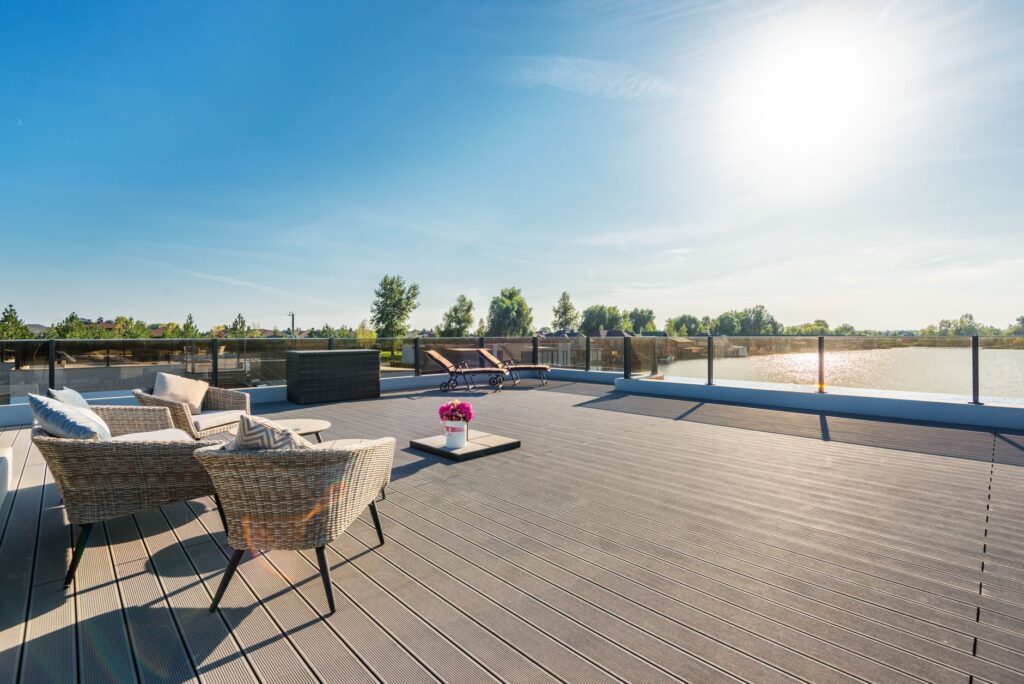
Working with licensed and insured builders is an important safeguard for home improvement projects. A valid contractor license confirms compliance with state and local regulations, while adequate insurance coverage protects property owners throughout construction.
General liability insurance covers accidental property damage, while workers' compensation provides protection in the event of an on-site injury. Requesting documentation of active credentials ensures the project meets legal and structural standards.
Estimates and Deck Services
Many professional deck contractors provide consultations and project estimates to review layout options, site conditions, and material preferences. Typical decking services include:
- Custom Deck Design: Developing custom layouts tailored to home architecture, including multi-level platforms, custom stair configurations, and integrated shade structures.
- New Deck Construction: Complete build-outs from site excavation and framing to final surface installation.
- Deck Replacement: Safely dismantling worn wooden structures and rebuilding new composite decks on verified or rebuilt framing.
- Deck Maintenance and Repair: Replacing damaged individual boards or upgrading railing components as needed.
Expected Durability and Sustainability
Composite decking is engineered to withstand outdoor exposure better than standard untreated lumber. The synthetic and capped components protect against moisture penetration, surface rot, and insect damage, allowing boards to retain their integrity over many years.
Additionally, composite materials often incorporate recycled plastics and reclaimed wood fibers. This reuse of materials diverts plastic waste from landfills and reduces reliance on fresh lumber harvesting. Because composite decking requires no paints, stains, or chemical sealers, it avoids the routine application of chemical finishes over its lifespan.
Enhancing Your Composite Deck: Design Options
Beyond board selection, several structural and design elements enhance an outdoor living space:
- Substructure Framing: Framing options include traditional pressure-treated lumber, treated structural timbers, or engineered metal framing systems for enhanced long-term stability.
- Fastening Systems: Hidden fastener clips and color-matched composite screws create a clean board surface without exposed screw heads.
- Integrated Deck Lighting: Low-voltage post cap lights, stair riser lighting, and recessed deck lights improve evening visibility and ambiance.
- Code and Permitting Compliance: Proper footing depth, railing heights, and load capacities ensure the completed build aligns with local building safety requirements.
Contact J and M Construction Group for professional guidance on composite deck planning, design, and installation.
Frequently Asked Questions
Is composite decking slippery when wet?
Modern composite decking boards feature embossed grain patterns and textured surfaces designed to improve traction. While any wet surface requires care, textured composite surfaces offer consistent traction comparable to or better than smooth, wet wood.
Can composite decks be repaired?
Yes. If an individual board suffers damage, it can be unfastened and replaced without having to rebuild the surrounding deck surface.
Does composite decking fade over time?
Capped composite decking features a protective outer polymer layer engineered with UV inhibitors that resist fading, maintaining board color over years of sun exposure.
How do I clean a composite deck?
Basic maintenance involves washing the surface periodically with mild soap, warm water, and a soft-bristle brush to remove surface pollen and dirt. Specific composite-safe deck cleaners can be used according to manufacturer instructions for stubborn spots.
Are permits required for composite deck construction?
Yes, local building departments generally require permits for new deck construction, framing alterations, or significant rebuilds to verify structural safety and code compliance.
What is the best time of year to build a deck in Michigan?
Late spring through autumn offers optimal weather conditions for outdoor construction. However, framing and installation can often proceed during other seasons depending on ground conditions and weather stability.
Personalizing Your Composite Deck: Design, Features, and Financing
Beyond the core installation, truly transforming your outdoor space involves thoughtful personalization and practical planning. Modern deck design is greatly enhanced by advanced 3D visualization software, allowing homeowners in Greenville, MI, to virtually walk through their future deck, experiment with layouts, and select materials before construction even begins. This ensures the final product perfectly matches your vision and lifestyle.
Consider elevating both safety and aesthetics with specialized railing systems. While standard composite railings are popular, options like sleek aluminum balusters, contemporary cable railings, or elegant glass panels can dramatically alter your deck's appearance, offering unobstructed views and a unique architectural statement. Furthermore, integrating outdoor kitchens, built-in seating, or inviting fire features can transform your deck into a comprehensive outdoor living room, ideal for entertaining or quiet relaxation.
Understanding the investment, many reputable contractors, including JM Construction Group, also offer flexible financing options to make your dream deck project more accessible. These solutions can help manage the upfront costs, allowing you to enjoy your premium composite deck sooner without compromising on quality or desired features. Discussing these possibilities during your initial consultation can provide clarity and peace of mind.