
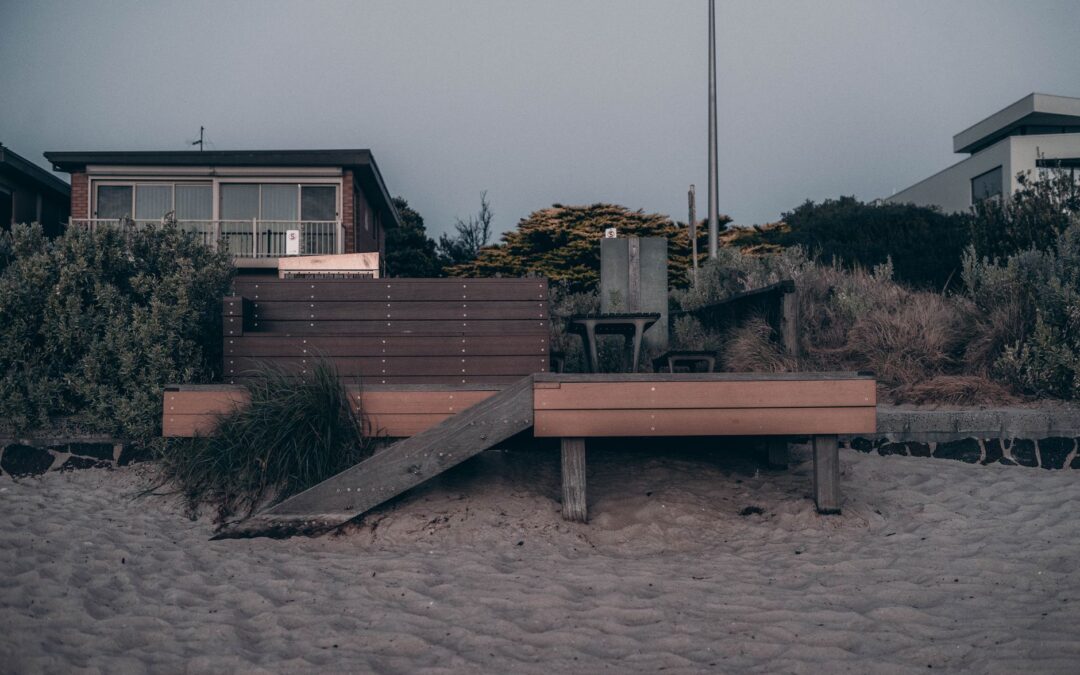
For homeowners in Greenville, Michigan, adding a deck is an investment that enhances outdoor living and property value. Planning a project requires understanding the variables that influence overall construction costs.
Quick answer: The cost to build a deck depends on factors such as deck size, material choice (such as natural wood or composite), design complexity, local labor rates, and site preparation. For a precise estimate, local contractors can provide tailored quotes based on on-site evaluations.
Key Takeaways
- Deck construction costs are primarily influenced by material selection, overall size, and structural design complexity.
- Wood decking options like pressure-treated lumber or cedar generally offer lower upfront material costs compared to composite alternatives.
- Composite materials require a higher initial investment but offer greater resistance to weathering and lower ongoing maintenance demands.
- Local permitting and building regulations are essential considerations that influence project planning and timelines.
- Obtaining multiple detailed quotes from local builders is the most reliable way to establish an accurate project budget.
Overview of Deck Construction Costs
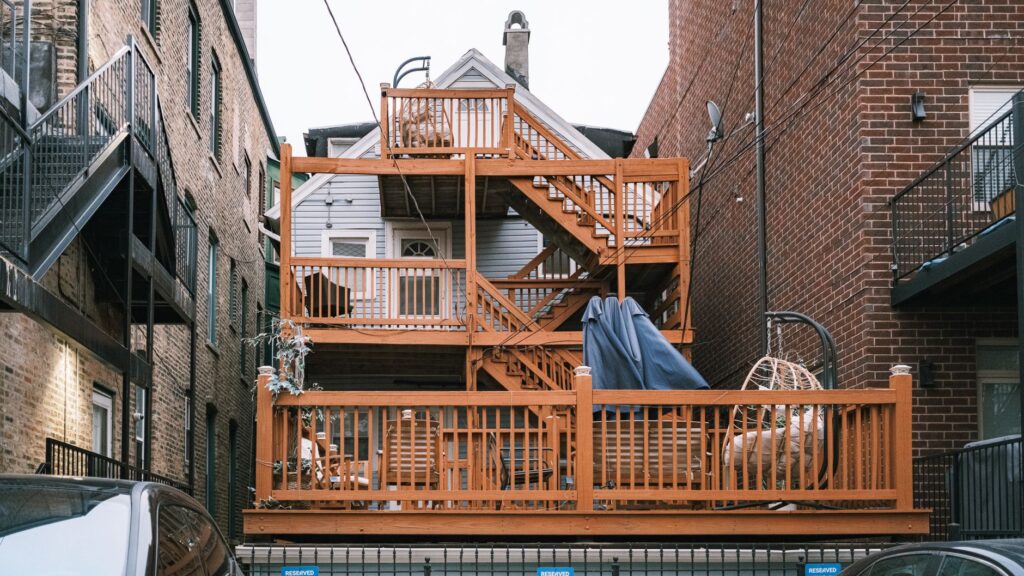
Deck construction pricing spans a broad spectrum rather than a single fixed rate. A smaller, ground-level platform built from standard lumber represents a more accessible entry point, whereas expansive, multi-tiered layouts featuring composite boards, integrated railings, and custom features require a larger investment. Overall costs are driven by materials, labor requirements, and design specifics.
Because every residential lot presents distinct site conditions, professional contractors emphasize on-site assessments to provide accurate estimates. An initial evaluation accounts for ground grading, structural footing requirements, design preferences, and applicable building permits.
What Factors Influence Total Deck Construction Costs?
Several critical elements determine the final cost of a new deck. Understanding these variables helps homeowners make informed design choices and plan their budgets effectively.
Decking Material Choices: Wood vs. Composite
The choice of decking boards is often the primary driver of material expenses. Homeowners typically choose between traditional lumber and engineered composite products, each carrying distinct performance characteristics and maintenance expectations.
Wood Decking
Natural wood remains a popular option for its traditional look and initial affordability. Common options include:
- Pressure-Treated Pine: A widely used, economical material treated to resist decay and insect damage, requiring routine sealing or staining.
- Cedar: A mid-tier lumber offering natural rot resistance and distinct grain patterns, which benefits from periodic protective finishes.
- Hardwoods: Dense, premium woods that provide natural durability but require specialized fasteners and installation techniques.
Composite Decking
Composite decking, manufactured from blends of wood fibers and recycled polymers, involves a higher upfront purchase cost than standard lumber. However, it provides long-term durability by resisting rot, warping, and insect damage without regular staining or painting.
- Low Maintenance: Requires only periodic cleaning with soap and water.
- Weather Resistance: Formulated to withstand moisture, seasonal temperature shifts, and UV exposure.
- Design Options: Available in diverse colors, textures, and grain patterns designed to emulate natural wood.
Deck Size and Design Complexity
Square footage directly affects the quantity of framing lumber, surface boards, hardware, and labor hours required. Beyond footprint dimensions, architectural complexity significantly affects the scope of work:
- Basic Designs: Standard single-level rectangular platforms require minimal framing adaptation and represent the most straightforward build.
- Multi-Level Decks: Multi-tiered configurations demand reinforced framing, extra footings, and additional structural engineering.
- Custom Features: Built-in seating, privacy screens, pergolas, and integrated steps add to fabrication time and material requirements.
Labor and Installation
Skilled carpentry and framing represent a major portion of any deck installation budget. Labor costs reflect the time necessary to excavate, set footings below the frost line, frame the substructure, lay surface decking, and install code-compliant railing systems. Difficult site access or steep slopes increase the required physical labor.
Permits and Local Building Codes
Constructing a deck typically requires building permits to verify compliance with local safety standards, structural load criteria, and setback rules. Permit fees and required inspections ensure that footings, framing spans, and guardrails meet structural integrity guidelines.
Site Preparation and Foundation Work
The ground beneath the structure must be properly prepared. Significant slope variations, rocky soil, or the removal of an aging existing structure require extra labor and equipment. In regions subject to freezing temperatures, concrete piers must extend deep enough to prevent frost heave from compromising the deck's stability.
Additional Features and Upgrades
Finishing details and optional accessories can alter the final budget:
- Railing Systems: Selections include wood pickets, composite rails, aluminum balusters, or modern cable assemblies.
- Staircases: Multi-step configurations and intermediate landings require dedicated framing and support posts.
- Deck Lighting: Low-voltage post cap lights, stair riser fixtures, and perimeter illumination improve nighttime safety.
- Under-Deck Drainage: Drainage systems installed under elevated decks help create usable, dry storage or patio space below.
Selecting a Local Deck Builder
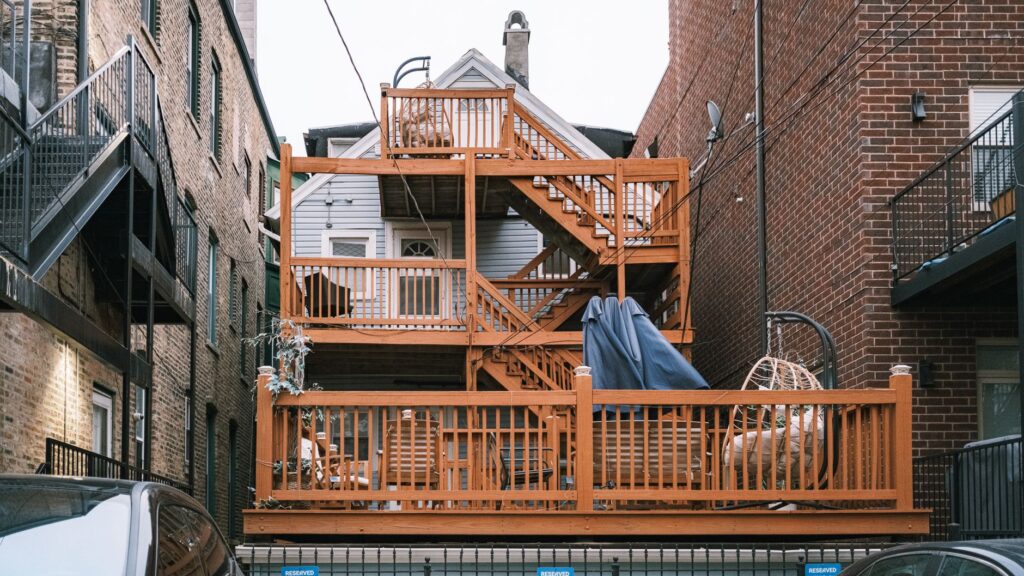
Hiring an experienced contractor ensures proper structural framing, safe attachment to the home, and adherence to regional building codes. When comparing contractors, homeowners should request comprehensive written estimates that outline the scope of work, material grades, labor allowances, and permit handling.
Transparent communication regarding timelines, site cleanup, and warranty coverage helps ensure that the finished outdoor living space fulfills expectations while remaining structurally sound for years to come.
Frequently Asked Questions
How long does it take to build a deck?
Construction timelines vary based on size and complexity. Simple platform builds can often be completed in one to two weeks, while larger multi-level structures or custom builds requiring extensive foundation work may take several weeks. Weather conditions and inspection scheduling also influence the timeline.
Do I need a permit to build a deck in Greenville, Michigan?
In most instances, constructing a new deck or making major structural modifications requires a building permit from local municipal authorities. Permitting ensures that footing depths, framing spans, and safety railings comply with established building codes.
Is composite decking worth the extra initial cost?
Composite decking offers value to homeowners seeking reduced long-term maintenance. While natural lumber carries a lower initial material price, composite materials eliminate the recurring labor and material expenses associated with staining, sealing, and replacing weathered boards.
What is the best time of year to build a deck in Michigan?
Spring, summer, and early autumn offer favorable ground and weather conditions for framing and exterior carpentry. However, foundation and deck installation can also proceed during colder months, provided ground conditions allow for proper excavation and concrete curing.
Can I build a deck myself to save money?
While DIY construction reduces labor expenses, deck building requires knowledge of structural framing, load calculations, local codes, and proper fastener selection. Professional installation helps ensure code compliance, structural safety, and long-term durability.
What determines the lifespan of an outdoor deck?
The lifespan of a deck depends primarily on the chosen materials, exposure to moisture and sunlight, and ongoing maintenance. Regular cleaning and sealing extend the life of natural wood, while composite materials naturally resist rot and decay over extended periods.