
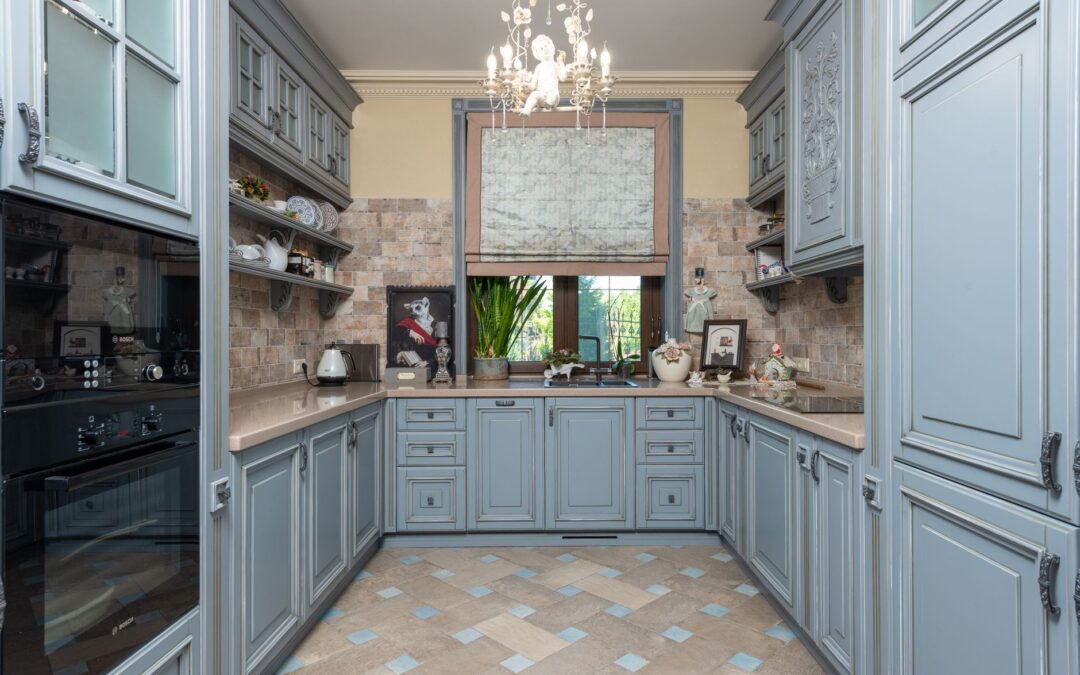
Transforming your kitchen often begins with the cabinets, the foundational element for both aesthetics and functionality. For homeowners in Greenville, MI, investing in custom kitchen cabinet design offers a pathway to a space that perfectly reflects individual style and meets specific lifestyle needs, emphasizing kitchen layout optimization through proven kitchen design principles like the work triangle, ergonomic design, and seamless kitchen workflow optimization. Quick answer: Custom kitchen cabinets in Greenville, MI, are built precisely to your kitchen's dimensions and your personal aesthetic and functional preferences. They incorporate superior cabinet construction methods, such as dovetail joints, and offer a vast array of cabinet door profiles and advanced interior storage solutions. Unlike stock or semi-custom options, they provide unparalleled design flexibility, optimal space utilization, and superior craftsmanship, resulting in a truly unique and efficient kitchen tailored to your home.
Quick answer: Custom kitchen cabinets are built precisely to your kitchen's dimensions and your aesthetic and functional preferences, offering a wide array of cabinet door profiles and specialized interior organizers. Unlike stock or semi-custom options, they provide design flexibility, optimal space utilization, and quality craftsmanship tailored to your home.
Designing Your Perfect Custom Kitchen Cabinets in Greenville, Michigan
- Custom cabinets offer personalized layouts and space optimization for any kitchen configuration.
- They are built to exact specifications, ensuring a precise fit and maximizing available space.
- Key benefits include enhanced durability, long-term value, and aesthetic appeal tailored to your preferences.
- The design process involves collaborative planning to select materials, finishes, and hardware that match your vision.
- Investing in custom cabinetry contributes significantly to a functional, long-lasting kitchen remodel.
Custom vs. Stock: Kitchen Cabinets for Greenville Homes
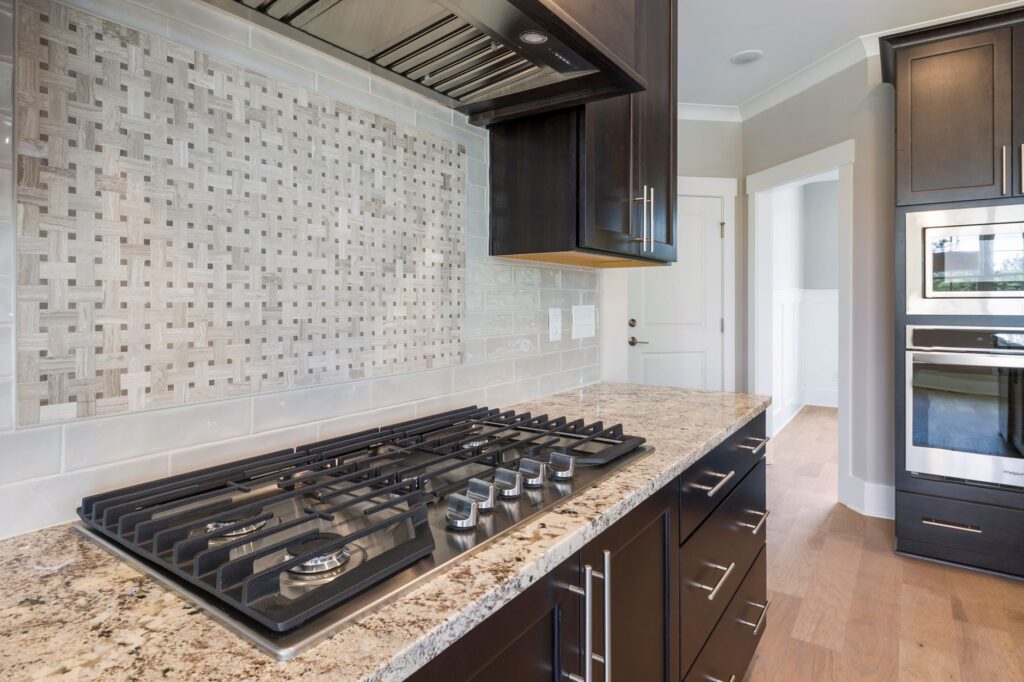
Custom kitchen cabinets are engineered and built to fit the exact dimensions and specifications of your kitchen. This bespoke approach ensures every cabinet, drawer, and storage component accommodates architectural nuances, personal preferences, and functional requirements.
Stock cabinets are pre-manufactured in standard sizes, styles, and finishes, offering limited options. Semi-custom cabinets provide a middle ground, starting with standard modular sizes while allowing select modifications in depth, width, or finish. The key differentiator for custom cabinets is complete freedom in design, material selection, and dimensions.
| Feature | Stock Cabinets | Semi-Custom Cabinets | Custom Cabinets |
|---|---|---|---|
| Availability | Ready-made, off-the-shelf | Modified standard sizes | Built to order |
| Sizing | Standard increments (e.g., 3-inch) | Some modifications to standard sizes | Exact dimensions for any space |
| Design Flexibility | Limited styles, colors, materials | More options for finishes, door styles | Unlimited design, material, and finish choices |
| Lead Time | Shortest | Medium | Longest (due to bespoke nature) |
| Cost | Lowest | Moderate | Higher (reflects custom build) |
| Personalization | Minimal | Moderate | Complete and unique |
Benefits of Custom Kitchen Cabinets
Choosing custom kitchen cabinets offers distinct advantages for daily use and long-term home value. The primary benefit is complete personalization, allowing you to create a kitchen that matches your specific design vision and workflow demands.
Beyond aesthetics, custom cabinetry provides superior space utilization, ensuring every corner and alcove is efficiently used—an advantage for layouts with irregular dimensions or specialized storage needs. The construction and materials used in custom cabinetry typically provide greater durability over time compared to mass-produced units.
Designing & Installing Custom Kitchen Cabinets
The process of designing and installing custom kitchen cabinets is a structured process that ensures accurate execution from start to finish. It typically begins with an initial consultation to review functional requirements, aesthetic goals, and project scope, alongside detailed measurements of the space.
Following consultation, designers develop plans and layout renderings to help visualize the kitchen before fabrication begins. Once designs and materials are approved, the cabinets are built and prepared for professional installation to guarantee proper alignment and structural integrity.
- Initial Consultation & Measurement: An assessment of the existing space, lifestyle needs, and precise room dimensions.
- Design & Planning: Detailed layout drawings and 3D renderings showcasing cabinet configurations, door profiles, and functional zones.
- Material & Finish Selection: Selection of wood species, durable finishes, hardware styles, and specialized interior organizers.
- Craftsmanship & Fabrication: Precision construction of custom cabinet boxes, face frames, doors, and drawers.
- Professional Installation: Secure mounting, scribing to wall contours, and precise leveling of all cabinetry components.
Custom Kitchen Cabinet Costs & Factors
The cost of custom kitchen cabinets varies widely based on project scope, making fixed general estimates impractical without detailed specifications. Unlike pre-priced stock lines, custom options reflect individual selections.
Key factors influencing cost include the chosen wood species (such as maple, cherry, oak, or walnut), design complexity, finish types (such as custom paint, stain, or protective topcoats), and specialized hardware. Built-in accessories, pantry pull-outs, glass inserts, and integrated lighting also factor into the overall project investment.
Materials, Finishes & Hardware for Custom Cabinets
Custom cabinet design allows for complete customization across materials, protective coatings, and decorative hardware.
Materials
- Hardwoods: Maple, cherry, oak, walnut, and birch provide distinct grain patterns, strength, and longevity.
- Engineered Wood: Premium plywood and high-density substrates are frequently utilized for stable cabinet boxes and smooth painted doors.
- Specialty Woods: Unique timber options for distinctive architectural accents.
Finishes
Finishes protect the underlying wood and define the kitchen's visual style:
- Stains: Highlight natural wood grains across light, medium, and dark tones.
- Paints: Provide smooth, opaque color coverage across extensive palettes.
- Glazes: Applied over base finishes to add depth and accent door profile details.
- Protective Topcoats: Clear varnishes and conversion varnishes engineered to resist moisture, grease, and daily wear.
Hardware
Hardware provides both functional performance and aesthetic refinement:
- Knobs & Pulls: Available in modern, transitional, and classic styles in finishes like brushed brass, matte black, chrome, and nickel.
- Hinges: Concealed soft-close European hinges provide clean exterior lines and silent operation.
- Drawer Slides: Heavy-duty, full-extension, soft-close undermount slides allow full access to drawer interiors.
Custom Kitchen Design Trends & Styles
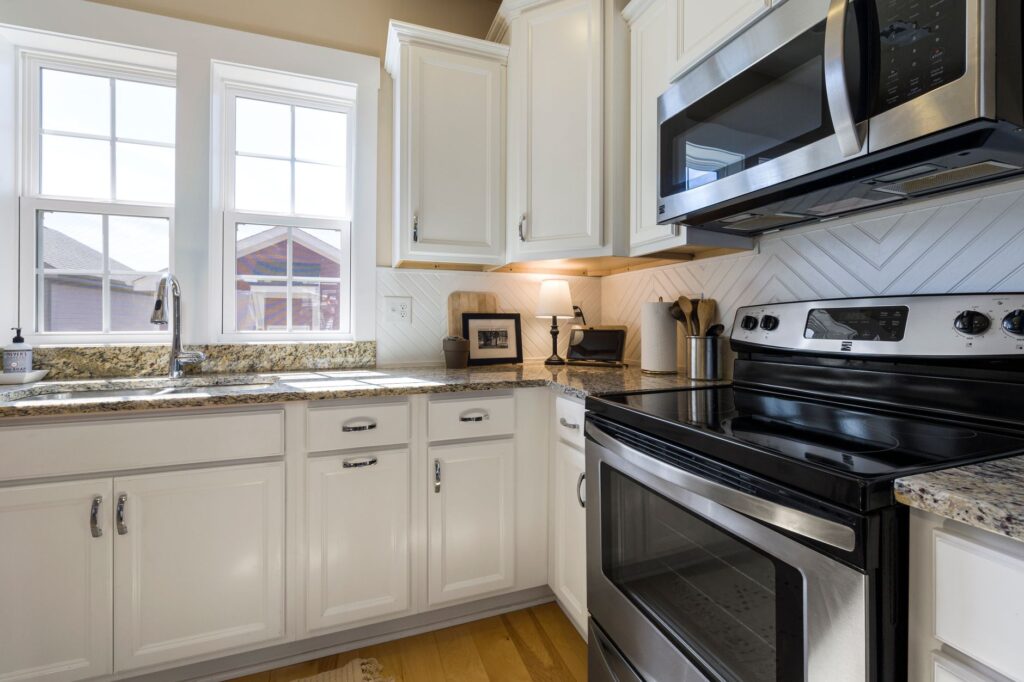
Current kitchen cabinet designs emphasize a balance between timeless aesthetics and ergonomic functionality. Transitional styling and classic Shaker-style door profiles remain popular for their versatile adaptability across diverse architectural styles.
Neutral palettes, including warm whites and earthy grays, continue to be common foundations, while two-tone cabinetry designs featuring contrasting island colors or rich earth tones (such as deep blues, forest greens, and warm wood stains) provide visual depth. Clean lines, hidden storage solutions, and durable surfaces remain key priorities for modern residential kitchens.
Maximizing Kitchen Storage with Custom Cabinets
Custom cabinetry excels at maximizing usable storage within any room configuration. Because components are constructed to exact room dimensions, dead corners and awkward filler spaces can be eliminated.
Specialized organizational features include full-height pull-out pantries, dedicated spice pull-outs, deep drawers for cookware, appliance garages to conceal countertop equipment, and custom cutlery dividers. Blind corners can be equipped with articulated pull-out trays or lazy Susans to ensure every square inch remains accessible.
Choosing a Custom Cabinet Designer
Selecting the right custom cabinet builder or designer is critical to ensuring smooth project execution and enduring build quality.
- Portfolio & Experience: Review completed projects to evaluate build quality, joint construction, and design range.
- Design Services: Look for comprehensive planning capabilities, including detailed floor plans and 3D renderings.
- Construction Standards: Confirm the use of durable box construction, solid drawer boxes with dovetail joinery, and high-performance hardware.
- Clear Communication: Ensure detailed proposals that clearly outline timelines, materials, and scopes of work.
- Installation Capabilities: Verify that installation is handled by experienced professionals skilled in precise fitting and leveling.
Professional Installation of Custom Kitchen Cabinets
Professional installation is critical to achieving proper alignment, smooth operation, and long-term durability. The process involves checking walls for plumb and floors for level, followed by establishing layout lines based on the approved plans.
Base cabinets are securely anchored and leveled first, followed by upper wall cabinets. Scribing is performed to tailor cabinet edges to uneven drywall or plaster walls, ensuring tight, clean seams. Once boxes are secured, doors and drawer fronts are installed, aligned, and fine-tuned for smooth, quiet operation.
Innovations and Trends in Custom Kitchen Design
Modern custom cabinetry often incorporates advanced hardware systems from manufacturers like Blum and Häfele, which provide soft-close mechanisms, lift-up door systems, and heavy-duty interior organizers. Designers use specialized CAD software to create precise layout plans and 3D visualizations before fabrication starts.
Cabinet construction can also align with performance guidelines from organizations such as the Kitchen Cabinet Manufacturers Association (KCMA) and sustainable sourcing standards like the Forest Stewardship Council (FSC). Modern trends increasingly feature integrated smart technology, including discreet charging stations, automated interior drawer lighting, and custom appliance panels for a seamless built-in look.
Elevating Your Kitchen: Complementary Design Elements
While custom cabinets form the foundation of a kitchen renovation, overall success depends on coordinating adjacent design features:
- Countertop Materials: Durable quartz, natural granite, marble, or butcher block complement cabinetry finishes and withstand daily food preparation.
- Backsplash Design: Full-height stone slabs, ceramic tiles, or classic subway patterns connect upper cabinetry with countertops.
- Custom Kitchen Islands: Tailored islands provide additional preparation surface, casual seating, specialized storage, or prep sinks.
- Integrated Appliance Panels: Custom panel fronts allow refrigerators and dishwashers to blend seamlessly into surrounding cabinetry runs.
- Layered Lighting: Combining under-cabinet task lighting, in-cabinet display lighting, and ceiling fixtures enhances both workspace visibility and room ambiance.
Frequently Asked Questions
What is the typical timeline for custom kitchen cabinet design and installation?
The timeline for custom kitchen cabinetry generally ranges from 8 to 16 weeks depending on design complexity, material availability, and project scope. This includes initial consultations, design drafting, fabrication, finishing, and final on-site installation.
Can custom cabinets fit into any kitchen layout?
Yes. Custom cabinetry is specifically built to accommodate irregular floor plans, angled walls, low ceilings, and non-standard dimensions, optimizing storage in spaces where stock cabinets cannot fit.
Are custom cabinets worth the investment?
Custom cabinets offer long-term value through tailored space optimization, durable construction methods, high-grade materials, and personalized aesthetics that support daily use and home functionality.
Do custom cabinets come with warranties?
Most reputable cabinet makers and installation contractors offer warranties covering craftsmanship and materials. Specific terms, coverage lengths, and exclusions should be reviewed directly with your builder prior to starting the project.
Can eco-friendly materials be used for custom kitchen cabinets?
Yes. Builders can incorporate sustainably sourced lumber, formaldehyde-free engineered wood, low-VOC paints and stains, and recycled hardware components to meet environmental preferences.
Unpacking the Finer Details: Construction, Layouts, and Ergonomics in Custom Kitchens
While the aesthetic appeal of custom kitchen cabinets in Greenville, MI, is undeniable, understanding the underlying craftsmanship and design principles further highlights their value. The quality of your cabinetry often begins with its construction techniques. True custom work employs superior joinery methods like dovetail joints for drawers, known for their strength and durability, and offers choices between framed and frameless cabinet construction, each providing distinct looks and accessibility. Framed cabinets offer a traditional aesthetic, while frameless (European-style) provide a sleek, modern look with maximum interior space.
Beyond construction, optimizing your kitchen involves thoughtful consideration of its layout and ergonomics. Designers often leverage established kitchen layout archetypes such as the efficient L-shaped, expansive U-shaped, or compact galley kitchen, all centered around the functional kitchen work triangle principle (sink, stove, refrigerator). Furthermore, true ergonomic design goes beyond general comfort, incorporating specific standards like ideal countertop heights, accessible drawer depths, and strategic appliance placement to ensure a kitchen that is not only beautiful but also effortlessly functional for every user in your Greenville home. This meticulous attention to detail ensures your custom kitchen is a joy to use for years to come, often incorporating advanced mechanisms like Servo-Drive for effortless opening or innovative LeMans corner solutions for maximizing storage in previously awkward spaces.