

Maintaining a safe and inviting outdoor space is crucial for any Greenville, MI homeowner, and your deck plays a central role. Over time, exposure to Michigan's climate can lead to wear and tear that necessitates professional attention. Professional deck repair services begin with a thorough inspection and structural assessment to accurately diagnose and address common issues such as wood rot, loose railings, and compromised load-bearing capacity. These services are designed to restore safety, extend your deck's lifespan, and ensure all repairs meet local building codes.
Key Takeaways
- Michigan's climate, with its freeze-thaw cycles and humidity, accelerates deck deterioration, making regular inspections vital for Greenville, MI homeowners.
- Common deck issues range from cosmetic concerns like splintered boards to structural problems such as rotting posts and loose ledger boards.
- Deciding between deck repair and replacement depends on the damage extent; repair suits isolated issues, while replacement is necessary for widespread structural failure.
- Hiring qualified professionals helps ensure safety, quality workmanship, and adherence to local building codes.
What Are the Common Signs Your Deck Needs Repair in Greenville, MI?
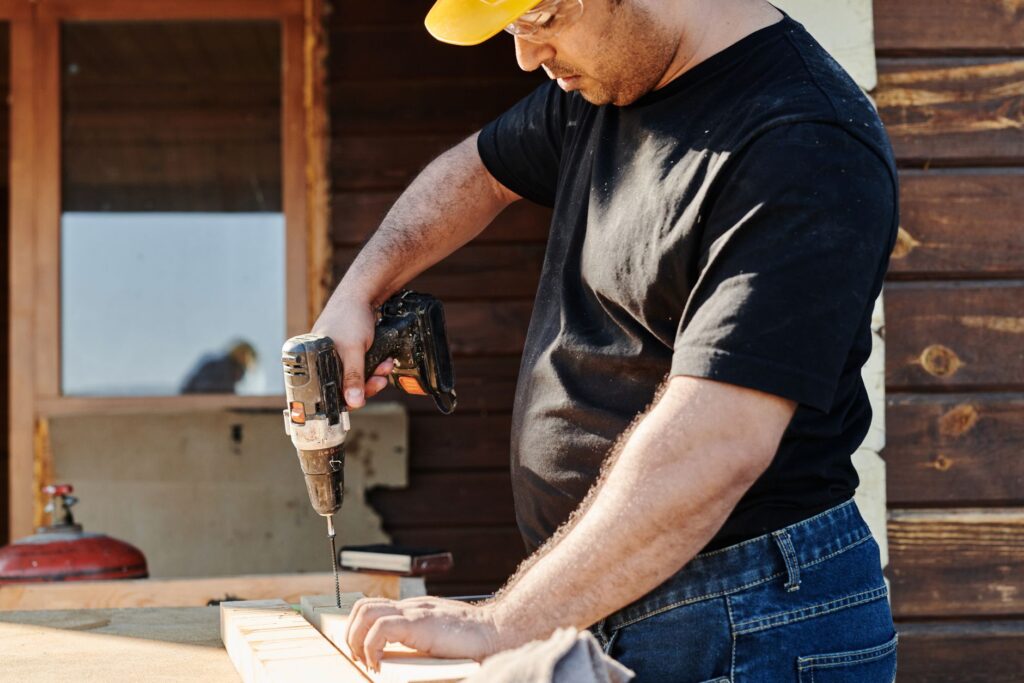
Recognizing the early warning signs of deck damage is essential for maintaining safety and preventing more extensive repairs. In Greenville, MI, homeowners should be vigilant for signs of deterioration:
- Rotting Wood: Soft, discolored, or crumbling areas, especially near the ground, water sources, or fasteners, indicate moisture damage that can compromise structural integrity.
- Loose or Popped Nails/Screws: Fasteners backing out can indicate movement in the deck boards or frame, posing tripping hazards and weakening connections.
- Cracked or Splintered Deck Boards: Beyond aesthetic concerns, damaged boards can cause injuries and allow moisture to penetrate deeper into the wood.
- Wobbly Railings or Posts: Railings are critical safety features; any looseness suggests compromised connections that require immediate attention.
- Foundation Issues: Shifting footings or out-of-plumb posts can lead to instability across the entire deck structure.
- Warped Boards: Cupping, twisting, or bowing creates uneven walking surfaces and points to moisture absorption or improper installation.
- Pest Infestations: Damage from carpenter ants, termites, or other wood-boring insects threatens structural soundness.
- Loose Ledger Board: The ledger board secures the deck to your home. Any separation or decay here poses a severe safety hazard.
- Stair Problems: Loose treads, wobbly stringers, or damaged risers create significant trip and fall risks.
- Corroded Hardware: Rusted fasteners, joist hangers, and structural connectors can weaken and fail over time.
Deck Repair vs. Replacement: When to Choose Which?
Deciding whether to repair or replace your deck balances safety, structural condition, and longevity.
Repair is suitable for isolated damage that does not compromise the main frame. Examples include replacing a few damaged deck boards, securing loose railing sections, or repairing minor, contained surface issues. When core structural elements like posts, beams, joists, and the ledger board remain sound, targeted repairs can effectively extend the deck's usable life.
Replacement is necessary when damage affects critical structural components or is widespread throughout the structure. Extensive rot in framing timbers, widespread insect damage, or severe ledger board failure often make complete replacement the safer and more practical choice. When planning a replacement, homeowners can explore modern options such as custom layouts or composite decking materials.
What Types of Deck Damage Can Professional Services Repair?
Professional deck repair services handle a wide array of issues to restore safety and usability:
- Board Replacement: Removing and replacing individual rotten, warped, or split deck boards.
- Structural Repairs: Reinforcing or replacing compromised joists, beams, and support posts.
- Railing Fixes: Securing loose railings, replacing damaged balusters, and stabilizing newel posts.
- Stair Repair: Rebuilding or reinforcing treads, risers, and stringers.
- Post Stabilization: Repairing or replacing shifted or decayed support posts and correcting footing issues.
- Ledger Board Repair: Securing the connection between the house and deck frame with proper fasteners and flashing.
- Hardware Replacement: Upgrading rusted or inadequate fasteners and connectors with code-compliant, weather-resistant hardware.
- Pest Damage Remediation: Repairing or replacing wood damaged by wood-boring insects.
- Cleaning and Surface Treatment: Removing mold, mildew, and algae to protect the wood surface from premature degradation.
What Materials Are Commonly Used for Deck Repair in Michigan?
Selecting suitable materials is essential for durability against Michigan's seasonal weather:
- Pressure-Treated Pine: An economical and widely used option for framing and decking, treated to resist rot, decay, and insect damage.
- Cedar: Known for natural rot resistance and an attractive grain, making it popular for decking boards, railings, and visual elements.
- Composite Decking: Engineered materials that resist moisture, fading, and splintering with minimal ongoing maintenance. Matching the profile and color of existing composite boards is key during partial repairs.
How Do You Choose a Reliable Deck Repair Service in Greenville, MI?
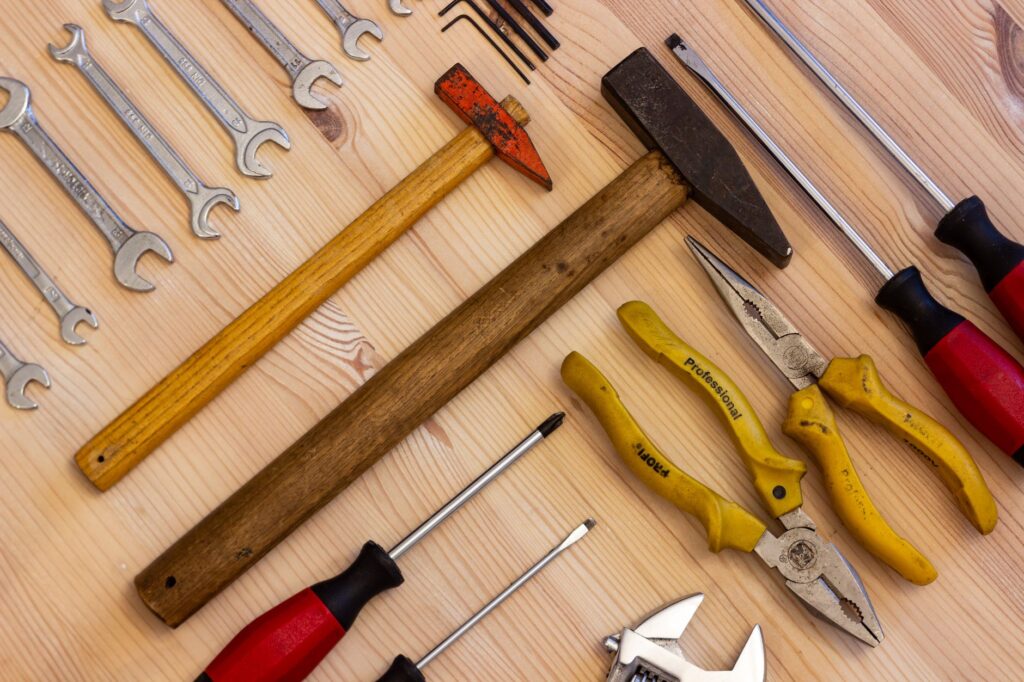
Selecting the right contractor ensures quality workmanship and safe results. Consider the following factors:
- Local Experience: Choose a contractor familiar with local building codes, soil conditions, and regional climate considerations.
- Proper Licensing and Insurance: Verify that the contractor carries active liability insurance and required state licensing.
- Detailed Written Estimates: A reputable service provides clear documentation detailing the scope of work, materials, and labor.
- Warranties: Ask about warranty coverage for both workmanship and replacement materials.
- References and Past Work: Review portfolios or speak with past clients to confirm the quality of previous repair projects.
- Clear Communication: Work with professionals who keep you informed throughout the repair process.
What Are the Benefits of Hiring a Professional for Deck Repair?
While minor maintenance can be handled by homeowners, hiring experienced professionals provides significant benefits:
- Accurate Diagnosis: Professionals identify underlying structural issues rather than just surface symptoms.
- Safety Assurance: Structural repairs require specialized tools and methods to ensure the deck remains safe under load.
- Code Compliance: Professional work adheres to local building standards regarding railing heights, stair geometry, and structural connections.
- Quality Workmanship: Proper installation techniques and appropriate materials help repairs withstand regional weather patterns.
- Efficiency: Experienced crews complete complex repairs efficiently, minimizing downtime and disruption.
How Can You Maintain Your Deck to Prevent Future Damage?
Routine maintenance helps prevent premature deck deterioration:
- Regular Inspections: Check annually for soft wood, loose fasteners, and unstable connections, especially around stairs and ledger boards.
- Routine Cleaning: Keep boards free of wet leaves, dirt, and organic growth that trap moisture against the wood.
- Sanding and Sealing: Apply quality stains or sealants periodically to protect wood surfaces from moisture intrusion and UV exposure.
- Manage Moisture: Ensure proper ground drainage beneath the deck and keep surrounding vegetation trimmed back to promote airflow.
- Maintain Fasteners: Promptly tighten or replace loose, corroded nails and screws.
Are There Specific Deck Issues Common to Michigan's Climate?
Michigan weather creates specific stresses that homeowners should monitor:
Freeze-Thaw Cycles: Moisture trapped in wood pores or around footings expands and contracts with shifting temperatures, accelerating surface cracking and loosening hardware.
Soil Movement: Areas with clay-rich soil experience expansion and contraction as moisture levels change, which can affect footings that are not set below the regional frost depth.
Humidity and Precipitation: Seasonal rain and humidity create sustained damp conditions that encourage mold, mildew, and fungal decay if surfaces are left unsealed.
What Is the Process for a Professional Deck Repair Project?
- Initial Inspection: An on-site evaluation identifies visible damage, structural integrity issues, and necessary repairs.
- Scope of Work & Proposal: The contractor prepares an outline of recommended repairs, materials, and associated costs.
- Material Selection: Homeowners select compatible wood or composite materials for the repair.
- Site Preparation: The work area is secured to protect the surrounding yard and landscape.
- Repair Execution: Damaged framing, boards, or railings are repaired or replaced according to safety standards.
- Final Inspection & Cleanup: The work area is cleaned of debris, and a final walkthrough confirms the repairs are complete and secure.
Frequently Asked Questions
How long do deck repairs typically take?
The timeline depends on the project scope. Minor board or railing repairs can often be completed in a single day, while extensive framing or structural repairs may take several days.
Do I need a permit for deck repair in Greenville, MI?
Permit requirements depend on the type of work being performed. Cosmetic repairs, such as replacing a few surface boards, typically do not require permits, whereas major structural repairs, rebuilds, or footprint alterations often do. Local building authorities can confirm specific requirements.
Can composite decks be repaired?
Yes. Damaged composite boards, loose fasteners, or compromised framing beneath composite surfaces can be repaired or replaced with compatible materials.
What is the difference between deck staining and sealing?
A clear sealant creates a water-resistant barrier that protects wood while maintaining its natural color. A stain provides pigment along with protective qualities to change or refresh the wood's tone.
How often should a deck be inspected?
Performing a thorough visual inspection at least once a year, typically in the spring, helps identify winter damage and wear before problems worsen.
Planning Deck Enhancements and Structural Considerations
Major repairs offer an opportunity to consider performance enhancements and safety upgrades. When updating an existing deck, homeowners often evaluate options such as hidden fastener systems, integrated low-voltage lighting for stairs, or refreshed railing systems that improve safety and aesthetic appeal.
For any substantial structural alterations, coordinating with local building authorities—such as the Greenville Building Department or Montcalm County Building Department—ensures that renovations comply with applicable residential building codes. Reviewing homeowner's insurance policies can also clarify whether specific damage resulting from severe storm events is eligible for coverage.