
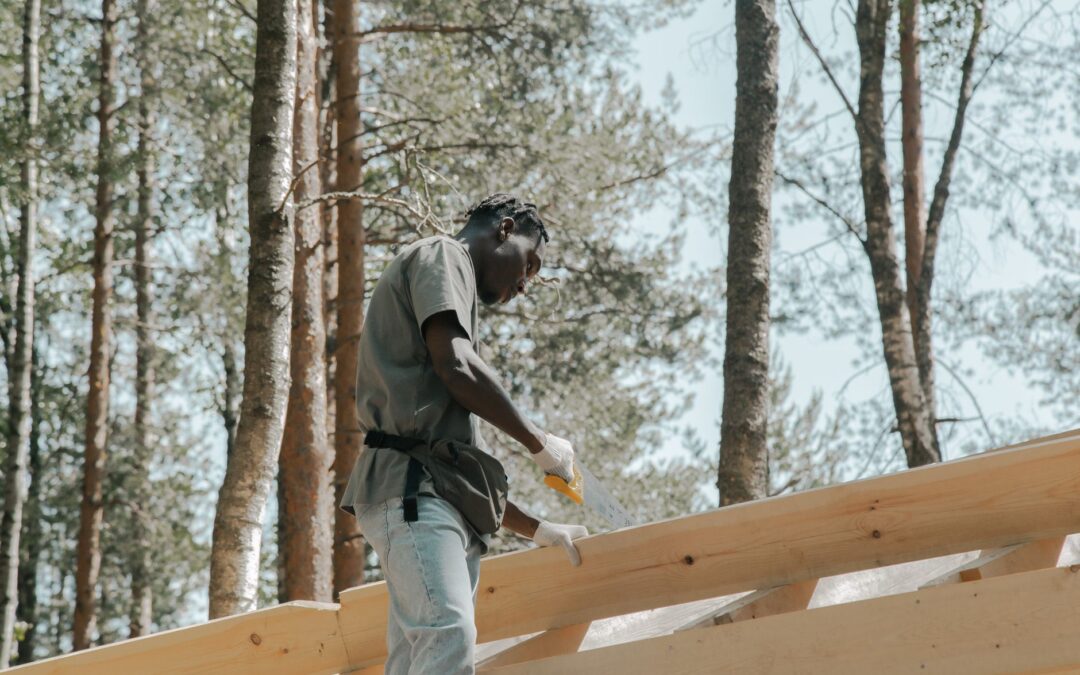
Transforming your outdoor living space often begins with a well-designed and expertly built deck. For homeowners in Greenville, MI, finding reliable deck building contractors is crucial for ensuring a durable and beautiful addition to their property, built to withstand local seasonal weather and snow loads.
Quick answer: Finding reliable deck building contractors involves seeking experienced local companies that understand Montcalm County regulations, offer diverse material options, and provide expertise in structural elements like footings and railings. Experienced professionals can guide homeowners through design, material selection, and permitting for a durable outdoor living space.
Essential Insights for Deck Building
- Local deck services typically include new installations, replacements, and custom designs.
- Deck material choices range from economical pressure-treated wood to low-maintenance composite and durable hardwoods.
- Permits are generally required for new deck construction in Montcalm County; local contractors can assist with the permitting process.
- Factors like material choice, size, design complexity, and custom features significantly influence total project costs.
- Choosing experienced professional deck installers ensures structural quality, adherence to local building codes, and peace of mind.
What Deck Building Services Are Available?
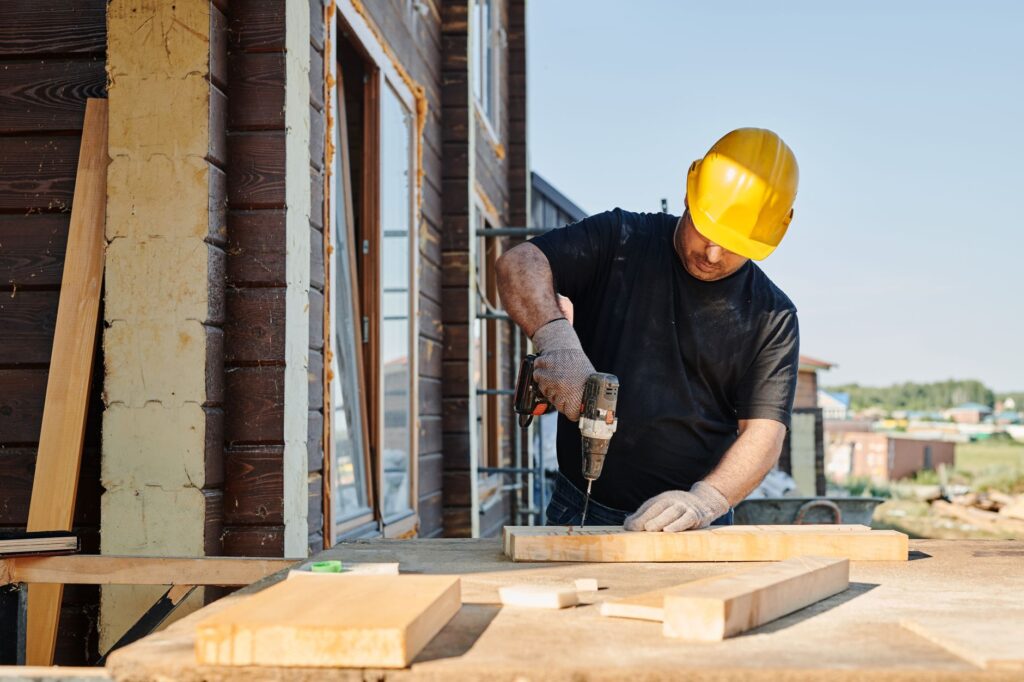
Local deck construction companies offer a comprehensive range of services to meet diverse homeowner needs. These services typically include new deck installation, where contractors design and build structures from the ground up, tailored to your home's architecture and your lifestyle.
Beyond new construction, many professional deck installers also provide replacement services, which involve safely demolishing an old, unsafe, or worn-out structure and replacing it with a modern, sturdy design. Custom deck design is another key offering, allowing homeowners to create unique outdoor spaces with features like multi-level platforms, integrated seating, or specialized railing systems. Additionally, contractors may offer repairs, maintenance, and seasonal inspections to ensure long-term safety.
Understanding Deck Installation Costs
The total cost to build a deck varies significantly based on factors such as material choice, overall square footage, design complexity, and custom features. The complete investment encompasses materials, labor, site preparation, and necessary building permits.
Pressure-treated wood generally serves as the most economical upfront option, while composite decking, cedar, and exotic hardwoods require a larger initial investment in exchange for enhanced aesthetics or lower long-term maintenance. Because project parameters vary widely, obtaining a detailed quote from a local contractor is essential for establishing an accurate budget.
What Are the Best Deck Materials for West Michigan Homes?
Choosing the best deck materials involves balancing aesthetics, maintenance requirements, and durability against the local climate. Given West Michigan's seasonal weather fluctuations, materials that resist moisture, temperature changes, and insect damage are highly favored.
Composite decking, made from wood fibers and plastic, is a popular choice due to its durability and minimal maintenance demands. It offers resistance to fading, staining, mold, insects, and weathering. Pressure-treated wood remains a practical, budget-conscious choice that resists rot and insects, though it requires regular sealing and staining. Natural woods like Cedar offer classic organic beauty but require routine maintenance. Exotic hardwoods provide exceptional natural strength and density, requiring periodic conditioning. Additionally, PVC decking provides strong waterproofing and scratch resistance, while fiberglass is often utilized for specialized applications like rooftop or pool decks.
| Deck Material | Maintenance Level | Key Characteristics |
|---|---|---|
| Pressure-Treated Wood | Moderate to High | Cost-effective and treated to resist rot and insects; requires routine sealing and staining. |
| Composite Decking | Low | Made from wood fibers and plastic polymers; resistant to fading, staining, mold, and rot without routine restaining. |
| Exotic Hardwoods (e.g., Ipe) | Moderate | Dense and naturally durable; offers distinctive grain patterns and requires periodic oiling or sealing. |
| PVC Decking | Low | Synthetic composition offering moisture resistance, scratch resistance, and easy cleaning. |
| Fiberglass | Low | Water-resistant and durable; well-suited for roof decks, sundecks, and areas near water. |
Do You Need a Permit to Build a Deck?
Yes, permits are typically required to build a new deck in Greenville and surrounding Montcalm County municipalities. This requirement ensures that construction adheres to local building codes, zoning setbacks, and structural safety standards.
The process for obtaining a permit generally involves submitting detailed architectural plans—including dimensions, materials, post depths, and framing specifications—to the local building department. A reputable local contractor can assist in preparing documentation, navigating municipal regulations, and ensuring the project complies with all requirements before breaking ground.
What Factors Influence the Cost of a New Deck?
Several key factors influence the overall investment required for a deck project:
The primary cost drivers include the deck's size and complexity; larger builds with intricate layouts, multiple levels, or custom angles require more labor and structural support. Material choice also plays a substantial role, ranging from traditional lumber to premium composites. Site conditions, such as steep slopes or poor soil requiring extensive excavation or deeper footings, can impact labor expenses. Furthermore, adding features such as built-in seating, pergolas, integrated low-voltage lighting, and upgraded railing systems (such as metal balusters or glass panels) will influence the overall project scope.
Enhance Your Home with a Custom Deck
Adding a deck to your home enhances both your everyday lifestyle and property appeal. A well-constructed deck extends your usable living space outdoors, providing an ideal setting for relaxation, family gatherings, and enjoying seasonal Michigan weather.
Decks improve functional space for outdoor dining and entertaining while complementing your home's exterior design. Custom designs allow you to tailor the layout to your specific needs, creating dedicated zones for cooking, lounging, or enjoying the surrounding yard.
Selecting a Local Deck Building Contractor
Choosing the right contractor is paramount for a successful build. Begin by seeking local professionals with proven experience, verified licensing, and comprehensive liability insurance to protect your property during construction.
Review previous project portfolios and client feedback to evaluate craftsmanship and communication standards. A dependable contractor will provide clear written proposals, explain material warranties, and outline realistic timelines for design, permitting, and construction.
The Deck Design and Installation Process
Professional deck design and installation typically follows a structured process to ensure quality and code compliance:
The project begins with an initial consultation to discuss your functional goals, site layout, material preferences, and budget. Following this, the contractor develops a detailed design plan and handles the necessary local permit applications. Once approved, site preparation and framing begin, followed by the installation of decking boards, stairs, railings, and any integrated accessories. The process concludes with a thorough final inspection to confirm safety and structural integrity.
Deck Repair Versus Full Replacement
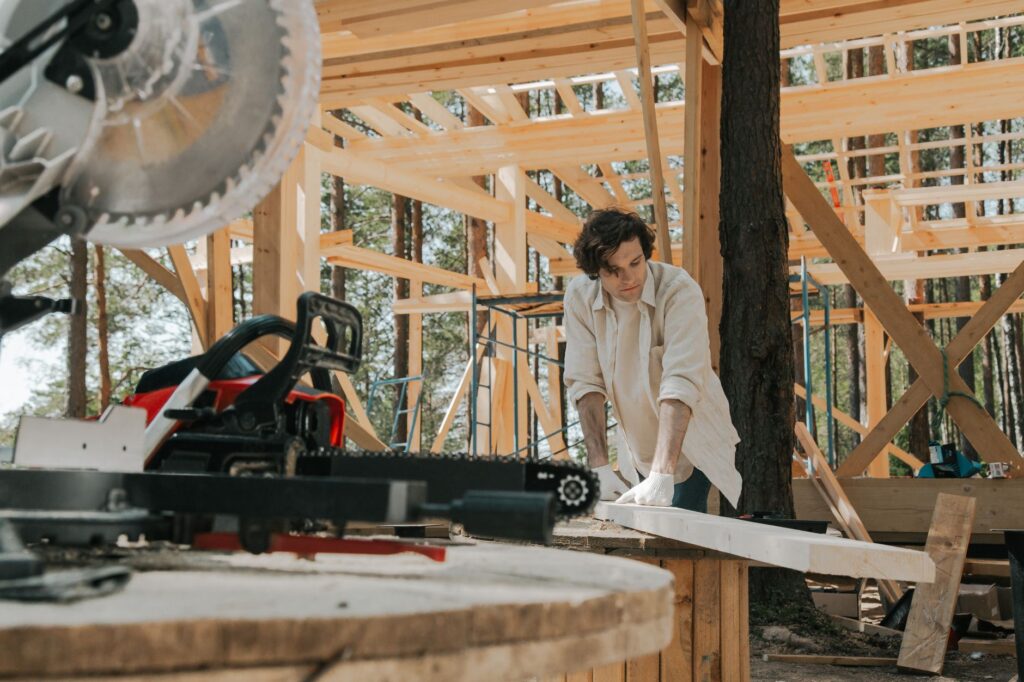
When an existing deck shows signs of aging, determining whether to repair or replace the structure depends heavily on the condition of its underlying framework.
If surface boards are worn or weathered but the substructure, joists, and ledger board remain sound and code-compliant, redecking may be a viable solution. However, if structural posts, joists, or fasteners have suffered rot or severe deterioration, a complete replacement is generally necessary to ensure long-term safety and structural integrity.
Custom Features to Elevate Your Deck Design
Custom features significantly enhance the usability and aesthetics of an outdoor living area, allowing homeowners to personalize their space.
Popular custom additions include built-in perimeter benches and planters, which optimize usable floor space. Integrated low-voltage LED stair and post lighting extends usability safely into the evening hours. Pergolas, privacy screens, and covered sections provide shade and architectural character, while upgraded railing options—such as sleek horizontal cable or aluminum balusters—create clean sightlines across your property.
Frequently Asked Questions
How long does it take to build a new deck?
The construction phase for a typical residential deck often ranges from several days to a few weeks, depending on the project's scale, site conditions, material availability, and weather. The preceding design and permitting phases also require additional lead time.
What is the primary maintenance difference between composite and wood?
Composite decking requires minimal maintenance, typically only needing periodic washing with soap and water to clear surface debris. Traditional wood decking requires ongoing maintenance, including periodic cleaning, staining, and sealing to protect against moisture intrusion and UV degradation.
Can a homeowner build a deck without a contractor?
While DIY construction is permitted in many jurisdictions, deck building requires a working knowledge of local building codes, proper load calculations, ledger attachment techniques, and safe footing depths. Hiring a licensed contractor ensures structural compliance and safe execution.
Do deck contractors assist with the permit process?
Yes, professional contractors generally handle the preparation and submission of construction plans to the local building authority, ensuring all structural specifications meet municipal code requirements.
Expanding Your Vision: Beyond the Deck Structure
While the structural foundation of your deck is essential, a well-planned outdoor space often integrates complementary features to maximize comfort and usability. Modern deck layouts frequently incorporate designated zones for cooking, dining, and relaxing, creating a natural flow between indoor and outdoor living areas.
Integrating outdoor elements such as ambient lighting, weather-resistant furnishings, and protective shade structures helps ensure the space remains functional throughout the seasons. Collaborating with a knowledgeable local builder ensures your deck design harmonizes with your home's architecture while meeting all regional construction standards.