
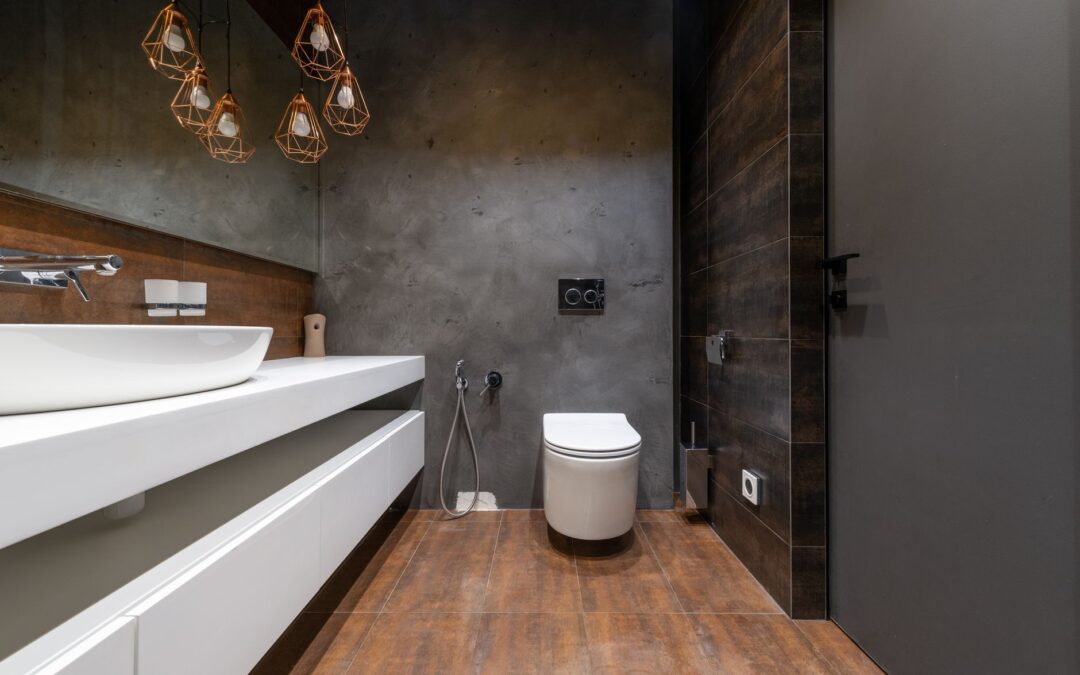
Embarking on a bathroom remodel in Greenville, MI, is an exciting project that can significantly enhance your home's value and functionality. One of the most common questions homeowners ask is how long the process takes. Timelines vary based on scope, complexity, and whether you are completing a full master bath renovation or a smaller powder room update. A typical remodel generally takes 2 to 5 weeks of active construction for a full renovation without major layout changes, extending to 4 to 8+ weeks for projects involving structural modifications or plumbing and electrical relocations. Minor cosmetic updates can often be completed in 1 to 3 weeks.
How Long Does a Typical Bathroom Remodel Take?
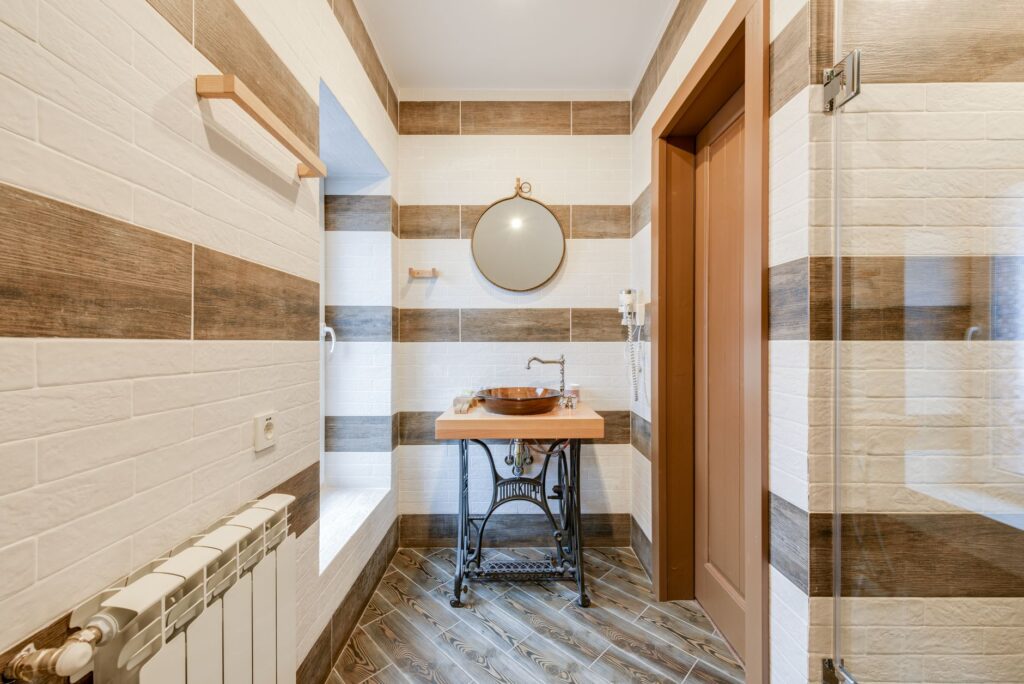
The duration of a bathroom remodel depends heavily on the project's complexity and the extent of changes. Simple cosmetic updates can be completed quickly, while comprehensive renovations require more time for demolition, new installations, and finishing touches. It is important to differentiate between active construction time and the overall project duration, which includes planning, permitting, and material procurement.
Here is a breakdown of typical timelines for various bathroom remodel scopes:
| Remodel Scope | Active Construction Time | Overall Project Duration (Including Planning & Materials) |
|---|---|---|
| Cosmetic Updates (e.g., painting, new flooring, fixture replacement in same location) | 1-3 weeks | 2-4 weeks |
| Standard Remodel (e.g., minor layout changes, new fixtures, some plumbing/electrical updates) | 2-4 weeks | 1-2 months |
| Full Remodel (Existing Layout) (e.g., gutting, new plumbing, electrical, tile, finishes, no layout changes) | 2-5 weeks | 2-3 months |
| Full Remodel (Layout Changes) (e.g., moving walls, relocating plumbing/electrical, significant structural work) | 4-8+ weeks | 3-4+ months |
These timelines are general estimates, and unforeseen conditions can arise. Discovering hidden moisture damage or outdated wiring during demolition can add time to a project's completion for necessary repairs and inspections.
Factors Affecting Your Remodel Timeline
Several critical factors impact how long a bathroom remodel takes. Understanding these elements helps you set realistic expectations:
- Project Scope and Design Complexity: A simple refresh is much faster than a complete overhaul. Custom designs, intricate tile work, or specialty installations naturally extend the timeline.
- Bathroom Size: Larger spaces require more materials and labor, taking longer to complete than compact powder rooms.
- Material Lead Times: Custom cabinets, specialty tiles, unique fixtures, or imported finishes can have extended lead times. Ordering materials early helps avoid scheduling delays.
- Contractor Availability and Scheduling: Coordinating trade schedules for plumbing, electrical, and carpentry influences start and completion dates.
- Permit and Inspection Schedules: When permits are required, municipal review times and inspection scheduling add to the total duration.
- Unforeseen Issues: Hidden problems like water damage, structural deterioration, or outdated plumbing uncovered during demolition must be addressed before work continues.
Do You Need a Permit for a Bathroom Remodel in Greenville, MI?
Permits are often required for bathroom remodels, particularly when work involves changes to plumbing, electrical systems, or structural framing. Compliance ensures the project meets relevant building standards and safety requirements.
- Permits are generally required for:
- Relocating or adding new plumbing lines and fixtures.
- Altering electrical wiring or adding new circuits and outlets.
- Making structural changes, such as moving load-bearing or partition walls.
- Modifying mechanical or ventilation systems.
- Permits are typically not required for:
- Cosmetic updates such as painting or installing new flooring.
- Direct fixture replacements where plumbing connections remain in their existing locations.
- Replacing light fixtures or hardware without altering underlying wiring.
Always verify local requirements with the municipal building department before starting construction. Working with licensed remodeling contractors ensures that applicable permits are pulled and necessary inspections are completed properly.
What Types of Bathroom Remodels Can Be Completed Quickly?
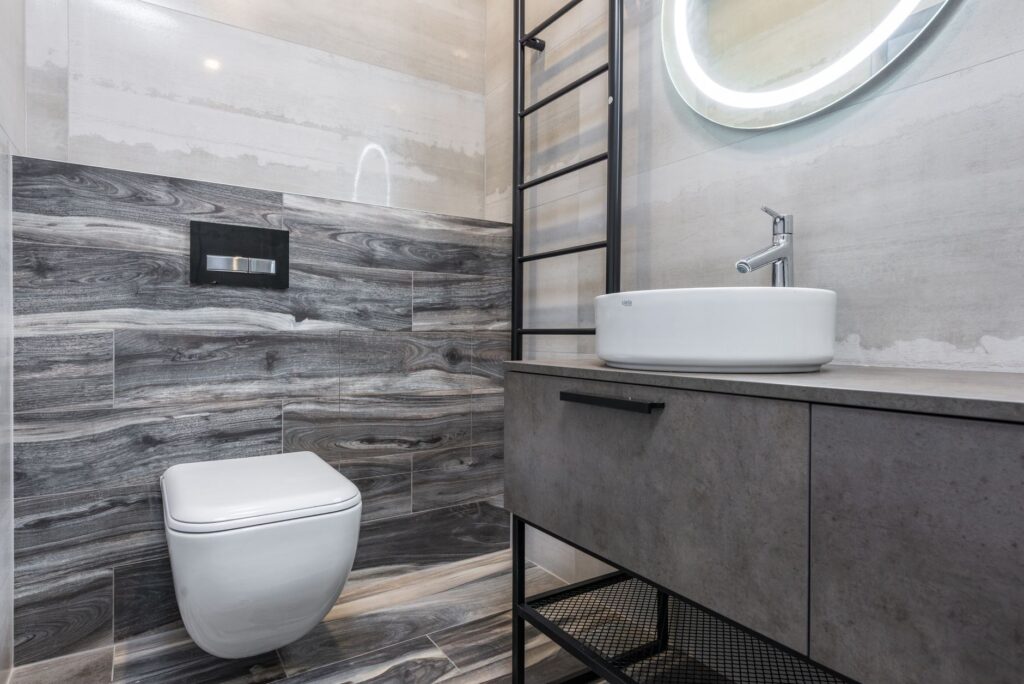
While a full overhaul can take weeks, certain projects focus strictly on surface-level improvements or direct replacements without altering underlying utilities:
- Tub and Shower Liners: Direct insert installations or liner replacements can often be installed in a very short window, minimizing downtime.
- Direct Fixture Swaps: Replacing a toilet, vanity, faucet, or mirror in its existing location is a fast update.
- Painting and Wall Treatments: Applying fresh paint or updated wall coverings can transform the room's appearance in just a few days.
- Surface Flooring: Laying luxury vinyl plank or pre-finished materials over prepared subfloors is typically completed within a few days.
Bathroom Remodel Phases and Durations
A structured bathroom remodel moves through several distinct phases:
- Planning and Design (2-6 weeks): Conceptualizing the layout, selecting materials, finalizing scope, and completing contracts.
- Permit Acquisition (1-4 weeks): Submitting plans for municipal review and securing required permits.
- Material Procurement: Ordering cabinetry, tile, plumbing fixtures, and lighting so items arrive before or during early construction phases.
- Demolition (1-3 days): Removing old fixtures, wall surfaces, and flooring down to the framing or subfloor as needed.
- Rough-In Work (3-7 days): Installing new plumbing lines, electrical wiring, and framing, followed by rough inspections.
- Insulation and Drywall (3-5 days): Hanging moisture-resistant drywall, taping, mudding, and sanding surfaces smooth.
- Flooring and Tiling (3-7 days): Laying subfloor underlayment, setting tile, and allowing grout to cure.
- Cabinetry and Countertops (2-4 days): Installing vanities, storage cabinets, and templated countertops.
- Trim and Fixture Installation (2-4 days): Setting the toilet, connecting sinks and faucets, installing lighting, and mounting hardware.
- Finishes and Punch List (1-3 days): Final paint touch-ups, cleanup, and walkthrough inspection to address minor details.
How to Minimize Delays During Your Remodel
Proactive planning and clear communication help keep a renovation on schedule:
- Finalize Design Early: Decide on all fixtures, finishes, and layouts before demolition starts to prevent mid-project change orders.
- Confirm Material Delivery: Verify that key items, especially custom orders, are delivered or ready for dispatch before opening walls.
- Plan for Contingencies: Maintain flexibility in your schedule and budget for unexpected structural or plumbing repairs.
- Maintain Clear Communication: Keep regular contact with your contractor to answer questions and approve details promptly.
Frequently Asked Questions
How much does a bathroom remodel cost?
Costs vary widely depending on the size of the room, chosen materials, and whether plumbing or structural configurations change. Minor cosmetic refreshes require a lower investment, while full structural renovations and custom tile work increase overall costs. Detailed contractor estimates based on your specific plan provide the clearest budget guidance.
Can I live in my home during a bathroom remodel?
Yes, most homeowners remain in their homes during a remodel. However, expect periodic noise, dust, and utility shut-offs. If the home has only one bathroom, coordinate with your contractor early regarding temporary accommodations or timing for essential fixture availability.
When should planning begin for a bathroom remodel?
Starting the planning process 2 to 3 months before your desired construction start date allows sufficient time to finalize designs, select materials, secure permits, and finalize contractor scheduling.
Design Trends and Project Considerations
Modern bathroom renovations often combine functional updates with long-lasting design choices. Many homeowners incorporate accessible design elements, such as curbless showers, wider entryways, and comfort-height fixtures, which improve usability over time.
Water-efficient fixtures, updated ventilation systems, and smart lighting controls also add everyday convenience while improving energy and water efficiency. Reviewing design options and financing avenues early in the process ensures your remodel meets both functional needs and long-term household plans.