
For homeowners in Greenville, Michigan, deciding on the right material for a new deck is a significant choice. Among the most popular options, pressure-treated wood offers a balance of affordability and durability. This guide explores the specific pressure treated wood deck pros cons Greenville residents should consider, helping you make an informed decision for your outdoor living space.
Quick answer: Pressure-treated wood is a cost-effective and durable choice for decks in Greenville, MI, offering robust resistance to rot, insects, and fungal decay due to chemical treatment. While it requires regular maintenance like sealing and staining to maximize its lifespan and appearance, it remains a popular option for its natural aesthetic and structural integrity.
Key Takeaways
- Pressure-treated wood is budget-friendly and widely available, making it a common choice for decks in Greenville, MI.
- Its chemical treatment provides protection against rot, insect infestation, and fungal growth, which is helpful in Michigan's varied climate.
- Despite its durability, pressure-treated wood requires consistent maintenance, including cleaning, sealing, and staining, to prevent warping, cracking, and fading.
- With proper care, a pressure-treated wood deck can last for years in Michigan.
- While more labor-intensive to maintain than composite deck materials, its natural wood look is often preferred by homeowners.
What Are the Advantages of a Pressure-Treated Wood Deck in Greenville, MI?
Choosing pressure-treated wood for a deck in Greenville, Michigan, comes with several advantages, primarily centering on its durability, cost-effectiveness, and natural aesthetic appeal. These benefits make it a common choice for homeowners seeking an outdoor living space.
Durability and Resistance to Michigan's Climate
The primary advantage of pressure-treated wood lies in its enhanced resistance to common decking issues. During the treatment process, wood is infused with chemical preservatives under pressure to penetrate the fibers. This process helps fortify the wood against moisture, insects, and fungal decay. For Greenville, MI homeowners, this means a deck that can better withstand Michigan winters, spring thaws, and humid summers without succumbing to rot or insect damage as quickly as untreated wood. This treatment extends the usable life of the wood beyond that of untreated lumber, making it a reliable option for outdoor structures.
Cost-Effectiveness
Compared to other popular deck materials such as composite decking that Greenville, Michigan homeowners might consider, pressure-treated wood generally offers a more budget-friendly upfront cost. This makes it an attractive option for those looking to build a substantial deck without a prohibitive initial investment. The widespread availability of pressure-treated lumber also contributes to its competitive pricing, allowing for flexibility in project budgeting.
Versatility and Natural Aesthetics
Pressure-treated wood retains the natural look and feel of real wood, which many homeowners find appealing. Its surface can be stained or painted to match exterior designs, offering a high degree of customization. Whether you prefer a natural wood tone, a rich cedar color, or a contemporary gray, pressure-treated wood can adapt to your aesthetic preferences. Furthermore, its workability allows skilled builders to cut, fasten, and install it across diverse deck layouts and structures.
What Are the Disadvantages of Pressure-Treated Wood for Decks?
While pressure-treated wood offers many benefits, it also comes with drawbacks that homeowners in Greenville, MI, should be aware of. These often relate to maintenance, potential aesthetic changes, and environmental considerations.
Required Ongoing Maintenance
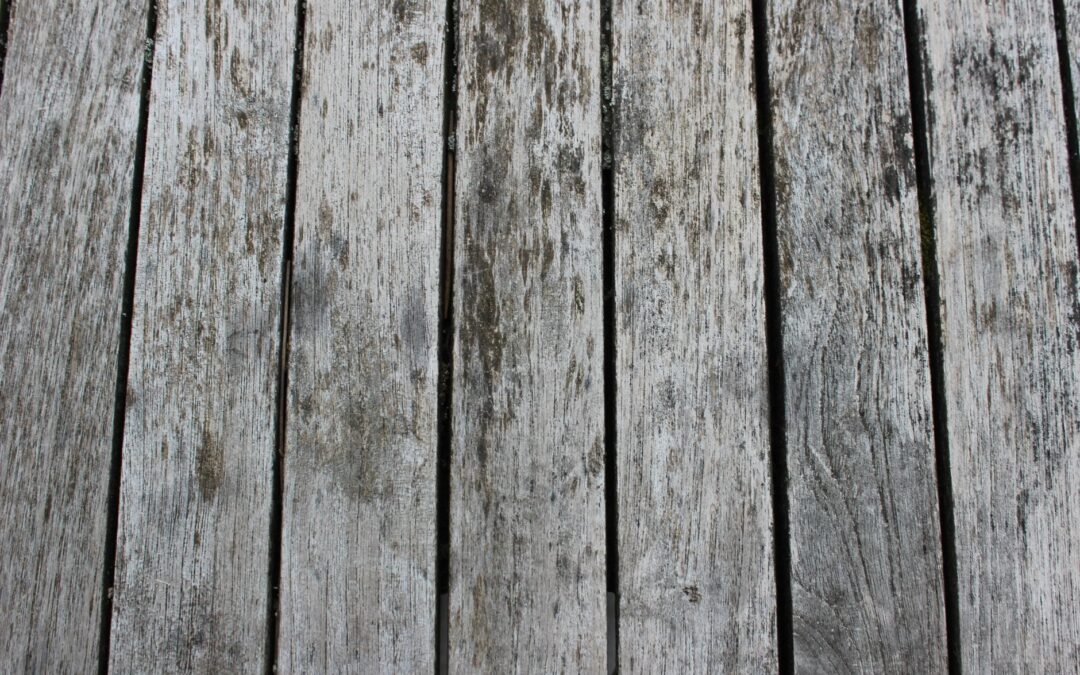
One of the primary disadvantages of pressure-treated wood is its need for regular maintenance. To preserve its appearance and extend its lifespan, a pressure-treated deck requires routine cleaning, and typically needs to be sealed or stained every few years. Without this consistent care, the wood can be susceptible to weathering effects such as fading, graying, warping, cracking, and splintering. This ongoing upkeep is a factor that often leads homeowners to consider composite alternatives known for lower maintenance demands.
Potential for Warping, Cracking, and Splintering
Despite treatment, pressure-treated wood remains a natural product that responds to environmental conditions. Fluctuations in temperature and humidity, common in Michigan's climate, cause the wood to expand and contract. Over time, this natural movement can lead to warping, twisting, checking (small cracks), and splintering, especially if the wood is not regularly maintained.
Environmental and Chemical Considerations
The preservatives used in pressure treatment help prevent decay, and modern formulations are designed with updated standards in mind. However, some homeowners still take chemical treatments into account when planning outdoor spaces for children or pets. Additionally, the disposal of old pressure-treated wood can be subject to specific local waste regulations, making it important to follow proper guidelines during renovations or removal.
How Long Can a Pressure-Treated Wood Deck Be Expected to Last in Michigan's Climate?
With proper installation and consistent maintenance, a pressure-treated wood deck can provide years of reliable use in Michigan. Its total lifespan is directly influenced by installation quality, local weather exposure, and regular upkeep.
The preservatives infused into the wood help protect against rot, fungal growth, and insect infestation. However, exposure to Michigan's freeze-thaw cycles, heavy snowfall, and summer humidity without adequate sealing can accelerate wear. Routine cleaning and the reapplication of a quality water repellent or stain protect the wood surface from moisture absorption, UV degradation, and weather-related stress.
What Specific Maintenance is Required for a Pressure-Treated Wood Deck?
Maintaining a pressure-treated wood deck in Greenville, MI, involves a straightforward routine to protect your investment and maintain its appearance across changing seasons.
Key maintenance steps include:
- Regular Cleaning: Clean your deck periodically to remove accumulated dirt, mildew, and algae. Use a deck cleaner formulated for pressure-treated wood or a mild cleaning solution. Ensure debris, leaves, and organic matter are cleared from gaps between boards to prevent trapped moisture.
- Sealing and Staining: After thorough cleaning and adequate drying time, apply a quality water repellent, sealer, or stain. This step helps protect the wood from UV damage and moisture absorption, reducing the risk of cracking and warping over time.
- Inspecting for Wear: Periodically inspect the deck for loose fasteners, splintering boards, or damaged sections. Addressing issues early makes repairs simpler and keeps the structure secure.
- Managing Surrounding Vegetation: Keep nearby plants, shrubs, and tree branches trimmed back from the deck. Good clearance prevents sap and debris accumulation and promotes proper airflow around the wood.
Frequently Asked Questions
Is pressure-treated wood safe for residential decks?
Modern pressure-treated wood formulations are commonly used for residential deck construction. It is standard practice to follow safe handling guidelines, wash hands after working with lumber, and avoid burning treated wood scraps.
Can I paint a pressure-treated wood deck?
Pressure-treated wood can be painted once the lumber has thoroughly dried after installation. Applying stain or paint to damp lumber can cause premature peeling. Staining is also a popular option because it highlights the natural wood grain while offering surface protection.
How soon after installation can I seal a pressure-treated deck?
It is generally recommended to wait until the wood has dried sufficiently after installation before applying a sealer or stain. A simple water test can help determine readiness: if water drops soak into the wood rather than beading on the surface, the deck is typically ready for sealing.
Is pressure-treated wood good for Michigan weather?
Pressure-treated wood is widely used in Michigan due to its resistance to moisture, rot, and insects. Proper sealing and ongoing care help it handle seasonal temperature shifts, rain, and snow.
What is the difference between pressure-treated wood and composite decking?
Pressure-treated wood is natural lumber treated with preservatives, offering a traditional wood appearance and lower upfront material costs with ongoing maintenance needs. Composite decking blends wood fibers and plastic, offering low maintenance requirements at a higher initial price point.