
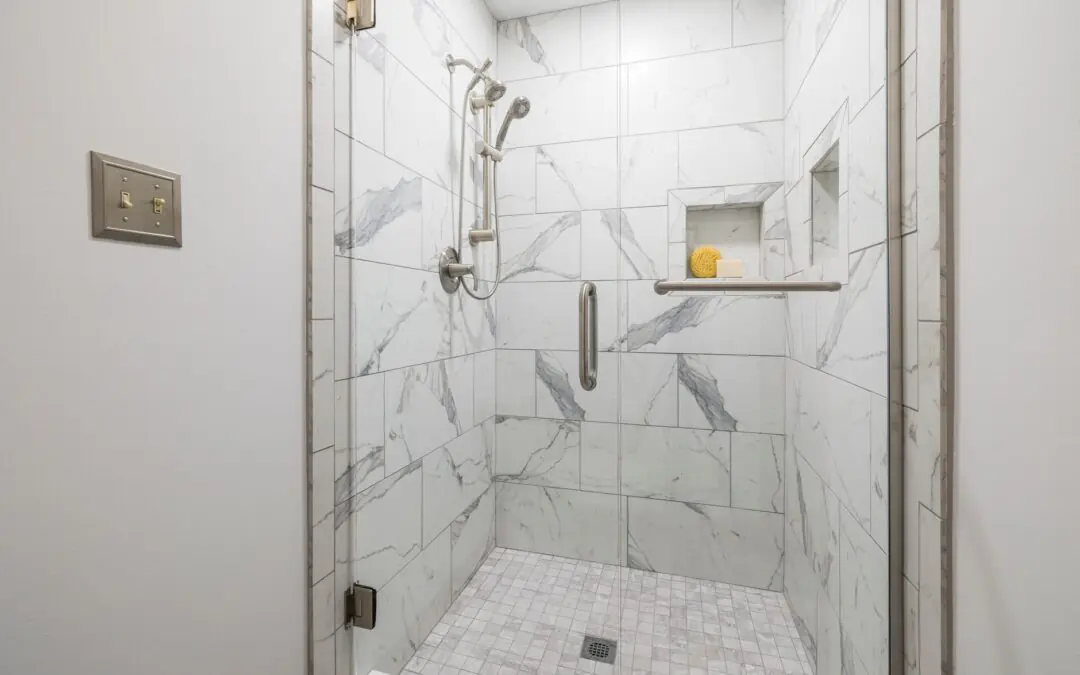
Upgrading your bathroom with a new shower installation is a significant home improvement that enhances both aesthetics and functionality. For homeowners in Greenville, MI, understanding the options, materials, and process involved is key to a successful project.
Key Benefits of Shower Installation in Greenville, MI
- Shower installation projects range from basic prefabricated replacements to custom luxury renovations.
- Material choice, labor, and structural modifications are primary factors affecting overall project scope.
- Permits are typically required for significant plumbing, electrical, or structural changes.
- Accessibility features like zero-threshold entries and grab bars can improve long-term safety and usability.
Planning a Shower Installation
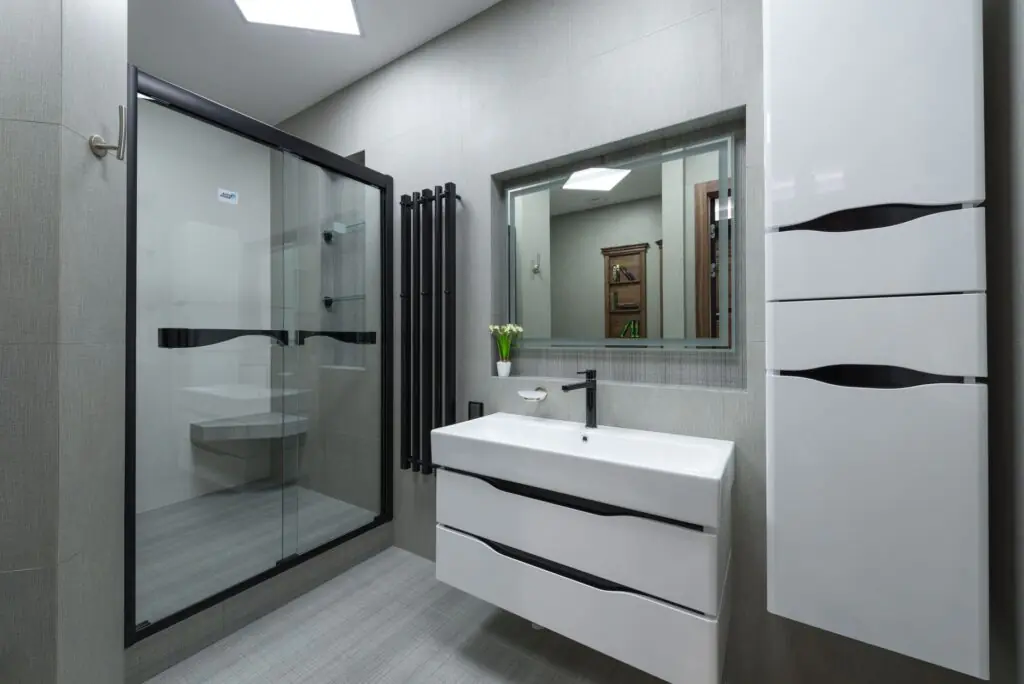
The scope of a shower installation varies widely based on the complexity of the design and the condition of the existing space. Projects generally fall into several categories:
- Basic Installation or Replacement: Installing a new pre-fabricated shower unit with minimal structural or plumbing adjustments.
- Mid-Range Remodel: Incorporating upgraded fixtures, new enclosures, and partial tiling work.
- Custom Renovation: Designing a tailored layout with premium materials, custom tile work, specialty glass enclosures, and advanced plumbing features.
Cost and Scope Factors for Shower Installation
Several key factors influence the overall requirements and investment for a shower installation or renovation project:
- Materials Chosen: The type and quality of materials, from shower walls and flooring to fixtures and doors, play a major role. Ceramic and porcelain tiles offer different maintenance and installation needs compared to natural stone, acrylic panels, or custom glass enclosures.
- Labor Requirements: The complexity of the installation and the specialized skills required directly affect project timelines. Intricate tile patterns or framing adjustments require additional labor.
- Size and Configuration: Larger showers or layouts requiring relocation of drain lines and supply pipes demand more extensive preparation and materials.
- Existing Conditions: Demolition of an older shower may uncover hidden moisture, rot, or subfloor damage that must be repaired before new work proceeds.
- Fixture Selection: High-efficiency showerheads, multi-outlet thermostatic valves, and custom doors alter both material requirements and installation complexity.
- Permitting: Projects involving structural alterations or modified utility lines require municipal permits to ensure code compliance.
Types of Shower Installation Services
Homeowners have access to a variety of shower installation options catering to different architectural layouts and accessibility needs:
- Standard Alcove Showers: Typically three-walled showers utilizing pre-fabricated shower pans and wall surrounds, ideal for efficient space use.
- Corner Showers: Designed to fit into a bathroom corner to maximize floor area in compact bathrooms.
- Walk-In Showers: Featuring low or minimal thresholds, offering an open feel and easier entry.
- Tub-to-Shower Conversions: Involves removing an existing bathtub and replacing it with a standalone shower to optimize usable space and modernize accessibility.
- Custom Tile Showers: Built on-site to exact dimensions, allowing personalized patterns, niche storage, and material combinations.
- Barrier-Free/Roll-In Showers: Designed with zero threshold to accommodate wheelchairs and eliminate trip hazards.
What Is the Typical Process for a Shower Installation Project?
A typical shower installation project follows a structured process to ensure proper waterproofing and long-term durability:
- Initial Consultation and Design: Measurements are taken, layout requirements are reviewed, and material options (such as tile, acrylic, or solid surface) are selected.
- Demolition: If replacing an existing shower, old fixtures, surrounding wall boards, and damaged sub-structures are removed.
- Plumbing and Structural Preparation: Supply lines and drains are inspected or relocated. Framing is reinforced to support shower doors, benches, or grab bars.
- Waterproofing and Base Installation: The shower pan or mortar bed is set, accompanied by membrane waterproofing on the floor and wet walls to prevent moisture migration.
- Finishing Materials Installation: Wall panels or tiles are installed and grouted. Valves, trim, and showerheads are connected.
- Enclosure Installation: Shower doors, glass panels, or curtain hardware are securely anchored and sealed.
- Final Inspection: Plumbing connections are tested under pressure, drainage is verified, and the installation is reviewed for quality.
Benefits of Upgrading Your Shower
Upgrading or replacing an outdated shower offers several advantages:
- Improved Aesthetics: Modern materials and clear glass enclosures brighten the room and update the overall interior style.
- Enhanced Functionality: Modern showerheads and thermostatic valves provide consistent water pressure and precise temperature management.
- Better Accessibility: Walk-in designs and low thresholds improve daily safety for residents of all ages.
- Water Efficiency: Contemporary fixtures can deliver effective spray patterns while using less water.
- Moisture Management: New waterproofing membranes, modern backer boards, and proper seals help protect adjacent structures from moisture intrusion.
Permit Considerations for Shower Remodeling
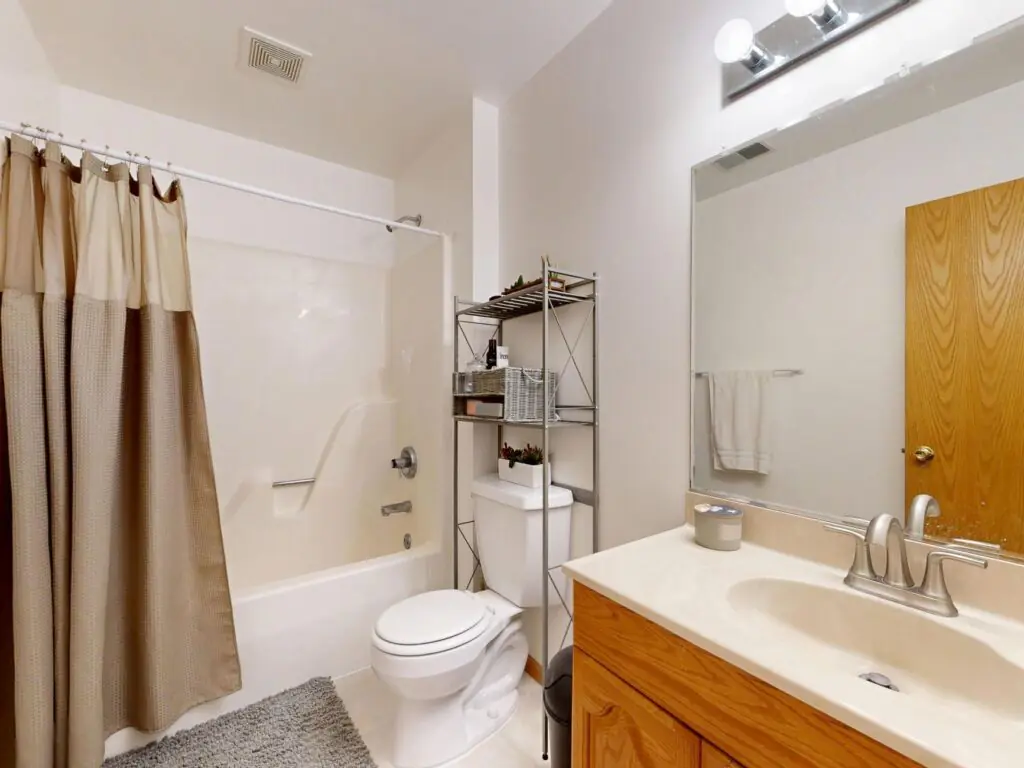
Most significant shower remodeling projects require building and trade permits to verify that work complies with local building, plumbing, and electrical codes.
Permits are generally needed for tasks involving:
- Relocating, extending, or altering water supply and drainage lines.
- Modifying wall framing or altering the structural footprint.
- Installing or updating dedicated electrical circuits for lighting, ventilation, or steam systems.
- New bathroom additions where no plumbing previously existed.
Cosmetic updates that do not alter plumbing or wall structures, such as swapping out a shower door or updating hardware, typically do not require permits. Homeowners should consult the local municipal building department or a licensed contractor to verify specific local requirements.
Accessible Shower Installation Features
Accessible shower installations provide safety, comfort, and independence for individuals with mobility challenges or those planning to age in place.
Common features include:
- Curbless or Low-Threshold Pans: Eliminating the step allows easy passage for wheelchairs and walkers while reducing fall risks.
- Reinforced Grab Bars: Installed directly into structural backing to provide stable support throughout the enclosure.
- Built-In or Fold-Down Seating: Offers a stable seating area during bathing.
- Handheld Shower Wands: Mounted on slide bars to allow comfortable use from either a seated or standing position.
- Slip-Resistant Flooring: Textured tile or specially finished shower bases provide better footing in wet conditions.
Common Shower Materials
A wide array of materials is available for shower installations, each offering distinct advantages in terms of maintenance, durability, and appearance:
- Tile (Ceramic, Porcelain, Natural Stone): Offers extensive design flexibility. Porcelain and ceramic resist moisture well, while natural stone provides unique textures and requires periodic sealing.
- Acrylic and Fiberglass: Lightweight, pre-molded units and panels that offer smooth, seamless surfaces for easy cleaning.
- Solid Surface and Engineered Stone: Durable, non-porous panels that minimize grout lines and resist staining and moisture penetration.
- Tempered Glass: Used for framed, semi-frameless, and frameless enclosures to keep water contained while maintaining an open visual feel.
Design Features, Ventilation, and Maintenance
Modern shower spaces often integrate features designed for comfort, longevity, and simplified upkeep:
- Integrated Storage: Recessed wall niches and corner shelves keep personal items organized without encroaching on shower space.
- Proper Ventilation: Exhaust fans sized appropriately for the bathroom volume remove humid air quickly, preventing moisture accumulation on walls and ceilings.
- Waterproofing Systems: Modern installations utilize continuous sheet membranes or liquid-applied waterproof barriers behind tile installations to protect the building envelope.
Frequently Asked Questions
How long does a shower installation take?
A straightforward replacement using a prefabricated unit can often take a few days, while custom tile showers requiring extensive masonry, waterproofing, and curing time generally take one to two weeks or longer depending on project complexity.
When should a professional contractor be hired for shower installation?
Projects involving plumbing alterations, subfloor modifications, structural framing, or comprehensive tile waterproofing are best handled by licensed professionals to ensure code compliance and watertight construction.
What is involved in a tub-to-shower conversion?
A tub-to-shower conversion involves removing the bathtub, reconfiguring the drain and water supplies for a shower base, installing waterproof wall backer, and fitting the new enclosure.
What maintenance does a tile shower require?
Tile showers require regular cleaning with non-abrasive cleaners, routine inspection of perimeter caulk joints, and periodic resealing of grout and natural stone surfaces to maintain water resistance.
References
- City of Greenville, Michigan Building Department: https://www.greenvillemi.org/departments/building-department/
- Americans with Disabilities Act (ADA) Accessibility Guidelines: https://www.ada.gov/resources/accessibility-standards/ada-standards/
Ensuring Lasting Quality: Maintenance, Licensing, and Local Considerations
A successful shower installation in Greenville, MI, extends far beyond the final fixture placement; it encompasses long-term care and the assurance of working with qualified professionals. To maximize the lifespan and beauty of your new shower, understanding proper post-installation maintenance is key. Regular cleaning with appropriate products, timely re-sealing of grout lines, and consistent use of your bathroom's ventilation system are crucial steps to prevent mold, mildew, and water damage, preserving your investment for years to come.
Furthermore, when selecting a Greenville bathroom remodeling company, always verify their licensing, bonding, and insurance. A reputable contractor will carry general liability insurance and workers' compensation, providing peace of mind and protection for homeowners. In addition to professional credentials, consider the environmental aspect of your renovation. Responsible waste management practices during demolition and construction, including recycling suitable materials, contribute to a more sustainable project. Finally, local factors like water hardness in Greenville, MI, can influence the longevity of fixtures and the frequency of cleaning needed, making material choice and ongoing care even more important.