
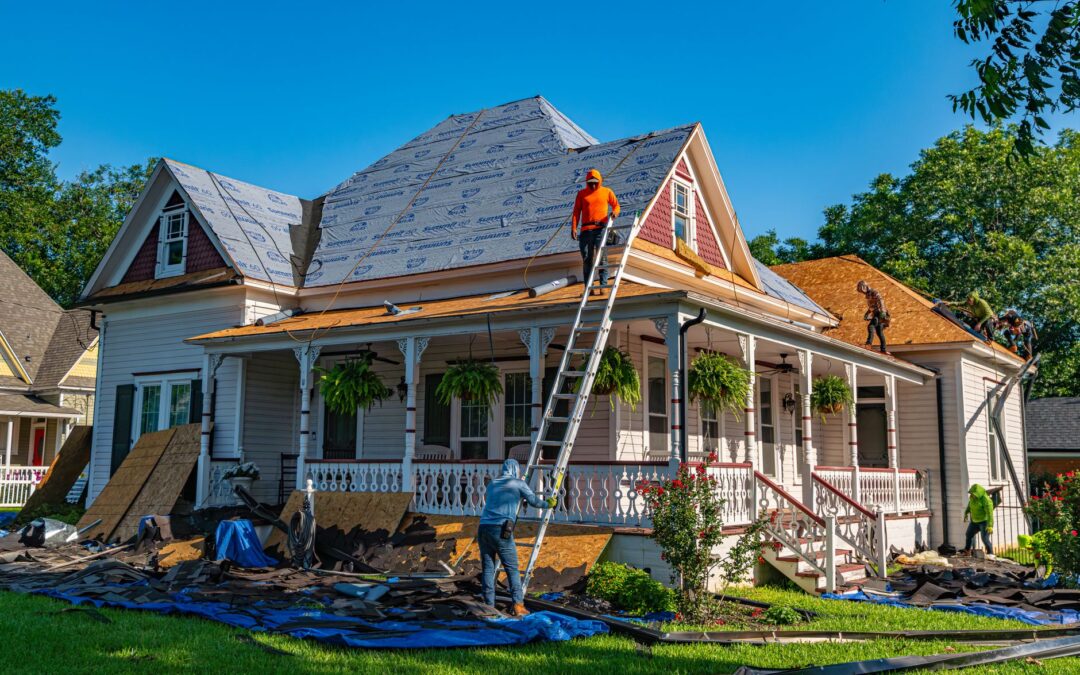
Understanding the potential investment for exterior home improvements is crucial when planning a project. When considering siding replacement, numerous factors contribute to the overall project expense, from material choices like vinyl, fiber cement, and engineered wood siding, to labor and home-specific complexities. Homeowners should also factor in the importance of siding warranty coverage and explore financing options to understand the total cost of ownership.
Key Siding Replacement Cost Factors
- Siding replacement costs are primarily driven by material choice, home size, and labor.
- Vinyl siding generally offers a budget-friendly option, while fiber cement and wood represent a higher initial investment.
- Factors like existing siding removal, structural repairs, and intricate architectural details increase project complexity and cost.
- Obtaining detailed, on-site quotes from local contractors is essential for planning an accurate budget.
- New siding can improve curb appeal, energy efficiency, and protect your home from regional weather conditions.
What Determines the Cost to Replace Siding?
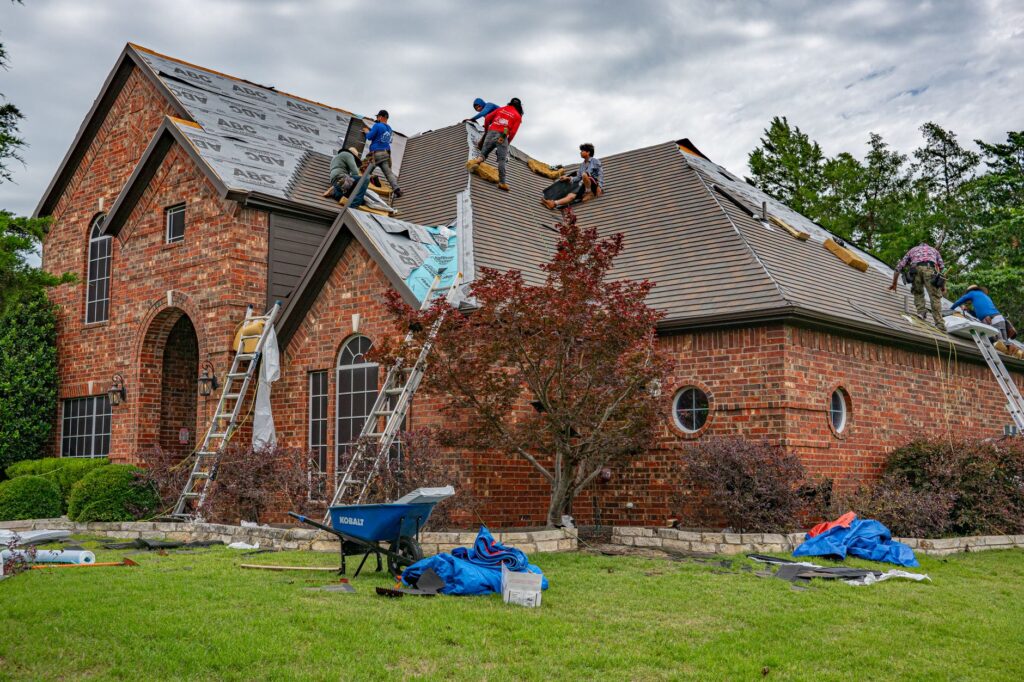
Pinpointing an exact cost for siding replacement is challenging because every home and project is unique. Overall costs depend on material selections, regional labor rates, and the total scope of work involved.
For instance, a smaller home opting for standard vinyl siding will incur a lower overall expense than a larger, multi-story residence requiring premium fiber cement or natural wood siding. Obtaining a detailed, on-site estimate is the most reliable way to budget for a specific project.
How Siding Materials Affect Replacement Cost
The choice of siding material is a primary factor influencing the total cost of a replacement project. Each material offers distinct aesthetic qualities, durability, energy efficiency, and price points.
Vinyl Siding
Vinyl siding remains a common choice due to its balance of affordability, versatility, and low maintenance requirements. It comes in a wide array of colors and styles, mimicking the look of wood without the intensive upkeep. Installation is typically straightforward, contributing to its overall cost-effectiveness.
- Pros: Budget-friendly, low maintenance, wide color selection, durable against rot and pests.
- Cons: Can crack in extreme cold temperatures, less rigid than heavier options, may fade over time.
- Cost Impact: Generally the most economical option, making it accessible for many budgets.
Fiber Cement Siding
Fiber cement siding offers high durability and a classic appearance. It is composed of cement, sand, and cellulose fibers, making it resistant to fire, pests, and harsh weather conditions. While its upfront cost is higher than vinyl, its longevity provides strong long-term value.
- Pros: Durable, fire-resistant, pest-resistant, weather-resistant, long lifespan, can mimic wood grain.
- Cons: Higher material and installation costs; heavier material requires specialized installation methods.
- Cost Impact: A mid-to-high range option representing an investment in durability and protection.
Wood Siding
Wood siding, including options like cedar shakes or clapboard, provides a classic, natural aesthetic. It requires regular maintenance, such as painting, staining, or sealing, to protect the wood from moisture, pests, and rot.
- Pros: Natural beauty, good insulation properties, relatively easy to repair, variety of styles.
- Cons: Requires regular maintenance, susceptible to rot and pests without proper care, higher initial cost than vinyl.
- Cost Impact: Often a higher-end material choice, with ongoing maintenance requirements to consider.
Comparison of Siding Materials
Here is a general comparison of how different siding materials typically rank in terms of overall project expense:
| Siding Material | Relative Cost (Material & Installation) | Key Benefit |
|---|---|---|
| Vinyl Siding | Low to Moderate | Affordability, Low Maintenance |
| Fiber Cement Siding | Moderate to High | Durability, Weather Resistance, Fire Resistance |
| Wood Siding | High | Natural Aesthetics, Traditional Appearance |
Additional Project Cost Factors
Beyond material selection, several other critical factors influence the final cost of a siding replacement project:
Home Size and Architectural Complexity
The square footage of your home's exterior directly affects material and labor requirements. Homes with intricate architectural details—such as multiple gables, bay windows, dormers, or unique angles—require additional labor time. Multi-story homes also require additional staging equipment and safety measures.
Existing Siding Removal and Disposal
If existing siding must be stripped down before new materials can be installed, the project will require additional labor for demolition and disposal fees for hauling away old materials.
Labor and Regional Installation Rates
Labor rates vary based on local market conditions, crew experience, and project complexity. Proper installation helps ensure the long-term performance and weather resistance of the siding system.
Structural Repairs and Preparation
Before new siding is installed, the underlying structure must be inspected. If rot, mold, or damaged sheathing is uncovered during demolition, repairs must be completed to ensure structural integrity.
Insulation and Underlayment
Adding or upgrading weather barriers, underlayment, or rigid foam insulation beneath new siding can improve thermal performance and enhance home energy efficiency.
Trim, Soffit, Fascia, and Accessories
A full exterior update often includes replacing trim around windows and doors, along with soffit and fascia boards. These components provide proper attic ventilation and create a finished exterior appearance.
Permits and Municipal Requirements
Major exterior renovations often require local building permits to confirm that the work complies with applicable safety and building codes.
Choosing a Local Siding Contractor
Working with an established local contractor offers practical benefits. Local professionals are familiar with regional building codes and climate conditions. They are also accessible for follow-up service, inspections, and warranty support.
Frequently Asked Questions
How long does siding replacement typically take?
The timeline varies based on home size, architectural complexity, and weather conditions. A full project often takes between one and three weeks, though custom trim work or unexpected structural repairs can extend that duration.
Does new siding increase home value?
New siding can improve a home's curb appeal, energy efficiency, and exterior protection, making it a valuable upgrade for many homeowners.
What are the common signs that siding needs replacement?
Warning signs include visible cracks, warping, rot, loose panels, persistent moisture behind boards, or peeling interior paint caused by exterior water intrusion.
Can siding replacement be completed as a DIY project?
Siding replacement requires specialized tools, proper flashing techniques, and an understanding of moisture management. Professional installation helps avoid moisture entrapment and ensures compliance with manufacturer warranty requirements.
Are energy-efficient siding options available?
Yes. Insulated vinyl siding, fiber cement paired with exterior insulation, and quality weather-resistant barriers help improve a home's thermal boundary and reduce air infiltration.
Siding Brands, Warranties, and Financing
Specific manufacturers offer varying levels of product quality, color retention technology, and warranty coverage. Reviewing manufacturer warranties on materials alongside your contractor's labor warranty provides protection for your investment.
Financing options, such as home improvement loans or contractor payment plans, can help spread out project costs. Homeowners may also want to explore regional energy efficiency programs for incentives related to exterior insulation upgrades.
Styles, Standards, and Sustainability
Modern siding is available in diverse architectural styles, including horizontal lap, vertical board and batten, and shake profiles. Selecting a style that complements the home's architecture preserves aesthetic harmony.
Industry standards, such as certifications from the Vinyl Siding Institute (VSI), ensure installers follow verified practices for fastening and expansion management. Sustainable options, including recyclable materials and long-lasting composite products, also provide durable solutions for modern exterior renovations.