
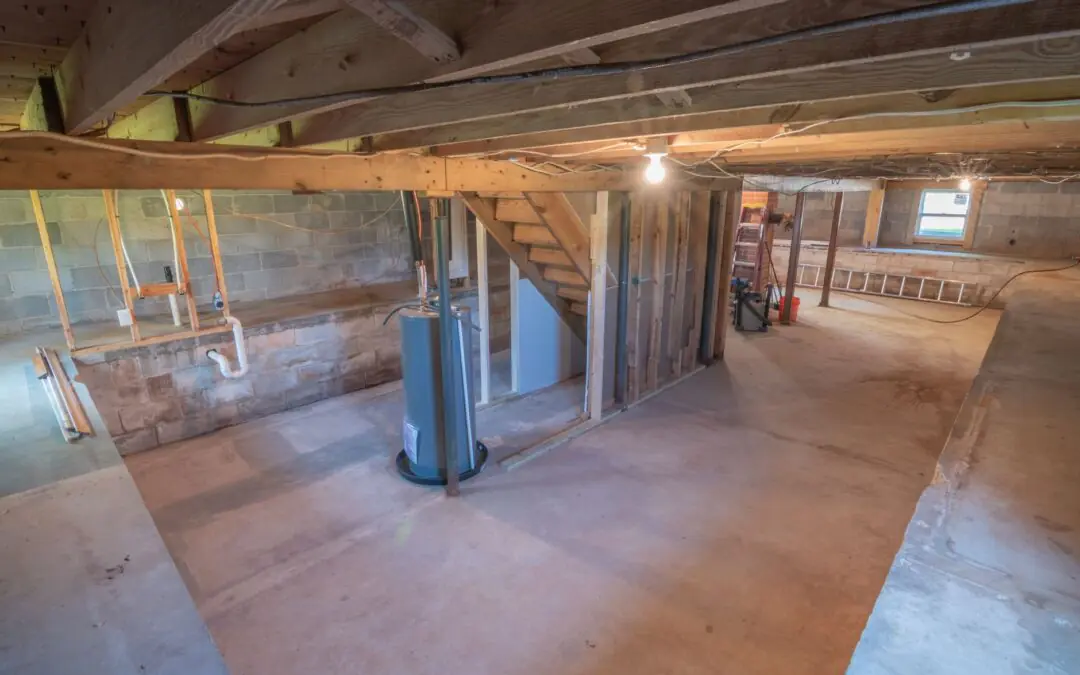
Transforming a damp, unused basement into a functional living area requires a strategic approach that combines effective waterproofing with quality remodeling. For homeowners in Greenville, MI, ensuring a dry foundation, often involving foundation wall repair where needed, is the essential first step to any successful basement renovation. This process begins with an inspection to identify moisture sources, potential mold issues, and the need for long-term moisture control through dehumidification and proactive mold prevention strategies.
Key Takeaways
- Ensuring a dry foundation through proper waterproofing is the essential first step for any basement renovation in Greenville, Michigan.
- Basement water problems often result from regional factors like freeze-thaw cycles, hydrostatic pressure, and poor drainage.
- Waterproofing methods are categorized as exterior (preventing entry) or interior (managing water once entered), often used in combination.
- The cost of waterproof basement remodeling varies based on the waterproofing method, project scope, and desired finishes.
- Basement waterproofing protects the foundation, helps prevent mold, improves air quality, and creates usable living space.
What Causes Basement Water Problems in Greenville, MI?
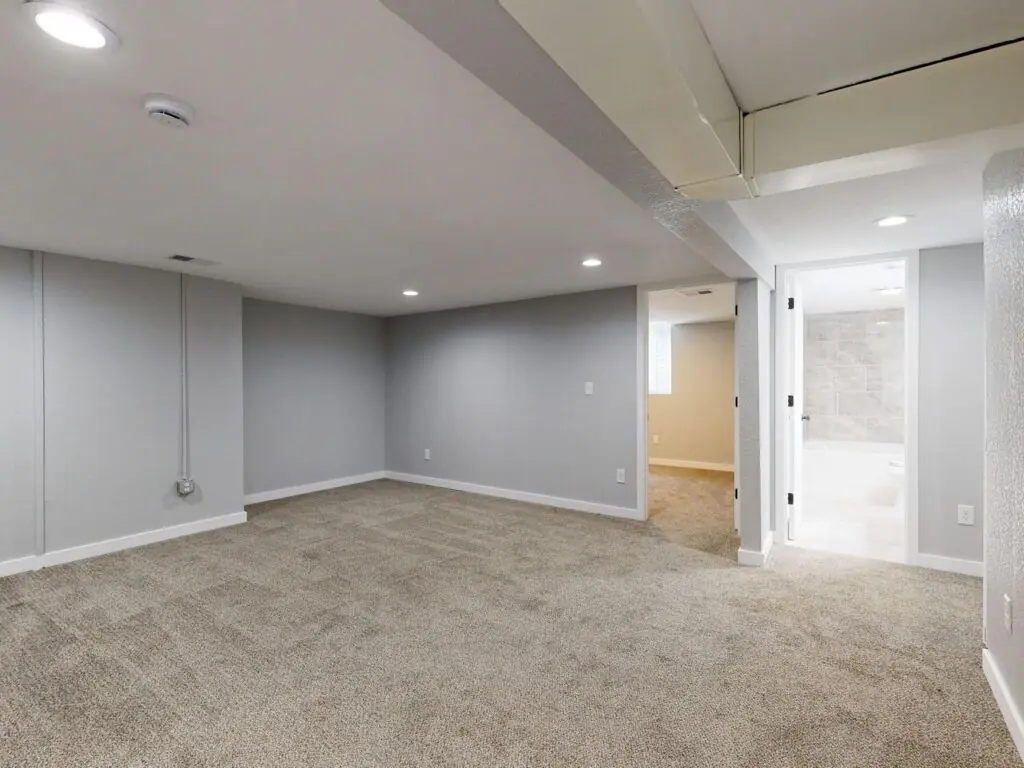
Basement water problems frequently stem from a combination of environmental factors and structural vulnerabilities common to homes in the region. Regional freeze-thaw cycles can put stress on foundation walls, leading to cracks over time. Additionally, heavy rainfall and snowmelt can saturate the soil surrounding a home, creating hydrostatic pressure.
This hydrostatic pressure pushes water against and through foundation walls, seeking weak points. Poor exterior drainage, clogged gutters, incorrect grading that directs water towards the foundation, and underground plumbing issues can also contribute to moisture intrusion. Local soil composition, including clay and loam, can impact drainage around foundations by retaining water longer than sandy soils.
What Are the Common Signs of a Wet Basement?
Identifying a wet basement early helps prevent extensive property damage. The signs of moisture intrusion range from obvious to subtle. One common indicator is a persistent musty odor, which often points to mold or mildew growth even if not immediately visible.
Other prevalent signs include efflorescence—white, powdery mineral deposits on concrete or masonry walls left behind as seeping water evaporates. Visible water stains on walls or floors, peeling paint, warped paneling, bowing foundation walls, and cracks in the concrete slab or walls are also clear indicators. In more severe cases, standing water may appear after heavy rains or snowmelt, alongside frequent leaks around windows or floor-to-wall joints.
Exploring Basement Waterproofing Methods
Protecting a basement from water damage involves various proven waterproofing techniques, often implemented in combination for optimal results. The most suitable method depends on the specific cause and severity of the water problem.
Generally, methods are categorized as exterior or interior. Exterior waterproofing involves excavating around the foundation to apply waterproof membranes or coatings and installing exterior drainage systems, such as French drains, to divert water away. Interior methods typically manage water once it enters the basement, directing it to a sump pump for removal.
Here is a comparison of common basement waterproofing methods:
| Method | Description | Primary Benefit | Considerations |
|---|---|---|---|
| Exterior Foundation Waterproofing | Involves excavating around the foundation, cleaning walls, repairing cracks, and applying a waterproof membrane or coating, often with a drainage board and exterior drain tile. | Prevents water from entering the foundation in the first place. | Effective for severe exterior water issues; requires excavation and landscaping disruption. Ideal for new construction or major renovations. |
| Interior Perimeter Drainage System (French Drain) | A trench is dug around the interior perimeter of the basement, a perforated pipe is laid, gravel is added, and the system is connected to a sump pump. | Manages water that has penetrated the foundation, diverting it away before it reaches the living space. | Less invasive than exterior methods; effective for hydrostatic pressure and wall/floor joint leaks. Often combined with wall vapor barriers. |
| Sump Pump Installation | A pit is dug, and a pump is installed to collect and discharge water away from the basement. Battery backups are often included. | Crucial for removing collected water from interior drainage systems or direct leaks. | Essential component for most interior waterproofing solutions. Regular maintenance is key. |
| Crack Injection Repair | Polyurethane or epoxy is injected into foundation cracks, sealing them from the inside. | Directly seals specific points of water entry through cracks. | Effective for non-structural cracks. May be a standalone solution for minor issues or part of a larger strategy. |
| Foundation Sealants / Coatings | Waterproof paints or sealers applied to interior basement walls. | Can help with minor dampness and improve aesthetics. | Best for managing condensation or very minor seepage. Not a standalone solution for active leaks or hydrostatic pressure. |
For significant moisture issues, consulting with a local specialist can help determine the underlying conditions and identify an effective waterproofing strategy.
How Much Does Basement Waterproofing Cost?
The cost of basement waterproofing varies based on several key factors, including the chosen method, the severity of the water problem, the size of the basement, and the accessibility of the work area. Because each home's situation is unique, accurate pricing requires a professional on-site assessment.
Minor repairs, such as crack injection, are generally less costly, while extensive exterior excavation and drainage system installations represent a larger investment. Interior perimeter drainage systems and sump pump installations also vary in price depending on the linear footage and system complexity. Property owners should obtain a detailed quote from a qualified waterproofing contractor following an on-site inspection.
How Much Does Waterproof Basement Remodeling Cost?
Waterproof basement remodeling involves a two-phase process: first, ensuring the basement is completely dry and watertight, and second, completing the renovation work. The overall cost reflects both the waterproofing measures and the finishing components.
Factors influencing remodeling costs include the desired finishes, layout complexity, addition of new rooms, and the need for upgraded electrical, plumbing, or HVAC systems. A simple home office conversion will typically require less investment than installing a wet bar, an additional bathroom, or an in-law suite. Choice of materials also plays a significant role; luxury flooring, custom cabinetry, and high-end fixtures will increase the total budget. Working with a remodeling contractor helps clarify the scope and provide a comprehensive project estimate.
Frequently Asked Questions
Is basement waterproofing a DIY project?
While minor tasks like sealing small surface cracks or adjusting exterior grading can be handled by homeowners, comprehensive waterproofing—especially involving hydrostatic pressure or structural movement—typically requires professional equipment and expertise. Improper installation can leave underlying moisture issues unresolved.
How long does basement waterproofing last?
The longevity of waterproofing depends on the method used and the quality of installation. Exterior membrane systems can provide protection for decades, while interior drainage systems and crack injections offer long-term performance when properly maintained. Regular maintenance of sump pumps and drainage components is essential to ensure ongoing functionality.
What is the best time of year for basement waterproofing?
Basement waterproofing can be performed year-round, though spring and fall often offer milder conditions for exterior excavation. However, active water intrusion or structural concerns should be addressed promptly regardless of the season to prevent further damage.
Does waterproofing add value to a home?
Yes, basement waterproofing adds value by protecting the foundation, preventing mold growth, improving indoor air quality, and creating a dry foundation for finished living space. A dry, protected basement provides greater utility and peace of mind for homeowners and prospective buyers alike.
What should I look for in a waterproofing contractor?
When selecting a waterproofing contractor, look for companies with established regional experience, verified licensing and insurance, and clear written warranties. A reliable contractor should provide a comprehensive inspection, explain their proposed solutions in detail, and offer transparent estimates.
Basement Upgrades: Safety, Efficiency, and Value
A successful basement remodel considers several structural and environmental factors beyond moisture mitigation. Understanding local building codes and permitting requirements is essential whenever altering structural elements, adding electrical circuits, or expanding plumbing. Adhering to these standards ensures the finished space remains safe and compliant.
Radon mitigation is another important consideration. Radon gas can enter through foundation cracks and affect indoor air quality, making testing and appropriate mitigation systems a valuable health precaution. Integrating basement insulation, such as rigid foam or spray foam, improves thermal efficiency while serving as an additional moisture barrier. Transferable warranties on waterproofing systems and remodeling work also provide reassurance and protect long-term property value.
Advanced Waterproofing and Finishing Considerations
Homeowners exploring basement remodeling often evaluate modern moisture management technologies alongside durable finishes. Options such as crystalline waterproofing materials and heavy-duty vapor barriers provide targeted protection for below-grade concrete. Smart sump pumps with battery backups and remote alerts offer continuous monitoring during severe weather.
For finishing, moisture-resistant materials support long-term durability. Luxury vinyl plank (LVP) flooring, mold-resistant drywall, and inorganic insulation materials perform reliably in below-grade environments. In living spaces and bedrooms, code-compliant egress windows must also be planned to satisfy safety requirements, provide natural light, and ensure proper emergency exit routes.