
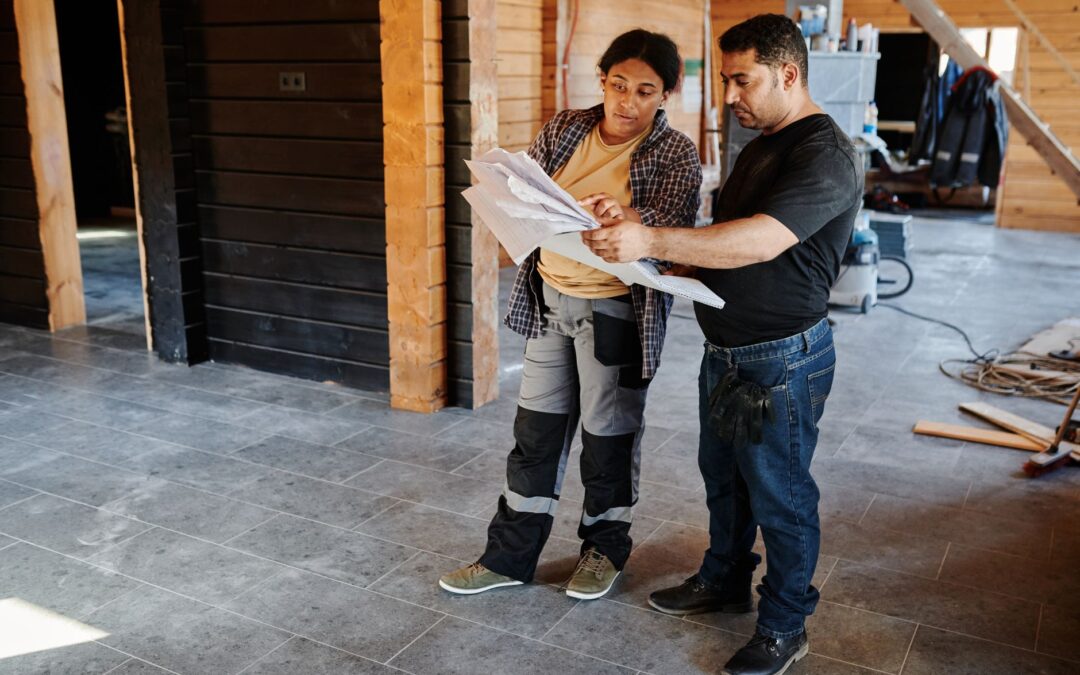
Before remodeling in Greenville, confirm which permits and inspections apply to the work you are planning. Requirements depend on the address, project scope, and systems affected. Start with the local authority before ordering materials or beginning construction.
Quick answer: Most significant home remodeling projects in Greenville require a building permit to ensure compliance with safety and construction codes. It is also essential to be aware of licensed builder requirements when hiring professionals. Building permits are primarily handled by Imperial Municipal Services (IMS) for building inspections, while the Montcalm County Building Department manages electrical, plumbing, and mechanical permits.
Key Takeaways
- Major remodeling projects, structural changes, and additions typically require a building permit.
- Imperial Municipal Services (IMS) processes building permit applications and conducts inspections for the City of Greenville.
- Electrical, plumbing, and mechanical permits are obtained through the Montcalm County Building Department.
- Ask the City whether zoning review or a zoning permit is needed for your project.
- Failing to obtain necessary permits can lead to fines, project delays, and potential issues with resale or insurance claims.
When Remodeling Permits Are Required
Yes, for most substantial remodeling projects, a building permit is required. These permits are essential to ensure that construction work meets established safety standards, local ordinances, and the Michigan Building Code. While minor cosmetic updates might not necessitate a permit, any work involving structural changes, alterations to egress, or modifications to electrical, plumbing, or mechanical systems will typically require one.
It is always prudent to confirm permit requirements with the relevant authorities before starting any work. This proactive approach helps homeowners avoid potential legal issues, fines, and the costly process of redoing non-compliant work, whether managing the project independently or hiring a professional.
Remodeling Projects Requiring Permits
Ask the permitting authority about additions, structural alterations, changes to exits or occupancy, deck construction, and work on plumbing, electrical, or mechanical systems. A building permit and trade permits address different parts of a project.
Deck height, shed size, roofing, siding, and window work can involve exceptions or additional conditions. Describe the exact work to IMS; do not rely on a single dimension or a general online exemption list.
What Projects Do Not Require a Building Permit?
Michigan LARA identifies an exemption for ordinary repairs, but its guidance excludes work affecting structural supports, required exits, and specified utilities or safety systems. See LARA’s building permit information for the details.
Confirm how that applies to your address and scope. A building-permit exemption does not settle zoning, trade-permit, or other approval requirements.
How to Apply for a Building Permit
Applying for a building permit involves a structured process to ensure all regulations are met. The primary authority for building permits and inspections for the City of Greenville is Imperial Municipal Services (IMS). Here is an overview of the application steps:
- Confirm Zoning Requirements: Ask City Planning & Zoning whether your project needs zoning review and complete any required approval.
- Complete Application: Fill out the Building Permit Application form in full.
- Gather Required Documents: Use the current application checklist and confirm the plans and supporting documents required for your scope.
- Submit Application: Submit the completed application and all accompanying documents to Imperial Municipal Services.
- Pay Fees: Pay the required permit fees, which vary based on the scope and estimated cost of the project.
- Schedule Inspections: Once the permit is issued, you will need to schedule required inspections at various stages of your project.
Working with a licensed professional contractor can help streamline this process, as experienced builders are familiar with application requirements and local standards.
Remodeling Permit Application Process
Confirm the address and scope with the appropriate authority, then submit the current application and required plans. Ask which inspections are needed, when they must be requested, and what approval is required before covering completed work.
Keep permits, inspection results, and approved changes with your project records. Discuss final inspections and whether an occupancy approval is required for your particular work.
Where to Get a Zoning Permit
Contact City Planning & Zoning about setbacks, land use, and any zoning review your project requires. The City’s Building, Planning & Zoning page links its forms and contact information.
For a property outside City of Greenville limits, contact the relevant city or township. A Greenville mailing address does not establish permitting jurisdiction.
Building Permit Authority & Inspections
For the City of Greenville, Imperial Municipal Services (IMS) is the designated authority responsible for handling building permit applications, collecting associated fees, and conducting all necessary building inspections. IMS ensures that construction projects adhere to the Michigan Building Code and local regulations. They are the primary point of contact for property owners and contractors regarding building code compliance.
Electrical, Mechanical & Plumbing Permits
While Imperial Municipal Services handles general building permits, electrical, plumbing, and mechanical (EPM) permits for local projects are managed by the Montcalm County Building Department. This means you will need to apply separately for these specialized trade permits through the county, in addition to your building permit from IMS. Confirm the required trade licenses, permit applications, and inspections with the county before those parts of the work begin.
Building Permit: Required Documents & Plans
Use the current application provided by the enforcing agency rather than a generic checklist. Be ready to discuss:
- The project address, parcel information, and applicant details.
- A description of the proposed work and its estimated cost.
- Plans showing the layout, structural work, and site details relevant to the project.
- Any zoning or other approvals requested for that scope.
Ask the building official which drawings, supporting documents, and professional seals are needed. The required detail and any exceptions depend on the project; do not assume every remodel needs a survey, two paper plan sets, or an architect’s seal.
Building Permit Costs
The cost of a building permit varies based on the scope, complexity, and estimated value of the remodeling project. Permit fees are calculated based on a fee schedule provided by Imperial Municipal Services (IMS). These fees cover administrative plan reviews and field inspections.
For current fee schedules, contact Imperial Municipal Services directly. They can provide specific cost estimates once you provide the details of the proposed project.
Building Permit Approval Timeline
The time required to process a building permit application depends on several factors, including the completeness of the documentation, the project's complexity, the department's current workload, and whether prerequisite approvals like zoning have been completed. Complete applications for straightforward projects generally move faster than those requiring extensive structural reviews.
Submitting all required documents and plans accurately in advance helps prevent delays. Contact Imperial Municipal Services directly for current estimates on processing timeframes.
Local Building and Permitting Contacts
Here are the primary administrative contacts for building and related permits in the area:
- City of Greenville (Planning & Zoning)
- Address: 411 S Lafayette Street, Greenville, MI 48838
- Phone: (616) 754-5645
- Imperial Municipal Services (IMS) - Building Permits & Inspections
- Contact IMS through the City’s current building-permit listing.
- Phone: (616) 863-9294
- Montcalm County Building Department - Electrical, Plumbing, Mechanical Permits
- Phone: (989) 831-7394
Applicable Building Codes
Remodeling and construction projects are governed by building codes designed to ensure occupant safety and structural integrity. Standards enforced locally include:
- Michigan Building Code: The statewide code governing commercial and general construction.
- Michigan Residential Code: Specific regulations applicable to residential one- and two-family dwellings.
- Local Municipal Ordinances: City-specific rules and zoning requirements that supplement state building codes.
- State Construction Code Act (Act 230 of 1972): The foundational state legislation establishing the framework for construction codes in Michigan.
Frequently Asked Questions
What happens if I remodel without a permit?
Remodeling without a required permit can lead to stop-work orders, fines, and mandatory removal or modification of completed work to verify code compliance. It can also complicate real estate transactions, as unpermitted work may create appraisal, disclosure, or insurance coverage issues.
Do I need a permit for a new fence?
Whether a new fence requires a permit depends on its height and placement relative to property lines and setback rules. Taller fences or those located near road rights-of-way often require zoning approval. Contact the Planning & Zoning Department before starting installation.
What is the difference between residential and commercial remodeling permits?
The applicable code, accessibility provisions, and plan requirements depend on the building and proposed work. Ask the enforcing agency which standards apply and whether sealed plans are needed; exceptions exist.
How can a licensed contractor assist with the permit process?
A contractor can help organize applications, coordinate inspections, and identify drawings or specialist input needed for the scope. Confirm those responsibilities in the contract and verify the appropriate license for the work.
Broader Michigan Resources and Standards
The Michigan Department of Licensing and Regulatory Affairs (LARA), specifically its Bureau of Construction Codes, establishes statewide building codes and oversees trade licensing for electricians, plumbers, and mechanical contractors. Ensuring contractors hold active State of Michigan licenses is standard practice and often a legal requirement for obtaining trade permits through Montcalm County.
Additionally, properties located within designated historic areas or subject to specialized environmental regulations may require supplementary state or local reviews before construction can begin.