
Transforming your outdoor living space with a new deck can significantly enhance your home's value and enjoyment. From understanding local regulations to selecting the best materials for Michigan's unique climate, building a new deck requires careful planning.
Quick answer: To build a new deck in Greenville, MI, homeowners should first secure a building permit from the local building authority, choose materials suitable for Michigan's freeze-thaw cycles such as composite or pressure-treated wood, and engage a qualified contractor to ensure compliance with local codes and proper frost depth installation.
Key Takeaways
- Deck costs vary based on dimensions, structural complexity, and chosen decking materials.
- A building permit is required for most deck projects, especially if attached to the house or over 30 inches above grade.
- Michigan's standard frost depth requires footings to be dug at least 42 inches deep to prevent structural issues.
- Composite and pressure-treated woods are popular decking material choices due to their durability in varied weather.
- Professional deck installers ensure code compliance, efficient construction, and lasting quality.
Why Build a New Deck?
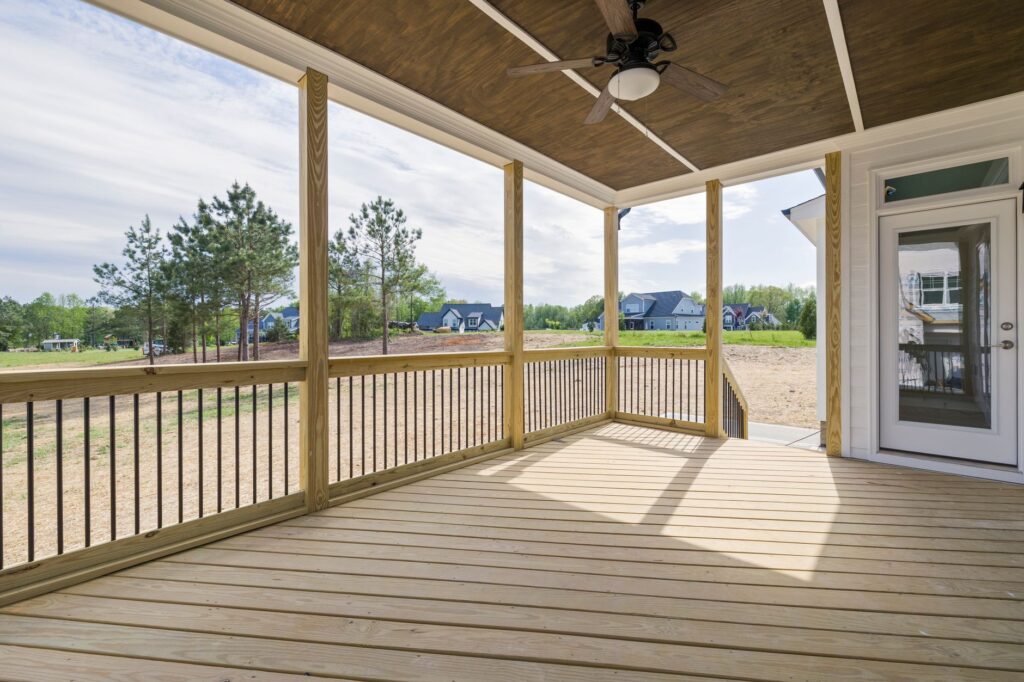
A new deck is more than just an outdoor addition; it is an investment in your home and lifestyle. A well-designed deck extends living space, provides an ideal setting for entertaining or relaxation, and enhances curb appeal. Beyond personal enjoyment, quality deck additions can add significant functional and aesthetic value to a property.
What Factors Influence the Cost of a New Deck?
The cost to build a new deck can vary widely based on total square footage, selected materials, site elevation, design complexity, and custom features. Total expenses generally include both raw materials and professional labor for framing, footings, and finishing.
Customization options such as multi-level layouts, built-in seating, pergolas, or specialized railing systems will increase the overall investment. For an accurate estimate tailored to your specific project, it is advisable to obtain a detailed quote from local deck construction professionals.
Comparing Decking Material Characteristics
| Material Type | Maintenance Level | Notes for Michigan Climate |
|---|---|---|
| Pressure-Treated Pine | High | Cost-effective, requires regular sealing/staining, handles freeze-thaw cycles well if maintained. |
| Cedar | Moderate | Natural resistance to rot and insects; weathers naturally and benefits from periodic sealing. |
| Redwood | Moderate | Premium wood with natural durability, though less commonly sourced in the region. |
| Basic Composite | Low | Engineered for resistance to moisture and UV rays; well-suited for varied seasonal climates. |
| Premium Composite | Very Low | Enhanced surface durability, broader color and texture selections, minimal upkeep required. |
| PVC | Very Low | Impervious to moisture, rot, and insects; excellent for low-maintenance requirements. |
| Ipe Hardwood | Moderate | Extremely dense natural hardwood offering exceptional longevity in outdoor environments. |
What Types of Decking Materials Are Best for Michigan's Climate?
Michigan's climate presents unique challenges for outdoor structures, including significant temperature fluctuations, heavy snowfall, and recurring freeze-thaw cycles. Choosing the right decking material is crucial for longevity and manageable upkeep.
- Pressure-Treated Pine: A widely accessible option, pressure-treated pine provides solid structural strength but requires regular sealing or staining to protect against moisture intrusion and UV exposure during humid summers and wet winters.
- Cedar: Naturally resistant to rot and insects, cedar offers a classic aesthetic. While it holds up well to regional weather, it benefits from periodic sealing to preserve its natural tone.
- Composite Decking: Manufactured from a blend of wood fibers and recycled plastic, composite boards resist rot, splintering, insects, and fading. This makes them a durable, low-maintenance option through winter snow loads and spring thaws.
- PVC Decking: Composed entirely of synthetic polymers, PVC decking offers superior moisture resistance and requires no painting or staining, making it well-suited to withstand harsh seasonal shifts.
Do I Need a Permit to Build a Deck in Greenville, MI?
Yes, a building permit is required for most deck projects in Greenville. Generally, a permit is necessary if your deck is attached to the house, more than 30 inches above grade, larger than 200 square feet, or located within 36 inches of another structure. Securing proper permits ensures the structure meets local safety standards and zoning requirements.
How Do I Apply for a Deck Building Permit?
Navigating the permit application process involves specific steps to ensure your deck complies with local municipal codes and zoning ordinances:
- Initial Inquiry: Contact the local planning and zoning department to confirm setback requirements, property lines, and site allowances.
- Complete Application: Fill out the required building permit paperwork through the designated municipal inspection service.
- Provide Detailed Plans: Submit dimensioned site diagrams showing property lines, existing buildings, and the proposed deck layout. Proof of property ownership may also be requested.
- Additional Documentation: Depending on the scope, projects may require structural framing diagrams, soil assessments, or truss specifications.
- Pay Applicable Fees: Permit and plan review fees vary depending on the size and complexity of the project.
- Submit and Await Review: Allow adequate processing time for municipal officials to review structural details and zoning compliance.
- Schedule Inspections: Once the permit is active, required inspections must be scheduled at key construction phases, such as post-hole footing depth and final structural completion.
Working with experienced deck builders can streamline this process, as professional contractors frequently handle plan submissions and inspection scheduling on behalf of homeowners.
What Are the Local Building Codes and Frost Depth Requirements?
In Montcalm County and across Michigan, residential building codes enforce specific construction standards to ensure structural safety. A critical requirement is footing depth: building codes mandate that footings extend at least 42 inches below grade. Digging below the 42-inch frost line prevents the deck from shifting or heaving during winter freeze-thaw cycles.
Beyond footings, local building codes govern guardrail heights, baluster spacing, stair riser and tread dimensions, live load capacities, and ledger board attachment methods to ensure total structural integrity.
How Long Does It Take to Build a New Deck?
The timeline for completing a new deck depends on permit review periods, project size, architectural complexity, material availability, and weather conditions. Once permits are approved, on-site construction for a straightforward deck often takes several days to two weeks. Larger, multi-level projects or designs with custom features like integrated lighting and pergolas may take several weeks to complete.
What Should I Consider When Designing a New Deck?
Designing a deck offers an opportunity to tailor your outdoor area to your lifestyle and architectural preferences:
- Size and Layout: Plan dedicated zones for cooking, dining, and relaxation to ensure comfortable traffic flow.
- Architectural Integration: Complement the exterior lines, siding, and color palette of your existing house.
- Material Selection: Balance maintenance expectations, long-term durability, and aesthetic preference.
- Custom Features: Consider integrated benches, shade structures, privacy screens, and low-voltage lighting.
- Safety and Accessibility: Ensure railings, stairs, and walking surfaces meet safety standards for all household members.
What Are the Benefits of Hiring Professional Deck Installers?
Hiring professional builders offers distinct advantages for ensuring a safe and durable installation:
- Code and Permit Management: Professional contractors understand local zoning rules, Michigan building codes, and the critical 42-inch frost depth standard, ensuring all work passes required municipal inspections.
- Structural Integrity: Experienced builders utilize proper framing techniques, corrosion-resistant fasteners, and engineered post connections to build a solid foundation.
- Project Efficiency: Organized crews with dedicated tools can complete site preparation, framing, and decking efficiently.
- Liability and Protection: Licensed contractors carry business insurance and offer workmanship warranties, providing peace of mind throughout the build.
Maintaining Your Deck Through the Seasons
Ongoing maintenance preserves the structural health and appearance of your deck across changing seasons:
- Wood Decks: Natural wood requires periodic washing to remove organic buildup, alongside regular applications of water-repellent sealant or stain to prevent moisture absorption and cracking.
- Composite and PVC Decks: Synthetic materials generally need only routine sweeping and periodic cleaning with mild soap and water to remove surface debris.
An annual inspection of structural fasteners, ledger flashing, stair stringers, and railings helps identify minor maintenance needs before they develop into larger structural concerns.
Financing Your Deck Project
A new deck is a lasting property enhancement. Homeowners commonly finance construction through home equity lines of credit (HELOCs), home improvement loans, personal financing, or payment options offered directly through licensed contractors. Evaluating available financing terms alongside a realistic project budget helps ensure a smooth construction experience.