

Embarking on a deck project requires selecting a contractor who delivers quality craftsmanship and maintains a reliable local reputation. This guide helps homeowners navigate the process of identifying and vetting qualified deck builders in the Greenville, Michigan area.
Quick answer: To find a reputable deck builder, prioritize contractors with verified Michigan residential builder licenses, comprehensive insurance, and positive online reviews. Look for clear communication, detailed proposals, familiarity with local building codes, and a solid portfolio backed by craftsmanship warranties.
Key Takeaways
- Verify Michigan residential builder licenses and full insurance coverage (liability and worker's compensation).
- Scrutinize online reviews across multiple platforms for consistent feedback and service standards.
- Prioritize builders with a strong local portfolio demonstrating experience with varied materials and designs.
- Ensure clear communication, detailed contracts, and transparent warranty offerings for labor and materials.
- Confirm the builder's knowledge of local building codes and permit requirements.
How Do I Find a Reputable Deck Builder?
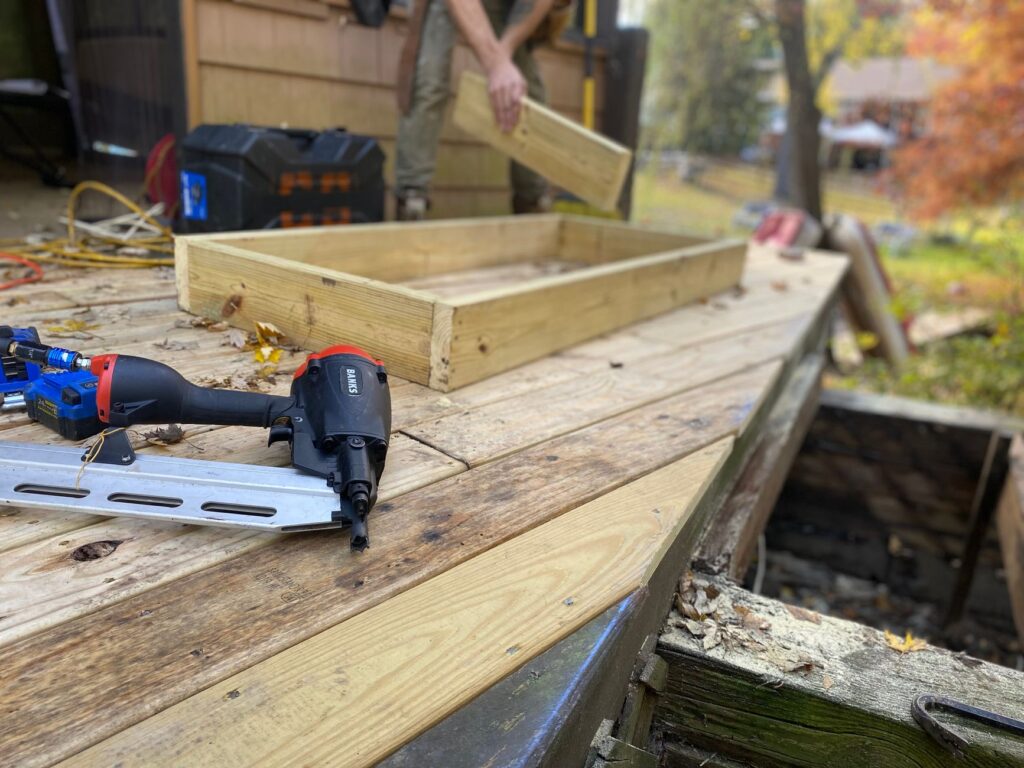
Finding a reputable deck builder begins with a multi-pronged approach that combines online research with local inquiries. Start by seeking recommendations from neighbors, friends, or community members who have recently completed deck projects.
Parallel to personal referrals, leverage online platforms and local business directories. Focus on builders who serve the area and display a clear understanding of regional climate considerations and regulations.
What Should I Look For in a Deck Builder's Reputation?
A strong reputation is built on consistent quality, transparent practices, and customer satisfaction. Beyond general impressions, look for specific indicators that signal reliability and professional commitment.
These indicators include verifiable credentials, a history of successful projects, clear communication, and a proactive approach to addressing potential issues. Evaluating these aspects thoroughly helps ensure a durable, safe outdoor living space.
Where Can I Find Reviews for Deck Builders?
Online reviews are a primary resource for gauging contractor performance. Established builders typically maintain a presence on several platforms, offering a balanced view of their work.
- Google Reviews: Google Business Profiles provide customer feedback, ratings, and photos of completed projects.
- Better Business Bureau (BBB): The BBB offers ratings, accreditation status, and a record of customer complaints and resolutions.
- HomeAdvisor and Angi: These platforms feature project-specific reviews detailing customer experience, scheduling, and project scopes.
- Social Media and Community Groups: Local community forums often feature direct recommendations and firsthand neighbor feedback.
When reviewing feedback, pay attention to recurring themes in both positive and negative comments. Look for consistency in communication, adherence to timelines, quality of workmanship, and how the builder resolves unexpected issues.
How Important Are Licenses and Insurance?
Licensing and insurance are fundamental requirements for any legitimate deck contractor. These credentials protect both the homeowner and the builder, ensuring accountability and financial security.
- Michigan Residential Builder License: Contractors performing residential building or remodeling work in Michigan must hold a valid residential builder license issued by the state. This license verifies that the contractor has met state examination and regulatory requirements.
- General Liability Insurance: This protects you from financial responsibility if property damage or third-party injury occurs during construction.
- Worker's Compensation Insurance: If the builder employs a crew, worker's compensation covers job-related injuries, preventing property owner liability.
Always ask for proof of current licensing and insurance, and verify the credentials through state licensing databases.
Assessing Experience and Portfolio
A builder's portfolio provides visual evidence of their craftsmanship and capability across different design styles and materials.
- Portfolio of Work: Look for clear photos of completed decks showing attention to detail, proper framing, clean railing installations, and seamless finishes.
- References: Request contact details for past clients to ask about communication, schedule adherence, and how well the structure has held up over time.
- Manufacturer Certifications: Specialized manufacturer credentials (such as TrexPro or TimberTech certifications) show advanced training with specific composite systems and may qualify projects for enhanced warranty coverage.
What Questions Should I Ask a Deck Builder Before Hiring?
Asking targeted questions ensures clarity regarding credentials, timelines, and expectations before work begins.
- "Can you provide proof of your Michigan residential builder license and current insurance certificates?"
- "Do you have a portfolio of local deck projects and references I can contact?"
- "What is your experience with the specific decking material I want to use?"
- "Will you handle the necessary building permits and schedule required municipal inspections?"
- "Can you provide a detailed, itemized estimate covering labor, materials, and potential contingencies?"
- "What is the estimated timeline, and how do you handle weather delays?"
- "What workmanship warranties do you provide in addition to manufacturer material warranties?"
- "What is the daily cleanup and debris removal procedure?"
- "What is the milestone-based payment schedule?"
What Are Common Red Flags When Evaluating a Deck Builder?
Identifying warning signs early protects homeowners from subpar work and financial disputes.
- Lack of Proper Licensing or Insurance: Inability or hesitation to provide verifiable state licenses and active insurance policies.
- Demanding Full Payment Upfront: Professional contractors work with structured progress payments rather than requiring total payment before breaking ground.
- Unusually Low Bids: Estimates far below market average often reflect omitted costs, substandard materials, or inexperienced labor.
- High-Pressure Sales Tactics: Demands for immediate commitments or limited-time signing discounts.
- Poor Communication: Unreturned calls, vague answers, or missing details during the consultation phase.
- No Written Contract: Refusal to provide a clear, written agreement detailing specifications, materials, total cost, and timelines.
- Consistent Negative Review Trends: Patterns of complaints regarding abandoned jobs, structural defects, or unaddressed warranty calls.
Do Deck Builders Offer Warranties?
Reputable contractors back their projects with clear warranty coverage split between labor and manufactured products.
- Workmanship Warranty: Provided directly by the contractor, this covers installation quality, framing stability, and assembly defects for a specified term.
- Manufacturer Warranty: Provided by material producers (particularly for composite and PVC decking), covering material defects, excessive fading, staining, or structural degradation.
Always review warranty terms in writing to understand coverage duration, exclusions, and claim procedures.
How Do Local Building Codes Affect Deck Construction?
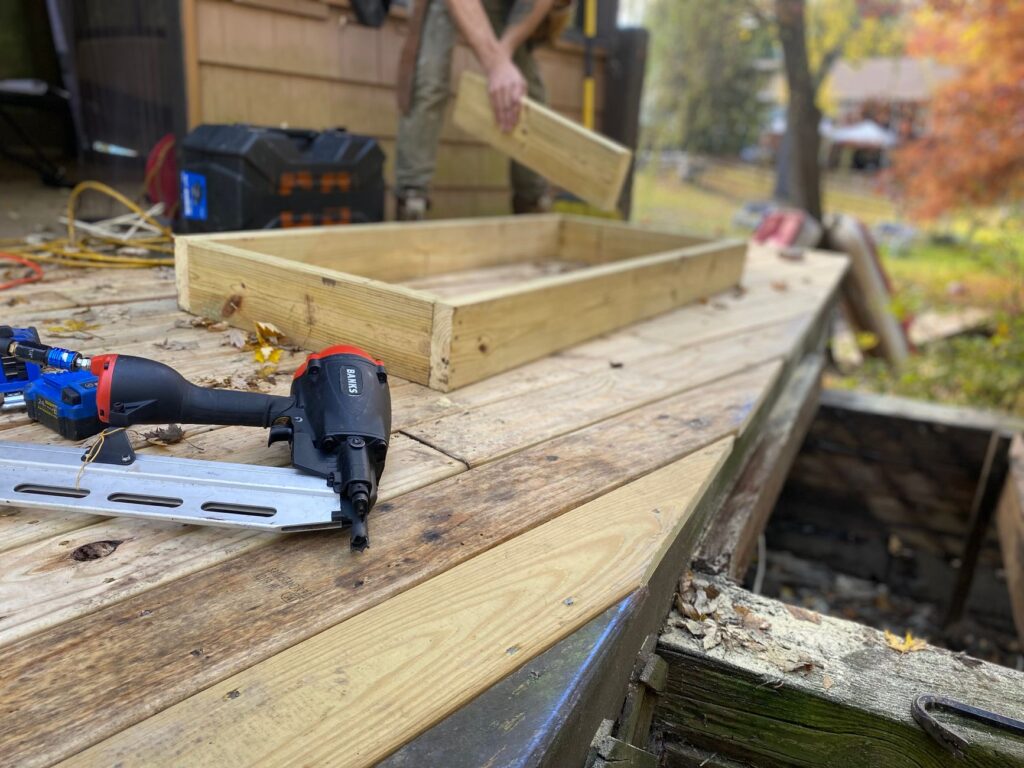
Local building codes establish standards for footing depth, joist spacing, load capacities, stair geometry, and guardrail heights. In regions with freezing winters, footings must reach below the frost line to prevent frost heave and structural shifting.
A qualified contractor handles the permit application process, submits compliant framing plans, and coordinates all required municipal inspections from footing excavation through final sign-off.
Comparing Wood and Composite Decking Options
Material selection shapes ongoing maintenance needs, aesthetic choices, and long-term durability. Builders should possess direct experience with your chosen material type.
| Feature | Wood Decking (e.g., Pressure-Treated Pine, Cedar) | Composite Decking (e.g., Trex, TimberTech) |
|---|---|---|
| Appearance | Natural wood grain that can be stained, painted, or sealed. | Engineered grain patterns and uniform colors available in varied finishes. |
| Maintenance | Requires periodic washing, staining, sealing, and splinter management. | Requires routine washing with soap and water; no staining or sealing needed. |
| Durability | Subject to weathering, moisture absorption, and insect pressure without regular upkeep. | Formulated to resist rot, splintering, insects, and moisture damage. |
| Cost Profile | Lower initial upfront material cost with higher recurring maintenance expenses. | Higher initial material investment balanced by reduced long-term maintenance costs. |
| Environmental Factors | Natural timber product; sourcing varies by supplier. | Frequently manufactured using recycled plastics and reclaimed wood fibers. |
Wood construction requires proper lumber spacing and appropriate exterior fasteners to account for natural shrinkage and expansion. Composite installations require strict adherence to manufacturer joist spans, hidden fastener systems, and thermal expansion gaps.
Frequently Asked Questions
What permits are typically required for a deck?
Most attached decks, elevated platforms, and large structural alterations require a municipal building permit. The permit ensures the design complies with the Michigan Residential Code and local zoning setbacks.
How long does deck construction usually take?
Timelines depend on project scale, design complexity, site grading, and weather. Standard decks often take one to two weeks of active construction once permits are issued, while custom multi-level projects or custom shade structures may require additional time.
Should I choose wood or composite decking?
Wood suits homeowners looking for lower initial material costs and a traditional wood grain aesthetic, provided they are prepared for ongoing sealing and maintenance. Composite is ideal for those seeking low-maintenance surfaces and enhanced resistance to rot and weathering over time.
How can I verify a Michigan residential builder license?
You can verify active licenses online through the Michigan Department of Licensing and Regulatory Affairs (LARA) license lookup database using the contractor's legal business name or individual license number.
What is a standard payment structure for a deck build?
Contractors typically structure payments across clear project milestones, such as an initial deposit upon contract signing, progress payments following material delivery or foundation completion, and a final balance payment once the build passes final inspection.