

Planning a new deck addition is an exciting prospect for any homeowner in Greenville, MI, offering expanded outdoor living space and increased property value. Understanding the potential investment is the crucial first step.
Quick answer: A deck addition cost estimate depends heavily on factors such as overall size, material choices (wood vs. composite), design complexity, site conditions, and local labor rates. A personalized quote from a local builder is essential for an accurate figure.
Key Takeaways
- Deck addition costs are primarily influenced by dimensions, materials, and design complexity.
- Square footage, structural elevation, and premium materials directly drive overall project pricing.
- Pressure-treated wood offers a more budget-friendly initial option, while composite and PVC decks provide greater longevity and lower maintenance at a higher initial cost.
- Additional features like railings, stairs, and built-in seating significantly impact the total project budget.
- Permits are almost always required for deck construction, and professional builders can assist with this process.
How Much Does a Deck Addition Cost?

The total cost to build a deck is a significant consideration for any homeowner. Total expenses fluctuate based on numerous variables, including the deck's dimensions, the materials selected, ground prep needs, and custom design features.
For larger, multi-level, or highly customized decks using premium materials, the total investment increases accordingly. A precise deck addition cost estimate requires a thorough on-site assessment by a qualified local contractor like J and M Construction Group.
Understanding Cost Per Square Foot Considerations
When budgeting for a new deck, evaluating the cost per square foot provides a helpful baseline for planning. This unit pricing generally accounts for both framing and surface materials, as well as labor costs.
A basic pressure-treated wood deck typically represents the entry point for pricing, while high-end composite or PVC decks with intricate railings, built-in steps, and integrated lighting sit at the top of the range. The overall scale of the project also plays a role: larger builds may benefit from volume efficiencies on framing lumber, whereas small, highly detailed, or multi-level platforms require more labor per square foot.
How Do Material Choices Affect Deck Costs?
One of the most significant determinants of your overall deck addition cost is the choice of decking material. Each material offers a different balance of upfront cost, maintenance requirements, and longevity. Homeowners often weigh these factors carefully when deciding between traditional lumber and modern composite options.
Pressure-Treated Wood Decks
Pressure-treated lumber is a popular and cost-effective choice for decks. It is readily available, resistant to rot and insects, and offers a natural wood appearance. While the initial investment is lower, it requires regular maintenance—including cleaning, staining, or sealing every few years—to preserve its appearance and extend its lifespan.
Cedar Decks
Cedar is a naturally durable wood known for its resistance to decay and insects without chemical treatment. It offers a refined grain and rich color compared to standard treated lumber. Cedar decks carry a moderate upfront cost and require periodic sealing or staining to maintain their appearance and protect against weathering.
Composite and PVC Decks
Composite and PVC decking materials represent a higher initial cost but offer substantial long-term benefits. These engineered materials are made from wood fiber blends and plastics (composite) or entirely synthetic polymers (PVC). They resist fading, staining, scratching, and moisture damage without the need for sanding, staining, or sealing.
| Material Type | Initial Cost (Relative) | Maintenance | Durability/Lifespan |
|---|---|---|---|
| Pressure-Treated Wood | Lower | High (regular staining/sealing) | Good (15-20 years with maintenance) |
| Cedar | Moderate | Medium (periodic sealing/staining) | Very Good (20-25 years with maintenance) |
| Composite | Higher | Low (occasional cleaning) | Excellent (25-30+ years) |
| PVC | Highest | Very Low (occasional cleaning) | Superior (30-50+ years) |
What Factors Influence the Total Cost of a Deck Addition?
Beyond material choice, several other critical factors contribute to the overall deck addition cost estimate. Understanding these details helps homeowners plan their budgets effectively.
Size and Complexity of Design
The total footprint directly dictates how much framing, decking, and hardware are required. However, structural complexity is equally significant. A simple, rectangular ground-level deck requires far less structural engineering than an elevated, multi-level design with custom angles, curves, or integrated steps. Features like built-in benches, planters, or privacy screens also add to total labor and material needs.
Foundation and Site Preparation
Site conditions have a direct impact on project scope. A sloped yard, poor soil conditions, or the need for extensive grading and clearing will increase site preparation requirements. Elevated structures demand deeper footings, robust concrete piers, or specialized support posts to ensure structural integrity and compliance with building standards.
Railings and Custom Features
Railings are essential for safety on elevated decks and serve as a prominent design element. Options range from standard wood pickets to aluminum balusters, glass panels, or stainless-steel cable systems, each carrying distinct price points. Additional features such as integrated post lighting, pergolas, and custom wide staircases will also influence the overall estimate.
Labor and Installation
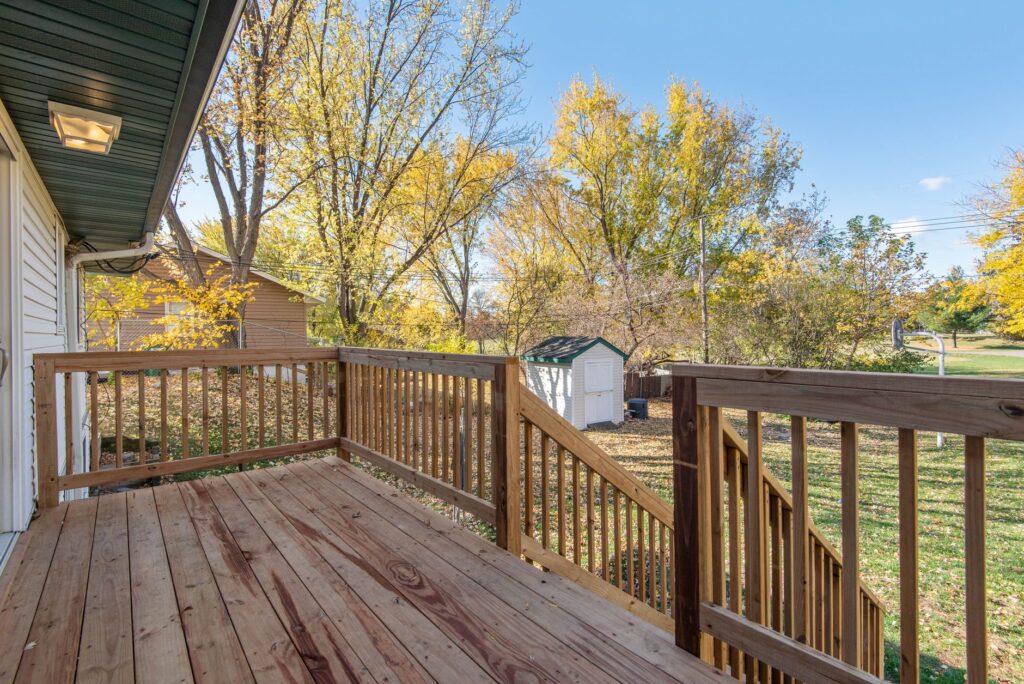
Labor constitutes a substantial portion of any construction project. Professional builders ensure that posts, ledgers, joists, and fasteners are installed securely according to building safety codes. Investing in quality craftsmanship helps prevent structural issues, drainage problems, or premature wood rot down the line.
Permits and Building Codes
Constructing a new deck in Greenville, MI, almost always requires obtaining a building permit from the local municipality. Permitting ensures that framing spans, footing depths, railing heights, and stair geometries comply with regional safety codes. A professional contractor can assist with permit submissions and coordinate necessary building inspections.
Navigating Your Deck Project in Greenville, MI
Understanding the key drivers of construction costs is the best way to prepare for a successful build. To determine an accurate budget for your property, consulting with experienced local builders provides clear insight into site-specific requirements, structural design options, and material durability.
During an initial consultation, discuss material grades, railing profiles, and layout configurations to align the design with your budget and outdoor living goals.
Frequently Asked Questions
Do I need a permit for a deck in Greenville, MI?
Yes, in most cases, a building permit is required for deck construction in Greenville, MI. This ensures the structure meets local safety codes for structural load, footing depth, and railing height.
How long does it take to build a deck?
The construction timeline varies based on deck dimensions, design complexity, site preparation, and weather conditions. A simple platform deck may take only several days, while an elevated or multi-tiered custom build can take several weeks.
What is the lifespan of different deck materials?
Lifespan depends heavily on material type and maintenance. Pressure-treated lumber generally lasts 15 to 20 years with consistent sealing. Cedar often lasts 20 to 25 years with proper care, while composite and PVC products can last 25 to 50 years or longer with minimal upkeep.
Can I build a deck myself to save money?
While DIY construction can reduce labor costs, deck construction requires strong understanding of structural framing, ledger attachment, frost-depth footings, and local building codes. Hiring experienced professionals ensures the deck is safe, compliant, and built to last.
What is the best time of year to build a deck in Michigan?
Spring, summer, and early fall offer favorable weather conditions for excavation, concrete footings, and exterior carpentry. However, design planning, material selection, and permit applications can take place year-round.