

Investing in energy efficient home upgrades in Greenville, MI, is a smart decision for both comfort and long-term savings. With Michigan's varied climate, optimizing your home's overall building envelope performance can significantly reduce utility bills and enhance your living environment, contributing to improved indoor air quality (IAQ).
Quick answer: The most impactful energy-efficient home upgrades for Greenville, MI, homes include enhanced insulation (attic, wall, crawl space), high-performance windows and doors, efficient HVAC systems, and comprehensive air sealing, all of which significantly reduce energy loss and improve indoor comfort.
Key Takeaways
- Prioritize insulation, windows, doors, and air sealing for maximum energy savings in Greenville, MI.
- A professional home energy audit identifies specific areas of energy loss unique to your property, including potential thermal bridging.
- Federal tax credits and Michigan state programs, along with local utility incentives, can help offset upgrade costs.
- Professional installation of energy-efficient components is crucial for optimal performance and return on investment.
- Beyond savings, upgrades enhance home comfort, value, and contribute to a healthier indoor environment.
Top Energy-Efficient Upgrades for Greenville, MI Homes
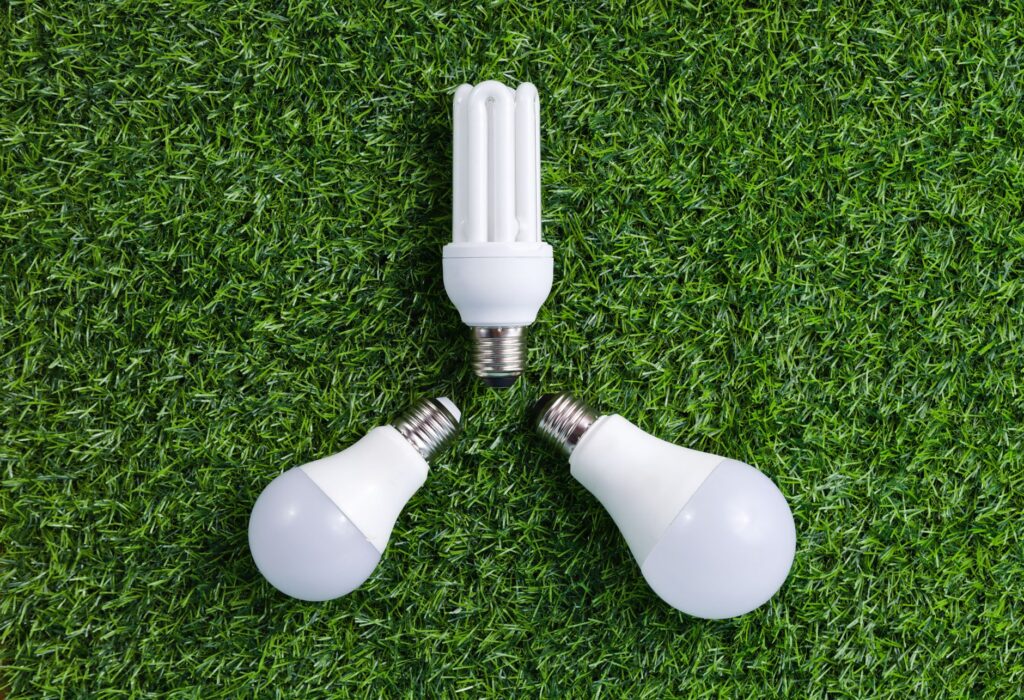
For homeowners in Greenville, MI, the most impactful energy-efficient home upgrades focus on reducing heat transfer and air leakage, which are critical for managing costs during cold Michigan winters and warm summers. These upgrades not only lower utility bills but also improve indoor comfort and the overall value of your property.
Insulation Enhancements
Upgrading your home's insulation is often one of the most cost-effective ways to improve energy efficiency. Proper insulation acts as a barrier, preventing heat from escaping in winter and entering in summer. Key areas to address include the attic, walls, and crawl spaces.
- Attic Insulation Many older homes in the Greenville area may have insufficient attic insulation. Increasing the R-value (a measure of thermal resistance) to recommended levels for Michigan's climate can dramatically reduce heat loss.
- Wall Insulation For homes without adequate wall insulation, options like blown-in cellulose or spray foam can significantly improve thermal performance without extensive demolition.
- Crawl Space Insulation Insulating crawl spaces, including the rim joists and foundation walls, prevents cold air from seeping into your living areas and can reduce moisture issues.
Adequate insulation reduces heating and cooling costs, making it a foundational energy efficiency improvement for any home.
High-Performance Windows and Doors
Windows and doors are common culprits for energy loss, especially in older homes. Upgrading to high-performance models can make a substantial difference. Modern windows feature double or triple-pane glass, low-emissivity (Low-E) coatings, and argon or krypton gas fills between panes to improve thermal resistance.
- Window Replacement Look for ENERGY STAR® certified windows, which are designed to perform well in specific climate zones, including Michigan's. Professional window replacement Greenville MI services ensure proper sealing and installation.
- Door Installation Exterior doors, particularly those that are old, warped, or poorly sealed, can be a major source of drafts. Investing in new, insulated doors with tight-fitting frames and weatherstripping can prevent significant energy loss. A skilled team offering door installation can ensure a perfect fit.
Beyond new installations, ensuring existing windows and doors are properly sealed with caulk and weatherstripping is a simple yet effective step to combat drafts and improve efficiency.
Efficient HVAC Systems and Smart Thermostats
Your heating, ventilation, and air conditioning (HVAC) system is likely the largest energy consumer in your home. Upgrading to a high-efficiency furnace or heat pump can lead to significant savings. Regular maintenance, including filter changes and professional tune-ups, ensures your system runs optimally.
- High-Efficiency Furnaces Modern high-efficiency furnaces convert a greater portion of fuel into usable heat compared to older units, reducing wasted energy during the colder months.
- Heat Pumps Air-source heat pumps provide both heating and cooling, moving heat rather than generating it, making them highly efficient, especially in moderate climates.
- Smart Thermostats These devices learn your schedule and preferences, automatically adjusting temperatures to save energy when you're away or asleep. Many can be controlled remotely via smartphone.
Air Sealing and Ductwork
Often overlooked, air leaks are a significant source of energy waste. Sealing cracks and gaps around your home can prevent drafts and improve comfort. This includes caulking around window and door frames, sealing penetrations in walls and ceilings, and properly weatherstripping.
- Duct Sealing Leaky ductwork in attics, crawl spaces, or basements can lose a substantial amount of conditioned air before it reaches your living spaces. Sealing these leaks with mastic or specialized tape helps ensure conditioned air is delivered efficiently throughout the home.
- Blower Door Test A professional energy audit (discussed below) often includes a blower door test to identify specific air leakage points that might otherwise go unnoticed.
These efforts contribute to a tighter building envelope, reducing the workload on your HVAC system.
Water Heaters
Water heating can account for a significant portion of your home's energy consumption. Upgrading to a more efficient water heater can offer substantial savings.
- Tankless Water Heaters These heat water on demand, eliminating standby energy losses associated with traditional tank heaters.
- Heat Pump Water Heaters These use ambient air to heat water, making them more efficient than conventional electric resistance water heaters.
Roofing and Siding
While not direct energy producers, your home's exterior envelope plays a crucial role in overall efficiency. A well-maintained roof with proper ventilation prevents heat buildup in the attic during summer and ice damming in winter. Consider options like cool roofs for reduced heat absorption.
Similarly, modern siding options not only enhance curb appeal but can also provide an additional layer of insulation. When considering siding replacement Greenville MI cost, factor in the long-term energy savings. For any exterior work, including roofing contractors Greenville MI reviews can help you find experienced professionals who understand local weather challenges, including potential storm damage repair Greenville MI needs, ensuring your home is protected and efficient.
ENERGY STAR® Certified Appliances and LED Lighting
While larger upgrades yield the most significant savings, don't underestimate the cumulative impact of smaller changes. Replacing old appliances with ENERGY STAR® certified models, which meet strict energy efficiency guidelines set by the EPA and U.S. Department of Energy, can reduce electricity consumption. Switching to LED lighting throughout your home drastically cuts electricity use for illumination and has a much longer lifespan than traditional bulbs.
Home Energy Audits: What to Expect in Greenville, MI
A home energy audit is the first critical step toward understanding your home's specific energy inefficiencies. It provides a detailed roadmap of where your home is losing energy and recommends the most effective upgrades. For residents in Greenville, MI, several options exist for obtaining an audit.
The purpose of an energy audit is to identify specific areas of energy waste, pinpointing issues like inadequate insulation, air leaks, inefficient appliances, or poorly performing HVAC systems. This personalized assessment prevents homeowners from making costly upgrades that may not address their biggest energy drains.
What an Energy Audit Involves
- Visual Inspection An auditor will typically conduct a thorough visual inspection of your home's exterior and interior, including the attic, basement, crawl space, and mechanical systems. They look for obvious signs of air leaks, moisture issues, and insulation deficiencies.
- Blower Door Test This test involves sealing off your home and using a powerful fan to depressurize it. The auditor then uses a smoke pencil or infrared camera to detect air leaks around windows, doors, electrical outlets, and other penetrations.
- Infrared Camera Scan An infrared camera can reveal hidden thermal bridges and insulation gaps within walls and ceilings by showing temperature differences on surfaces, making invisible problems visible.
- Combustion Appliance Safety Test Auditors may test combustion appliances like furnaces and water heaters for proper ventilation and carbon monoxide levels to ensure safety and efficiency.
- Detailed Report Following the audit, you'll receive a comprehensive report outlining findings, recommended upgrades, estimated energy savings, and potential return on investment for each recommendation.
Where to Get a Home Energy Audit in Greenville, MI
Local utility companies are often a primary resource. Consumers Energy, for instance, provides programs and resources related to home energy efficiency, including information on how to obtain an audit or connect with certified professionals in their service area. You can also seek out independent, certified home energy auditors who specialize in residential energy assessments. Look for auditors certified by organizations such as the Building Performance Institute (BPI) to ensure they meet industry standards.
Michigan Rebates for Energy-Efficient Home Upgrades
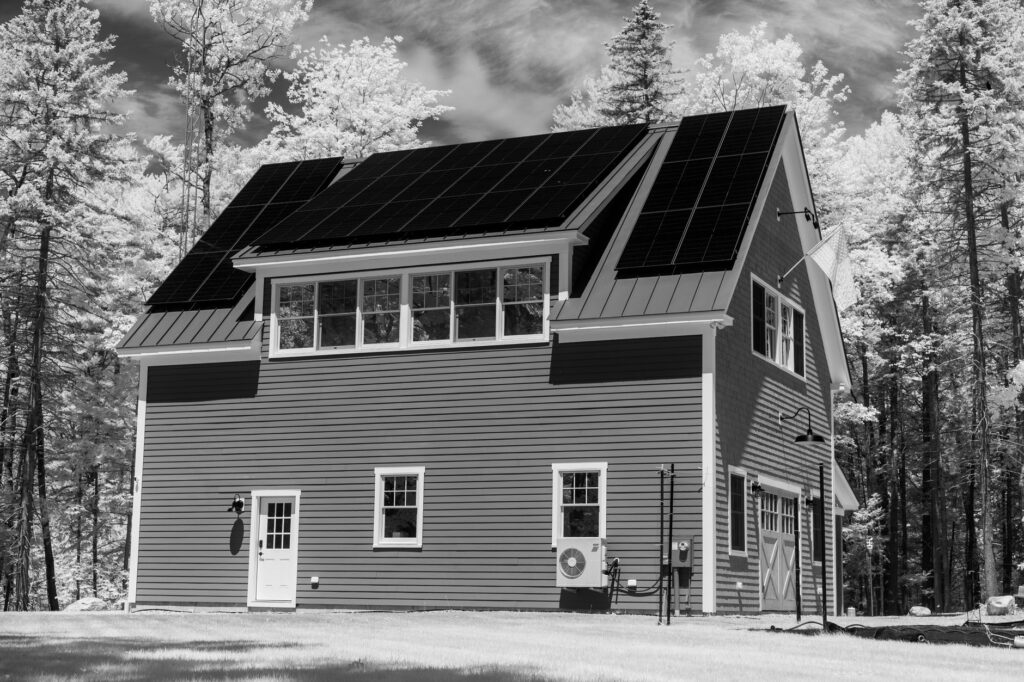
Investing in energy-efficient upgrades can be made more affordable through various federal, state, and local programs designed to encourage energy conservation. Homeowners in Greenville, MI, should explore these opportunities to reduce the upfront cost of their projects.
Federal Incentives
The Inflation Reduction Act offers federal tax credits for homeowners making energy-efficient improvements. These include programs such as the Energy Efficient Home Improvement Credit (25C), which applies to qualifying improvements like insulation, exterior windows and doors, central air conditioners, furnaces, water heaters, and home energy audits, as well as the Residential Clean Energy Credit (25D) for qualified clean energy installations like solar panels, battery storage, and geothermal heat pumps.
It is important to consult with a tax professional or refer to IRS guidelines for specific eligibility requirements and limits.
State of Michigan Programs
Michigan offers various initiatives to support energy efficiency. One notable program is the Michigan Homeowner Assistance Fund (MIHAF), which, while primarily aimed at preventing foreclosures, can also provide assistance for energy-related repairs to maintain housing stability, often for income-eligible homeowners. Additionally, the Michigan Public Service Commission (MPSC) oversees utility energy waste reduction programs, which may lead to rebates or incentives offered by individual utility providers. The Michigan Department of Environment, Great Lakes, and Energy (EGLE) may also participate in or promote grant programs related to energy efficiency and environmental improvements.
Local and Utility Incentives (Greenville/Montcalm County)
Your local utility provider, such as Consumers Energy, is an excellent resource for specific programs available to residents in Greenville and Montcalm County. These often include
- Rebates for Appliances Incentives for purchasing ENERGY STAR® certified appliances like refrigerators, washing machines, and smart thermostats.
- HVAC Rebates Financial incentives for installing high-efficiency furnaces, boilers, heat pumps, and central air conditioners.
- Home Energy Assessments Subsidized or free home energy audits to help identify areas for improvement.
It's crucial for homeowners to directly contact their utility provider or visit their website for the most current information on available rebates and how to apply. Local city or county planning departments in Greenville or Montcalm County may also have information on localized grants or low-interest loan programs for home improvements. Always verify eligibility requirements and application deadlines before starting any project.
Frequently Asked Questions
Average payback period for energy upgrades in Michigan
The payback period for energy-efficient upgrades varies widely depending on the type of upgrade, the existing condition of your home, and current energy costs. Simple upgrades like air sealing and insulation can offer a relatively quick return, while major investments like new windows or HVAC systems might take longer, but provide significant long-term savings and comfort.
Do energy-efficient upgrades increase home value in Greenville, MI?
Yes, energy-efficient upgrades can increase your home's value. Buyers are increasingly looking for homes with lower operating costs and modern, efficient systems. Features like new windows, high-efficiency HVAC, and good insulation are often seen as attractive selling points that justify a higher asking price and can lead to a faster sale.
How long do energy-efficient windows last?
Properly installed energy-efficient windows typically last between 15 and 30 years, with some high-quality models lasting even longer. The lifespan depends on the quality of the materials, the installation method, and how well they are maintained over time.
Is it better to upgrade insulation or windows first?
In many cases, upgrading insulation, particularly in the attic, offers a better return on investment than replacing windows, especially if your current insulation is significantly inadequate. Insulation addresses a larger surface area for heat loss. However, if your windows are very old, single-pane, or significantly damaged, they might be a higher priority due to drafts and structural issues. A home energy audit can help determine the most impactful first step for your specific home.
How JM Construction Group helps with energy upgrades
JM Construction Group specializes in home remodeling and exterior improvement projects that contribute to energy efficiency. This includes professional installation of new windows and doors, siding replacement, concrete work that improves foundations, and comprehensive remodeling projects like kitchens and basements which can incorporate updated insulation and efficient systems.
Exploring Next-Level Energy Efficiency Technologies for Greenville, MI
While foundational upgrades like insulation and high-performance windows offer significant returns, homeowners in Greenville, MI, looking to push their energy savings and home performance even further can explore advanced technologies. Geothermal heating and cooling systems, for instance, tap into the stable underground temperatures to provide highly efficient heating and cooling, reducing reliance on fossil fuels and offering consistent comfort year-round. These systems represent a significant investment but deliver long-term savings and a reduced carbon footprint.
As homes become more airtight through comprehensive air sealing and insulation, maintaining optimal indoor air quality becomes paramount. Heat Recovery Ventilators (HRVs) and Energy Recovery Ventilators (ERVs) are crucial in this context, exchanging stale indoor air with fresh outdoor air while recovering a significant portion of the heat or coolness, preventing energy loss. Additionally, harnessing the sun's power for hot water through solar water heating systems can further cut utility bills, providing an eco-friendly alternative to conventional water heaters. Integrating these with advanced Home Energy Management Systems (HEMS) allows for centralized control and optimization of energy-consuming devices, providing detailed insights and automated adjustments for peak efficiency.
For those aiming for a holistic approach, pursuing Green Building Certifications like LEED for Homes or Passive House standards offers a comprehensive framework. These certifications guide the design and construction or renovation process to achieve superior energy performance, environmental responsibility, and occupant health, ensuring your Greenville, MI, home is not just efficient but also a benchmark for sustainable living.