
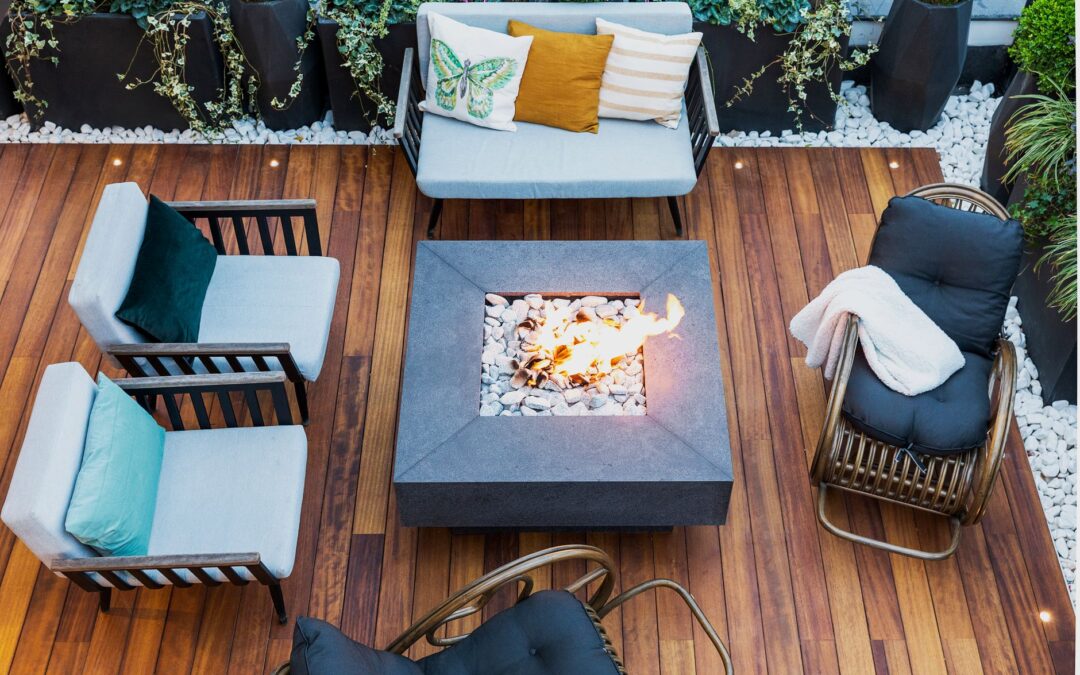
Transforming your outdoor living space with a contemporary aesthetic involves understanding the nuances of modern deck designs for Greenville, MI homes. These designs prioritize sleek aesthetics, functionality, and durability to enhance both property value and lifestyle.
Quick answer: Modern deck designs emphasize clean lines, durable, low-maintenance materials like composite or PVC, and integrated features such as lighting and outdoor kitchens. They are designed for seamless indoor-outdoor living, incorporating multi-level layouts and privacy solutions suitable for Michigan's varied climate.
Key Takeaways
- Modern deck designs feature minimalist aesthetics and promote seamless indoor-outdoor transitions.
- Preferred materials like composite, PVC, and exotic hardwoods offer durability and low maintenance for regional weather.
- Integrated features such as low-voltage lighting, outdoor kitchens, and built-in seating are hallmarks of contemporary decks.
- Deck construction typically requires local building permits and structural plan reviews prior to installation.
- Overall project costs vary depending on chosen materials, site preparation, and architectural complexity.
What Defines Modern Deck Designs?
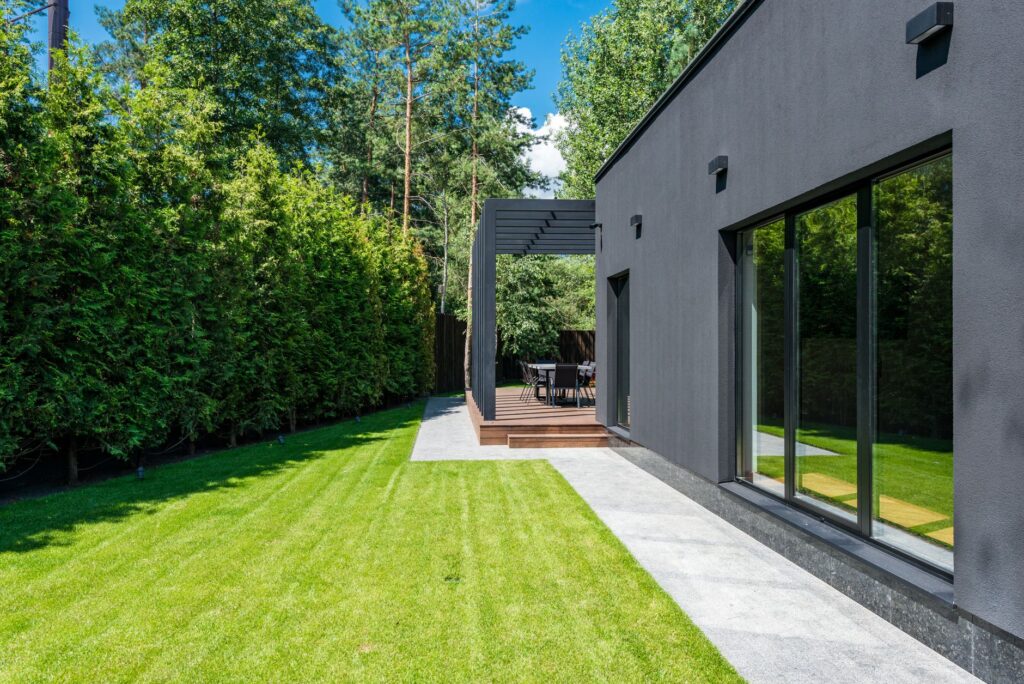
Modern deck designs are characterized by their commitment to clean lines, minimalist aesthetics, and functional elegance. These outdoor spaces serve as natural extensions of the home, fostering seamless transitions between indoor and outdoor living areas. Homeowners often choose personalized deck layouts that incorporate bold or neutral color palettes along with thoughtful customization.
Key elements often include geometric shapes, open layouts, and a deliberate absence of ornate detailing. Multi-level deck layouts are popular for adding visual interest and defining distinct zones for dining, lounging, and entertaining. Attention to privacy solutions, such as integrated horizontal slat screens or strategic landscaping, also plays a significant role in creating a secluded modern outdoor retreat.
What Materials Are Best for Modern Decks in Michigan's Climate?
Choosing the right materials is critical given regional weather conditions, including freeze-thaw cycles, winter snowfall, and summer humidity. Durable, weather-resistant options with proper drainage and structural framing are essential.
- Composite Decking: Composite materials are widely used for their low maintenance, resistance to fading and stains, and incorporation of recycled materials. They offer the visual warmth of natural wood while resisting moisture damage and rot.
- PVC Decking: Cellular PVC decking is lightweight and highly resistant to moisture, scratches, and fading, making it well-suited for exposed areas and wet environments.
- Exotic Hardwoods: Hardwoods such as Ipe and Cumaru are dense and naturally resistant to decay and insects. While requiring periodic oiling to maintain their natural color, their structural strength and appearance remain exceptional.
- Aluminum Decking: Offering an industrial, sleek aesthetic, aluminum decking is durable, rust-resistant, non-combustible, and requires minimal maintenance over its lifespan.
- Bamboo Composite: An eco-friendly alternative, bamboo composite provides a contemporary look with solid durability and dimensional stability.
Here is an overview of popular modern decking materials and their primary characteristics:
| Material Type | Key Benefits | Maintenance Level |
|---|---|---|
| Composite Decking | Low maintenance, fade and stain resistance, recycled content | Low |
| PVC Decking | Moisture, scratch, and mold resistance; lightweight | Very Low |
| Exotic Hardwoods | Natural density, structural strength, distinct grain patterns | Moderate |
| Aluminum Decking | Rust and UV resistance, non-combustible, sleek finish | Low |
Current Trends in Modern Deck Features
Current trends focus on creating fully integrated outdoor living areas that offer comfort, convenience, and aesthetic appeal.
- Modern Railing Options: Sleek metal railings (aluminum or steel), minimalist glass panels, and horizontal cable railings maintain open sightlines and emphasize contemporary architectural lines.
- Integrated LED Lighting: Low-voltage LED lighting can be built directly into stair risers, posts, and perimeter boards to increase safety and ambiance after sunset.
- Outdoor Kitchens: Built-in grilling stations, prep sinks, and durable countertop spaces make outdoor dining and entertaining practical.
- Fire Features: Integrated fire tables or modern linear fireplaces provide warmth and serve as central gathering points during cooler evenings.
- Built-in Seating and Storage: Custom benches and flush storage compartments preserve clean lines while eliminating the clutter of bulky freestanding furniture.
- Pergolas and Covered Structures: Architectural pergolas and partial roof covers provide sun protection and help define outdoor living rooms.
Understanding Modern Deck Costs and Budget Factors
The cost to design and build a modern deck varies depending on total square footage, elevation, material selections, and custom features.
Key factors that influence overall project pricing include:
- Material Selection: Standard composite, capped PVC, premium hardwoods, and aluminum each carry distinct price points for decking boards and matching fasteners.
- Design Complexity: Multi-level platforms, curved deck boards, integrated stairs, and elevated framing require additional engineering and craftsmanship.
- Railing and Add-ons: Stainless steel cable systems, glass panels, integrated lighting systems, and custom shade structures contribute significantly to total investment.
- Site Preparation: Grading, demolition of existing structures, and soil conditions for footings affect preliminary site work requirements.
Benefits of a Modern Deck
A contemporary deck design provides functional outdoor space tailored to modern living:
- Enhanced Outdoor Living: Purpose-built zones create comfortable spaces for everyday dining, relaxing, and hosting guests.
- Low Maintenance Requirements: Modern manufactured materials resist rotting, splintering, and insect damage, eliminating the need for regular sanding and staining.
- Architectural Continuity: Clean structural profiles and complementary color schemes create a smooth visual transition from interior living spaces to the yard.
- Long-Term Durability: Engineered framing hardware and weather-resilient surface materials stand up well to seasonal temperature shifts and precipitation.
Building Permits and Local Regulations
Permits are generally required for new deck construction, structural replacements, and elevated platforms. These regulations verify that footings, structural framing, guardrails, and stair configurations meet safety and building code standards.
The permitting process typically involves submitting scaled construction plans and structural details to the local municipal building department before work begins. Working with a qualified builder helps ensure the proposed structure meets local frost-depth requirements, load-bearing standards, and zoning setbacks.
Choosing a Builder for Modern Deck Projects
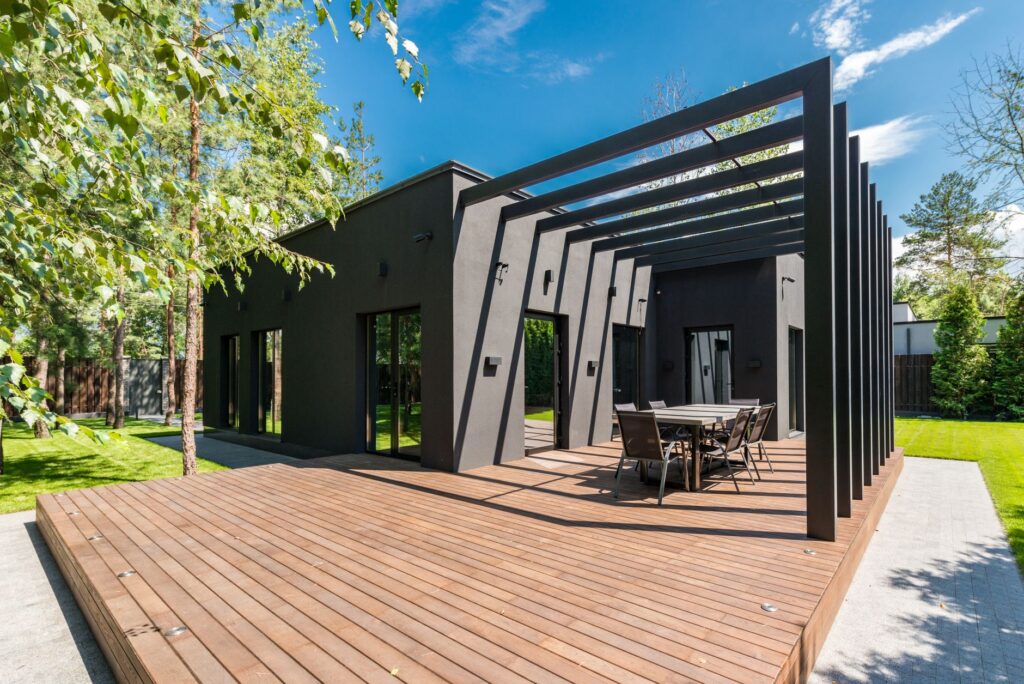
Selecting the right contractor is essential for achieving a clean, durable result. Look for a team experienced with modern materials such as composite, PVC, and cable railing systems.
Prioritize builders who provide clear design documentation, detailed scopes of work, and assistance with the local permitting process. Proper installation techniques, including hidden fastener systems and appropriate joist spacing, are critical to ensuring the longevity and appearance of modern decking materials.